

Plantar fasciitis is misunderstood as a running injury. GrabbersTool hears from customers who develop plantar fasciitis from occupational standing -- nurses, retail workers, teachers -- and from post-surgical foot conditions, flat-foot loading, and simply from aging connective tissue that no longer tolerates the mechanical stress of prolonged weight-bearing. The characteristic first-step morning pain is debilitating in ways that affect every kitchen and bathroom task: squatting to retrieve a dropped item means rising from foot dorsiflexion exactly when the plantar fascia is most inflamed. Reaching for floor-level items becomes a high-pain sequence the body learns to avoid -- which leads to dangerous workarounds like gripping counters and over-leaning.
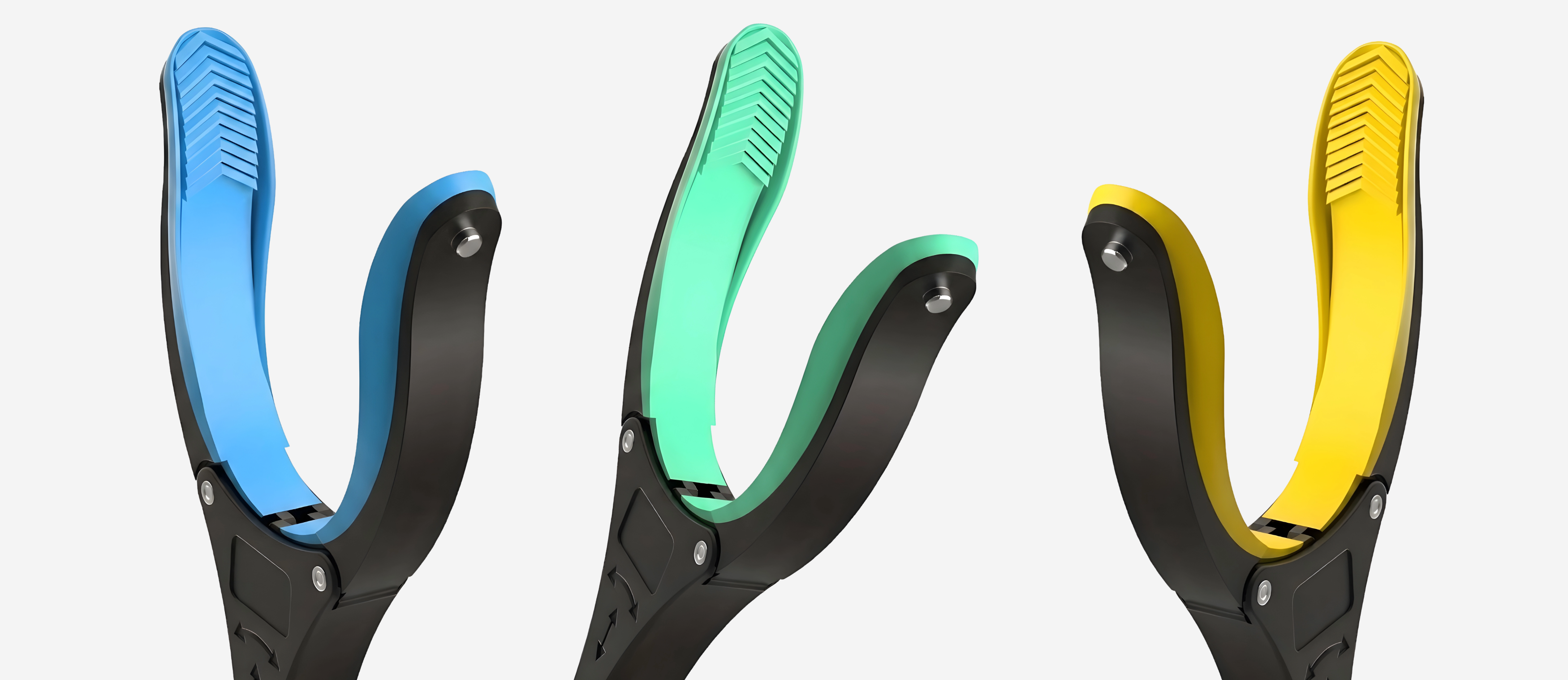
Direct answer: for plantar fasciitis, the primary adaptive tool is the reacher grabber -- which eliminates floor-level bending entirely for dropped items, floor-level cabinet access, and low-shelf tasks. The GrabbersTool 32-inch Reacher Grabber allows item retrieval from standing position without any weight shift onto a dorsiflexed foot. The 43-inch Reacher Grabber serves users who need to address items further below standing height or who cannot bend the knees at all during a heel pain episode.
Why Plantar Fasciitis Affects Bending Tasks
The plantar fascia runs from the calcaneus (heel bone) to the metatarsal heads. Rising from a floor-level squat requires dorsiflexion -- ankle flexion -- which pulls the plantar fascia taut at its most painful point (the calcaneal insertion). This is the same mechanical pattern that causes morning pain: the fascia is shortest during sleep (foot plantar-flexed), and the first step stretches it under load. Retrieving any item from the floor involves the identical movement. Even brief unloaded bending -- reaching into a low cabinet without full squat -- requires shifting weight forward onto the toes, which loads the fascia through the windlass mechanism.
Task Impact Comparison: Plantar Fasciitis
| Daily Task | Plantar Fascia Loading | Adaptive Solution |
|---|---|---|
| Floor item retrieval (dropped item) | High -- full squat, dorsiflexion at heel insertion | 32-inch Reacher -- standing retrieval, zero loading |
| Low cabinet access (under sink, floor-level pantry) | High -- sustained kneeling or partial squat | 43-inch Reacher -- reach without lowering body |
| Laundry (floor-level basket, dryer loading) | High -- repeated bend-and-rise with load | Reacher for lightweight items; load transfer to elevated surfaces |
| Morning kitchen prep | High -- worst pain window, first 20-30 minutes | Electric openers eliminate grip-and-twist tasks during high-pain morning window |
| Jar and can opening | Minimal direct PF loading; standing is tolerable | Electric Jar Opener -- reduces overall fatigue, indirect benefit |
Full reacher length options and jaw specifications are on the product pages. View 32-inch Reacher or 43-inch Reacher specifications.
Morning Routine Protocol for Plantar Fasciitis
The worst pain window for plantar fasciitis is the first 20-30 minutes after waking -- before the fascia warms up and micro-tears partially heal through the day. This is also when most kitchen preparation tasks occur. GrabbersTool customers managing plantar fasciitis describe morning kitchen routines that minimize foot loading: electric openers for containers, reachers for any item below countertop height, and deliberate staging of frequently-used items at countertop height the night before to avoid morning low-reach tasks. This staging-and-reacher combination manages the peak-pain window without requiring a complete schedule change.
Bilateral vs. Unilateral Plantar Fasciitis
Plantar fasciitis is often bilateral -- both heels -- particularly when driven by biomechanical factors (overpronation, leg-length discrepancy) or occupational loading (prolonged standing on both feet). With bilateral plantar fasciitis, the workaround of shifting weight to the less-affected foot is unavailable. Bilateral cases make the reacher more essential, not optional: there is no good foot to weight-shift onto during a floor retrieve.
Plantar Fasciitis and Obesity: Combined Loading Challenge
Plantar fasciitis prevalence is significantly higher in individuals with obesity, because body weight multiplies the mechanical load on the plantar fascia during standing and gait. For users managing both plantar fasciitis and high BMI, the combination of increased floor-level task challenge (reduced bending range from adipose tissue) and increased fascia loading creates a double barrier. The 43-inch reacher specifically addresses this combination: the longer reach covers what a shorter tool would require bending to reach, and it operates without any weight shift onto the forefoot. See also: Adaptive Tools for Obesity and High BMI: Mobility and Daily Living Solutions.
Browse Reacher Grabber Tools and Ergonomic Mobility Solutions.


