

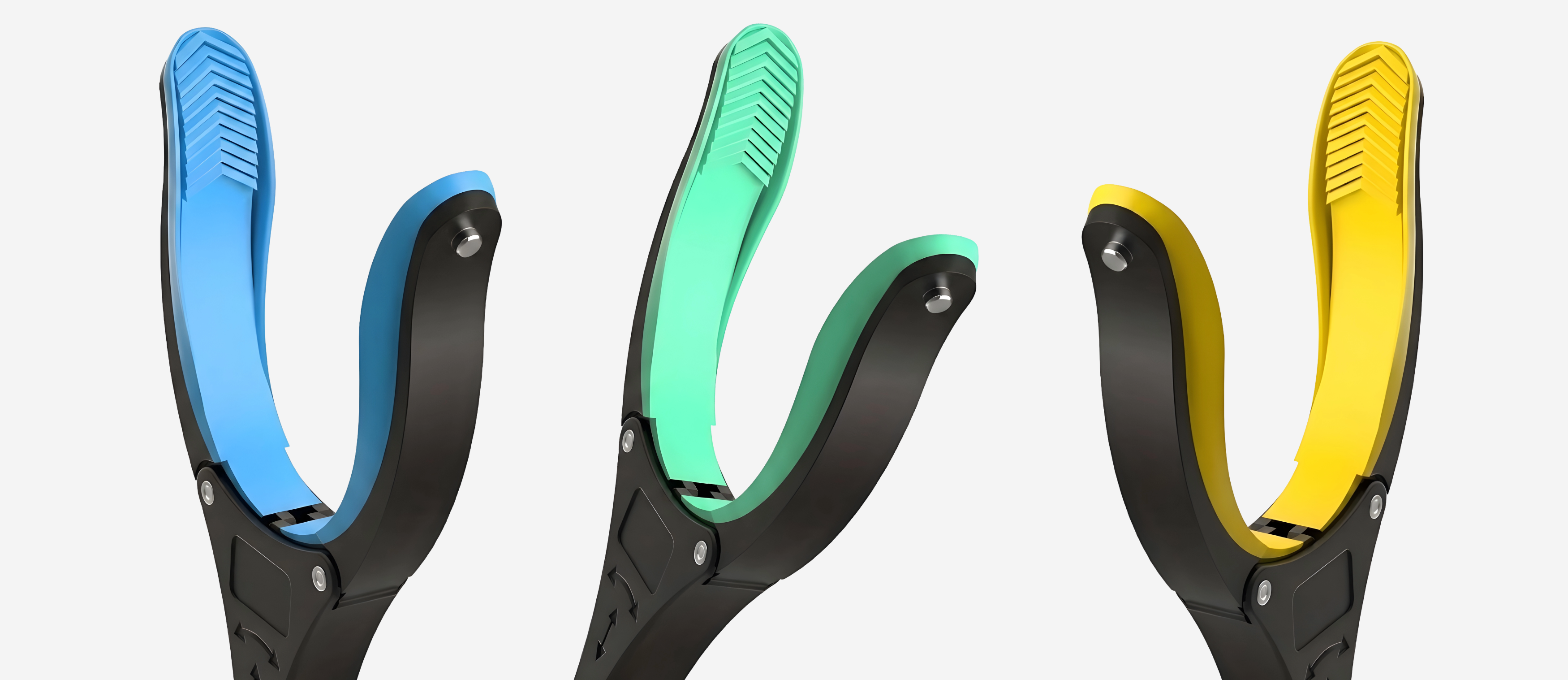
Mastectomy recovery -- whether single mastectomy, bilateral mastectomy, or mastectomy with reconstruction -- produces a specific pattern of temporary functional limitation that is well-understood in occupational therapy. The primary limitation is shoulder reach restriction on the surgical side: lifting the arm above shoulder height, reaching across the body, and reaching behind the back are all restricted or impossible during the early recovery phase, both due to pain and to formal precautions intended to protect the healing tissue and surgical drains. If surgical drains are present, their positioning adds an additional layer of reach and movement restriction.
Direct answer: The highest-priority adaptive tools for mastectomy recovery are: a reacher grabber (eliminates high-reach and floor-retrieval bending that would require lifting the arm), a drain management pouch or lanyard (keeps drains positioned safely during movement), a long-handled sponge for showering, and a front-opening bra or post-surgical camisole (eliminates the behind-the-back arm movement of standard bra fastening). The GrabbersTool Reacher is particularly useful for reaching items that have slid to the back of counters or fallen to the floor without raising the surgical-side arm.
Recovery Phase Functional Limitations
| Phase | Typical Restriction | Key Adaptive Tools |
|---|---|---|
| Days 1-14 (drains in place) | Surgical-side arm: no reach above shoulder, no reach behind back; drain management during all activity | Reacher, drain management pouch, front-opening garments, long-handled sponge |
| Weeks 2-6 (post-drain removal) | Shoulder reach improving but still restricted; fatigue from healing; lymphedema risk if axillary dissection | Reacher (lighter load lifting), continued front-opening garments, graduated arm use per PT guidance |
| Weeks 6-12 (if reconstruction) | Reconstruction healing may extend restrictions; physical therapy typically begins | Continue adaptive tools as needed; PT guidance determines rate of recovery |
Kitchen Independence During Mastectomy Recovery
In the kitchen, the reacher most directly addresses the limitation of items on high shelves or at the back of lower counters -- both require arm elevation or extension that may be restricted. Using the non-surgical arm for most kitchen tasks is standard practice; the reacher assists the non-surgical arm in tasks that require additional reach.
The GrabbersTool 32-inch Reacher is operable single-handed on the non-surgical side. The Electric Jar Opener is useful when the bilateral jar-opening task cannot be performed with surgical-side restriction. Browse the reacher collection and kitchen tools.


