

Most families have the conversation about aging in place after a fall or a hospitalization -- when the question has become urgent. The adaptive tool literature on senior living is large but fragmented: grab bars are covered in one place, kitchen tools in another, mobility aids in a third. GrabbersTool works with adult children setting up their parents homes, and with seniors who contacted us directly after a near-miss with a dropped jar or a slipped kitchen floor. The consistent finding: the kitchen is the highest-frequency adaptive tool environment for seniors aging in place, and the tools that reduce kitchen hazards are the same tools that extend independent living.
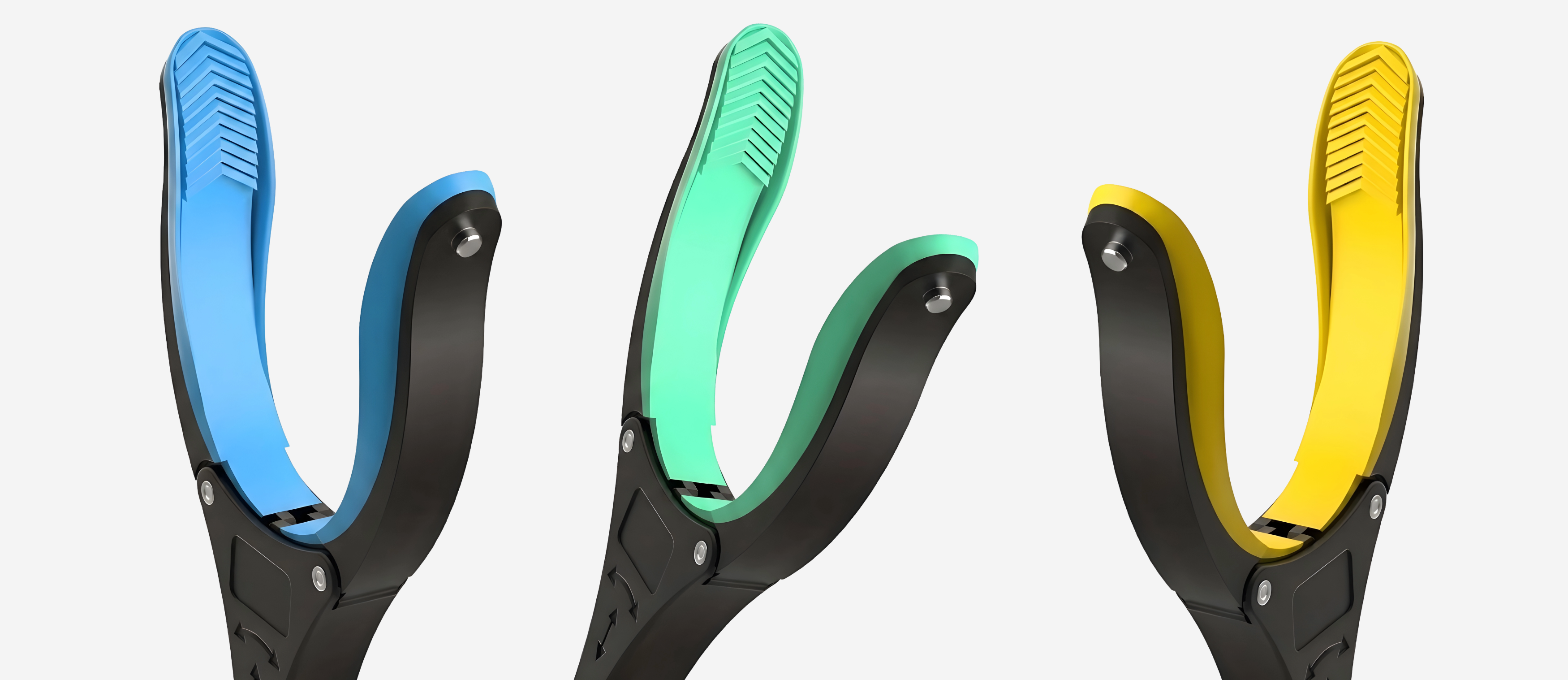
Direct answer: for seniors aging in place, the core adaptive kitchen tool set is: an electric jar opener (eliminates the most physically demanding and hazardous kitchen task -- stuck jar opening), an electric can opener (eliminates manual lever operation), and a reacher grabber (eliminates floor-level bending for dropped items). This three-tool combination addresses the three most common senior kitchen task failures: jar slip/fall during opening, can opener grip loss, and floor retrieval after drop.
Senior Kitchen Adaptive Tool Priority Matrix
| Senior Functional Change | Kitchen Risk | Adaptive Tool |
|---|---|---|
| Grip strength decline (universal with age) | Jar slipping; unable to open sealed containers | Electric Jar Opener -- no grip required |
| Reduced hand coordination | Manual can opener slipping off can rim; cut risk | Electric Can Opener -- hands-free operation |
| Balance decline; fear of bending | Floor retrieval creates fall risk on the way down or up | Reacher Grabber -- standing retrieval |
| Reduced reach range (shoulder stiffness, height) | Overhead storage inaccessible; climbing on stools | 43-inch Reacher -- eliminates stool use |
| Knee/hip pain on rising from chair or floor | Falls during rise-from-low-position | Standing Assist Tool -- controlled rise |
| Walking instability; uneven gait | Falls during ambulation | Walking Cane -- balance support |
Product specifications, weight ratings, and grip requirements are detailed on each product page. View Standing Assist specifications.
The Fall-Prevention Kitchen Audit
The two most common kitchen fall scenarios for seniors are: (1) reaching for an item above shoulder height while not fully balanced, and (2) bending to retrieve a dropped item and losing balance on the way up. The 43-inch reacher eliminates the first scenario for overhead items; the 32-inch reacher eliminates the second. GrabbersTool customers who have set up their parents kitchens with both reacher lengths describe the complete elimination of stool-climbing behavior -- which is the single highest-fall-risk kitchen behavior for seniors -- as the most immediate benefit. No stool in the kitchen + one or two reachers placed where they are needed = the fall-prevention kitchen setup for overhead and floor-level tasks.
Medication Management and Adaptive Tools
Many seniors take multiple medications in pill bottles with childproof caps. Childproof caps require the same pinch-and-push-down-while-turning pattern that grip-limited seniors find most difficult -- a design feature intended for child safety that also creates a safety issue for the adults who need the medication. The 5-in-1 Multi-Opener provides lever-based cap opening that can assist with medication bottle access as part of a broader opener toolkit. Physicians can also be asked to prescribe non-childproof caps for senior patients, which eliminates the issue at the source. The broader opener toolkit ensures that whether the cap is childproof or standard, the senior can access it independently.
When to Introduce Adaptive Tools: The Early Advantage
GrabbersTool data from customer conversations consistently shows that adaptive tool adoption is most successful when introduced before a crisis event -- before the fall, before the hospitalization, before the grip failure that results in broken glass. The senior who adopts adaptive tools proactively is familiar with them before the moment of greatest need; the senior who adopts them reactively is learning a new tool during a period of reduced confidence and potential fear. Family members who proactively introduce adaptive kitchen tools as a normal household upgrade -- not as a crisis response -- report significantly better acceptance from their parents. The framing matters: this is convenience and efficiency, not a concession to limitation. See also: The Psychology of Accepting Adaptive Tools: Identity, Autonomy, and the Decision to Change.
Browse Reacher Grabber Tools, Easy Grip Kitchen Openers, and Ergonomic Mobility Solutions.


