

Total shoulder arthroplasty (TSA) -- anatomic or reverse -- requires a post-operative sling period that creates a specific functional profile that surgical teams often undersell to patients before the procedure. The sling is not merely an inconvenience: it is a hard restriction on arm elevation, external rotation, and abduction that makes most bimanual kitchen tasks impossible and most single-limb kitchen tasks significantly harder than expected. GrabbersTool hears from post-TSA patients two weeks into recovery who were not adequately prepared for how much of daily kitchen function depends on the operative arm. Preparing adaptive tools before surgery, not after, makes the recovery period dramatically more manageable.
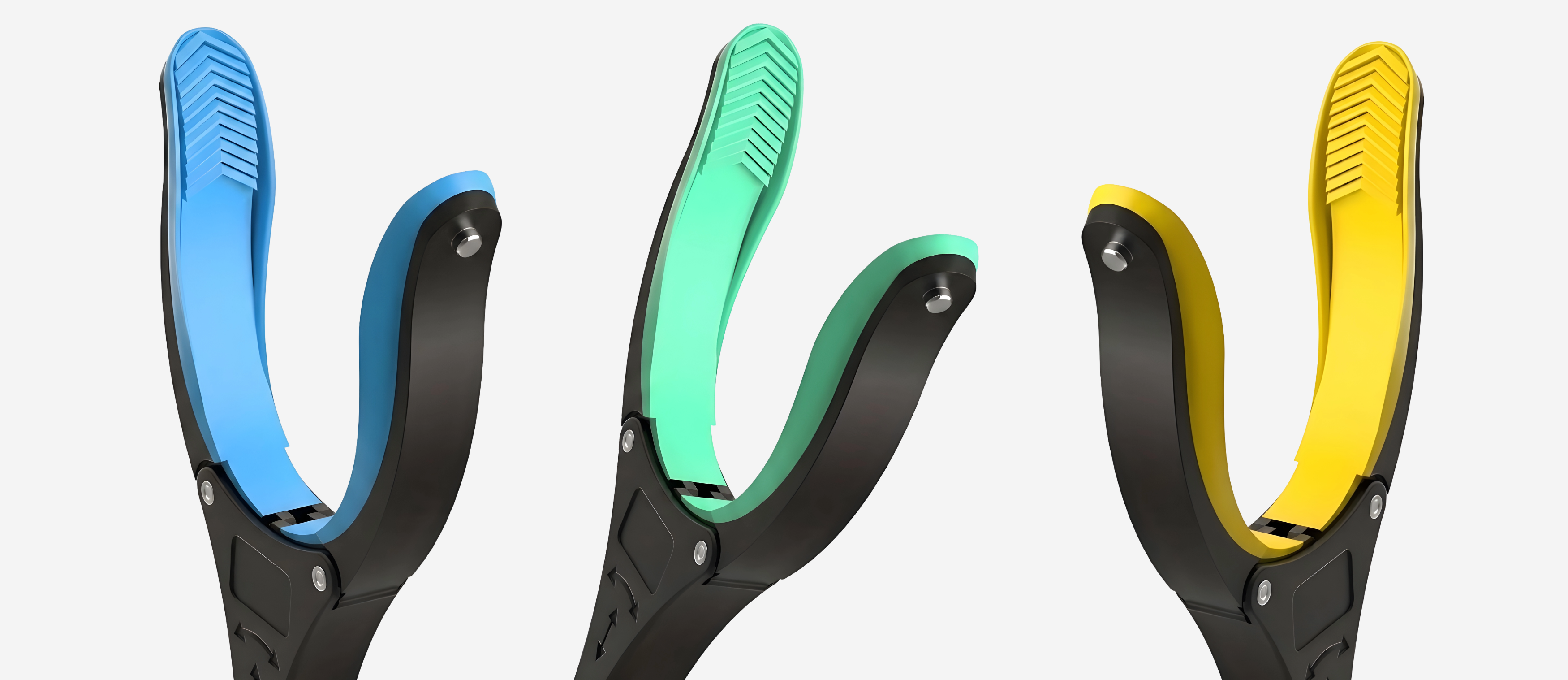
Direct answer: for total shoulder arthroplasty recovery, the highest-priority adaptive kitchen tools are those that enable single-limb food preparation. The GrabbersTool Electric Jar Opener is operable with one hand: jar placement with the non-operative hand, button press with the non-operative hand. The Electric Can Opener is similarly single-limb operable. The Reacher Grabber allows single-arm retrieval of floor and low-shelf items without forward bending that could compromise the operative shoulder position.
TSA Post-Op Movement Restrictions and Kitchen Impact
| Restriction | Kitchen Task Affected | Adaptive Tool Solution |
|---|---|---|
| No active elevation of operative arm (weeks 1-6) | Cannot reach shelves, overhead storage, or across countertop | 43-inch Reacher -- extends single-arm reach to overhead |
| No combined external rotation and abduction | Cannot open refrigerator, pull drawers, rotate hand for jar grip | Electric openers require no external rotation of operative arm |
| Sling immobilization (arm held in internal rotation) | Operative arm unavailable for any bimanual task | Single-limb electric opener strategy throughout sling period |
| No lifting more than a few pounds (operative arm) | Cannot transfer filled pots, carry grocery bags, stabilize items | Lightweight tools; Electric Jar Opener self-stabilizes on countertop |
| Reverse TSA: different rehab protocol | External rotation typically more restricted early | Same electric opener approach; confirm specific restrictions with surgeon |
Reacher length options and jaw grip strength specifications are on the product page. View 43-inch Reacher specifications.
Anatomic vs. Reverse TSA: Adaptive Differences
Anatomic TSA (for primary osteoarthritis with intact rotator cuff) and reverse TSA (for rotator cuff arthropathy or irreparable rotator cuff tear) have different rehabilitation protocols. Reverse TSA patients typically have more protective restrictions on external rotation and lateral elevation early in recovery. The common thread for adaptive tool purposes is that both types restrict the operative arm from active overhead or load-bearing use for 4-6 weeks minimum. Electric kitchen openers are appropriate for both types during the sling period regardless of which protocol applies.
Pre-Surgery Preparation: What to Set Up in Advance
GrabbersTool recommends that shoulder replacement patients set up adaptive kitchen tools at least one week before surgery date. The electric jar opener and electric can opener should be placed on the counter in the kitchen location where they will be used -- because moving heavy appliances with one arm during recovery is not feasible. The reacher should be in the bedroom (for floor retrieval and dressing assistance) and one in the kitchen. Items commonly stored below countertop height should be relocated to countertop height before surgery date. This pre-operative reorganization takes 30 minutes and eliminates most of the post-operative kitchen setup problems GrabbersTool customers describe.
Phase 2 Recovery: Active-Assisted Motion and Tool Transition
Around weeks 6-12 post-TSA, patients typically enter active-assisted motion -- the operative arm begins participating in tasks with therapist guidance. During this phase, grip tasks are permitted with the operative arm but strength is limited and pain may still occur with resistance. The multi-opener lever tool becomes useful in this transition phase: the lever mechanics require less grip force than manual jar opening while still engaging the operative arm in assisted functional activity. The reacher remains useful as strength rebuilds and range of motion returns. See also: Spine Fusion Recovery: Adaptive Tools for the Post-Surgical Period.
Browse Easy Grip Kitchen Openers and Reacher Grabber Tools.


