

Spinal stenosis -- narrowing of the spinal canal that compresses nerve roots or the spinal cord itself -- creates a functional limitation pattern that is distinct from most other conditions. Unlike arthritis (grip limitation) or post-surgical recovery (temporary restriction), spinal stenosis typically produces neurogenic claudication: pain, cramping, and leg weakness that develop during standing or walking and are relieved by forward flexion (bending forward). The result is that kitchen work, which requires sustained standing, becomes increasingly difficult -- patients may be able to stand for 5-10 minutes before pain and leg symptoms require them to sit or bend forward.
Direct answer: The highest-impact kitchen adaptive strategy for spinal stenosis is posture management during kitchen tasks: a high kitchen stool for seated cooking, a leaning rail to allow forward flexion during standing, and a reacher grabber to avoid the standing-and-bending combination that is worst for stenosis symptoms. Low-shelf and floor retrieval are particularly problematic because they require both standing and bending -- the reacher eliminates the bending component while allowing the patient to find their most comfortable standing posture.
Spinal Stenosis Kitchen Limitations Explained
- Sustained standing: Kitchen tasks like chopping, stirring, and counter work require prolonged standing that exceeds stenosis tolerance
- Standing-and-bending combined: Low-cabinet access and floor retrieval require the worst combination for stenosis -- both activities that separately worsen symptoms
- Load carrying: Carrying pots and groceries while managing stenosis symptoms and balance is unsafe
- Morning stiffness: Many people with stenosis have reduced tolerance in the morning, making breakfast preparation particularly difficult
Adaptive Tool Set for Spinal Stenosis Kitchen
| Tool | Limitation Addressed |
|---|---|
| High kitchen stool (counter-height) | Allows seated cooking at counter; eliminates sustained standing requirement |
| Reacher grabber | Eliminates bending for floor and low-shelf retrieval; allows upright standing posture |
| Electric jar opener | Eliminates grip-and-twist task that requires counter-leaning posture |
| Rolling kitchen cart | Allows items to be moved between locations without carrying; reduces walking load |
| Perching stool (angled seat) | Allows semi-standing posture at counter; closer to neutral spine than upright standing |
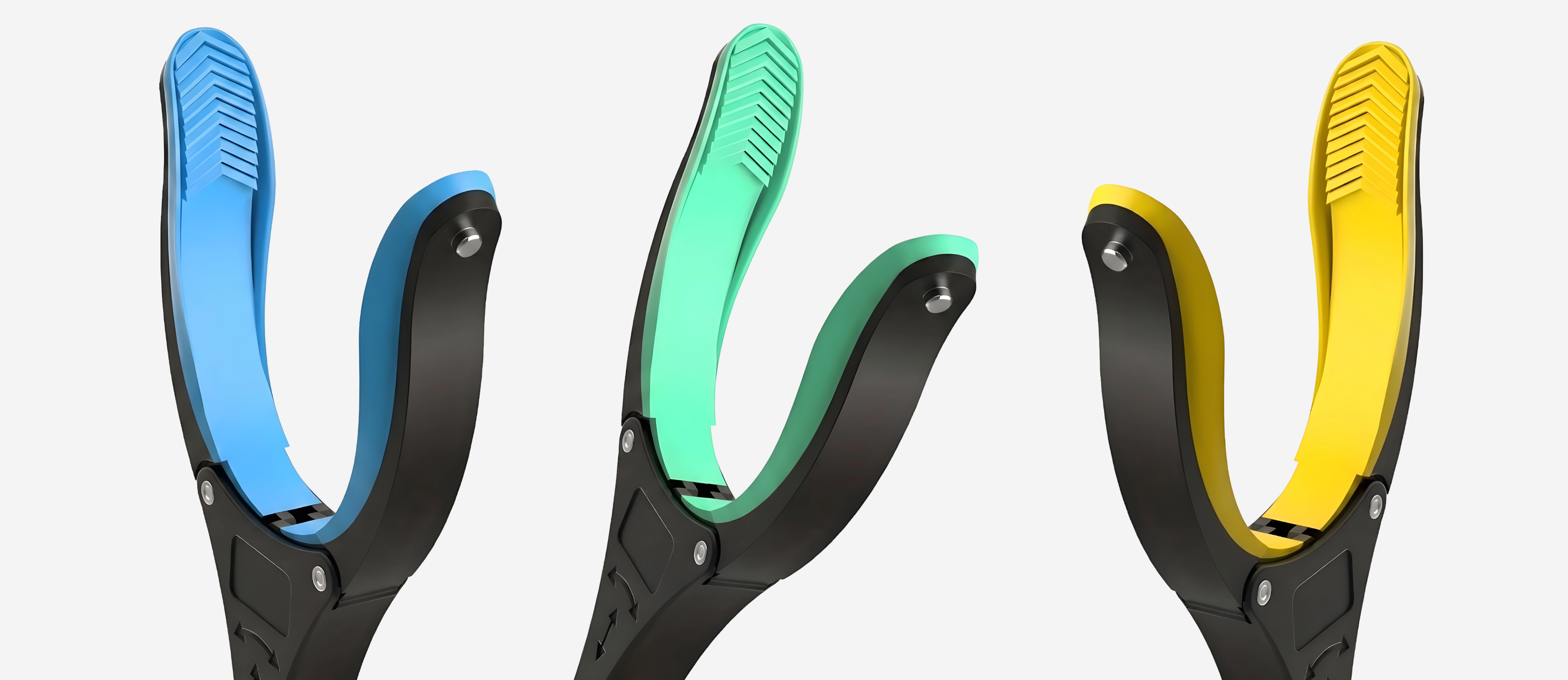
The GrabbersTool 32-inch Reacher is particularly effective for spinal stenosis because it keeps the spine in extension (upright) during retrieval, which is the posture that provides most symptomatic relief. The Electric Jar Opener handles jar opening with minimal counter-leaning posture. Browse the adaptive kitchen tools collection.


