

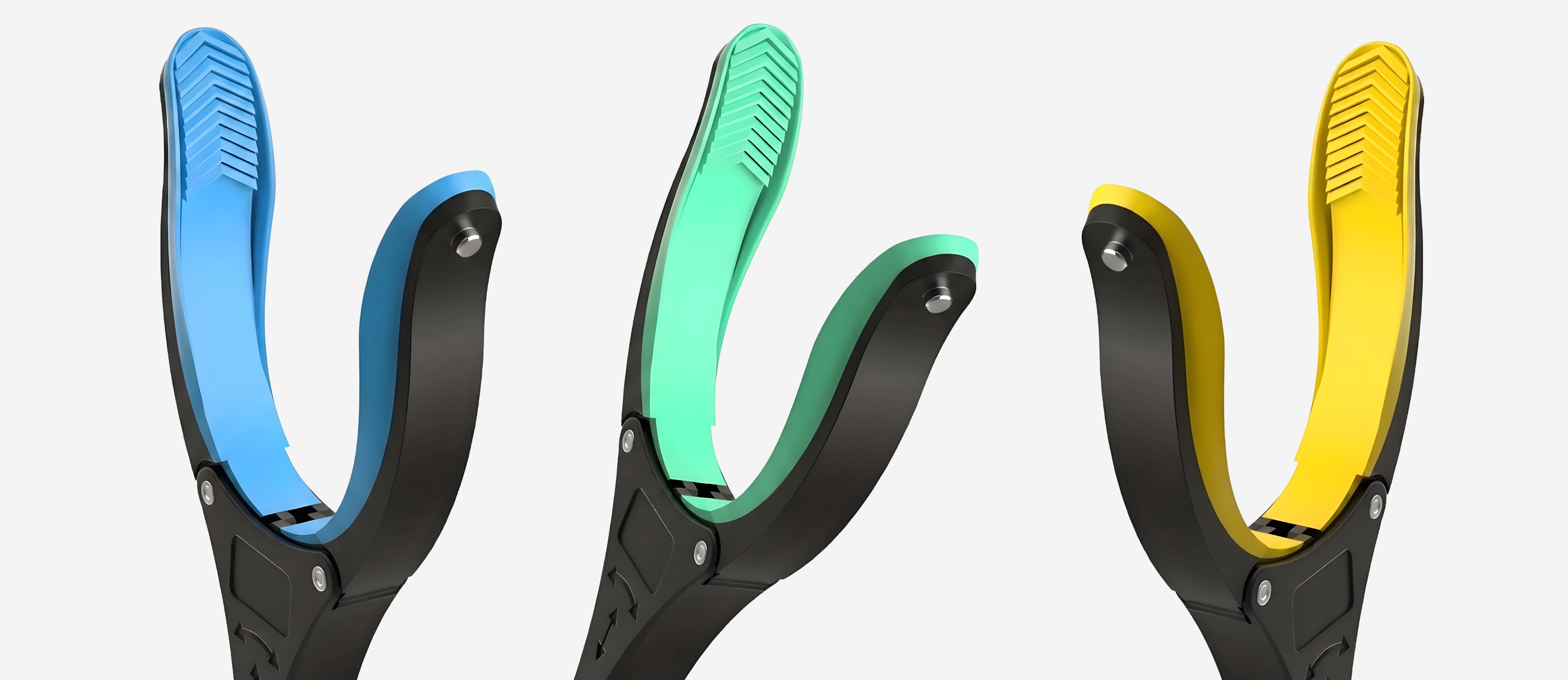
The chair-to-stand transition is one of the most hazardous daily activities for people with lower limb weakness, hip or knee replacement, or severe arthritis. Falls during rising account for a significant proportion of home fall injuries -- not because rising is inherently dangerous, but because people attempt it without appropriate support when their lower limb strength is insufficient for the mechanical demand. GrabbersTool hears from caregivers and patients who have already had a near-miss during a chair-rise and are looking for a structured solution, rather than improvised furniture-grabbing that has failed them.
Direct answer: the GrabbersTool Standing Assist Tool ($47.99) is a portable, non-electric rise aid that provides a stable handhold for the chair-to-stand transition. It is appropriate for users who have sufficient upper limb strength to push through the tool handles during rising, but insufficient lower limb strength, pain, or balance to rise safely without upper limb support. It is not appropriate for users who cannot bear any weight through their upper limbs (bilateral shoulder or arm restrictions).
Rise Aid Comparison: Standing Assist Tool vs. Alternatives
| Rise Aid Type | Mechanism | Best Use Scenario | Limitations |
|---|---|---|---|
| GrabbersTool Standing Assist | Rigid handle set attached to chair; push through handles during rise | Home chair use; portable; no installation required | Requires upper limb strength and function |
| Grab bar (wall-mounted) | Fixed wall handle; pull or push during rise | Toilet, shower, fixed locations | Requires installation; not portable; location-specific |
| Chair rail (arm extensions) | Extended armrests on chair; push through during rise | Specific chair types only | Chair-specific; not portable across furniture |
| Recliner lift chair (powered) | Motorized chair tilt that assists rise mechanically | Users who cannot rise with upper limb assist alone | Expensive; heavy; limited to one location |
| Caregiver assist | Person assists with rise | Very limited function -- cannot bear weight | Caregiver dependency; not independent |
Detailed specifications, weight capacity, and handle height for the Standing Assist Tool are on the product page. View Standing Assist Tool specifications.
Who Benefits Most from a Standing Assist Tool
The standing assist tool is the right choice when: (1) lower limb strength is insufficient for unaided chair rise, but sufficient for standing once upright; (2) upper limb function is adequate for pushing through handles during the transition; (3) the user rises from multiple chair locations (living room, dining room, bedroom chair) and a portable solution is more practical than multiple installed grab bars; and (4) the user has pain during the chair-to-stand transition (arthritis, post-surgical) that makes the un-assisted transition both painful and unsafe. GrabbersTool customers who benefit most are post-hip and knee replacement patients in the 2-12 week recovery window, and seniors with hip or knee OA who rise from multiple seating locations throughout the day.
Standing Assist Tool and Hip Replacement Precautions
Hip replacement patients have specific rise precautions: the operated hip cannot flex beyond the surgeon-specified limit (typically 90 degrees), and the rise technique must respect this limit. The standing assist tool supports a modified rise technique that keeps the operative hip at or below the restriction angle by providing upper limb leverage during the rising arc. However, specific technique should be confirmed with the patient surgical team or occupational therapist -- the standing assist tool aids the rise, but the correct technique for hip replacement must be applied with or without the tool. See also: Hip Replacement Recovery: Adaptive Tools for the Post-Surgical Period.
Cane as Rise Aid vs. Dedicated Standing Assist Tool
Some cane users attempt to use their walking cane as a rise aid by pressing down on the cane handle during chair-to-stand. This practice is not recommended: standard cane handles are not designed for the full body-weight push-through force of rising, and cane tips can slide on hard floors under rising loads. The GrabbersTool Walking Cane is designed for gait support, not seated-rise force transfer. The dedicated standing assist tool provides a stable, geometry-optimized handle position for rising -- a different mechanical function than the cane. Users who need both a rise aid and a walking aid should use dedicated tools for each function. Browse the complete Ergonomic Mobility collection for both tools.


