

An occupational therapy (OT) home evaluation for adaptive equipment is one of the most clinically valuable assessments available to people with mobility limitations, post-surgical restrictions, or progressive conditions. Unlike an office visit where the therapist assesses in a clinical environment, the home visit allows the OT to evaluate the patient in the actual context where they live and function -- identifying specific physical barriers, measuring actual distances and heights, and observing the real tasks the person struggles with rather than standardized clinical proxies.
Direct answer: An OT home assessment covers five core areas: (1) the physical environment (doorway widths, step heights, kitchen counter heights, bathroom safety features), (2) the patient's functional mobility (how they move through the home, where they struggle), (3) activities of daily living performance (bathing, dressing, cooking, household tasks -- specifically what they can and cannot do), (4) fall risk assessment (historical falls, near-misses, environmental hazards), and (5) adaptive equipment needs and training. The OT visit results in a prioritized list of recommended equipment -- which is where reacher grabbers, electric jar openers, and other adaptive tools typically enter the recommendation.
What the OT Evaluates for Adaptive Equipment Needs
| Assessment Area | What the OT Looks For | Common Equipment Outcome |
|---|---|---|
| Kitchen function | Can patient open jars, reach low and high cabinets, lift cookware, work at counter? | Electric jar opener; reacher; lightweight cookware; non-slip mats |
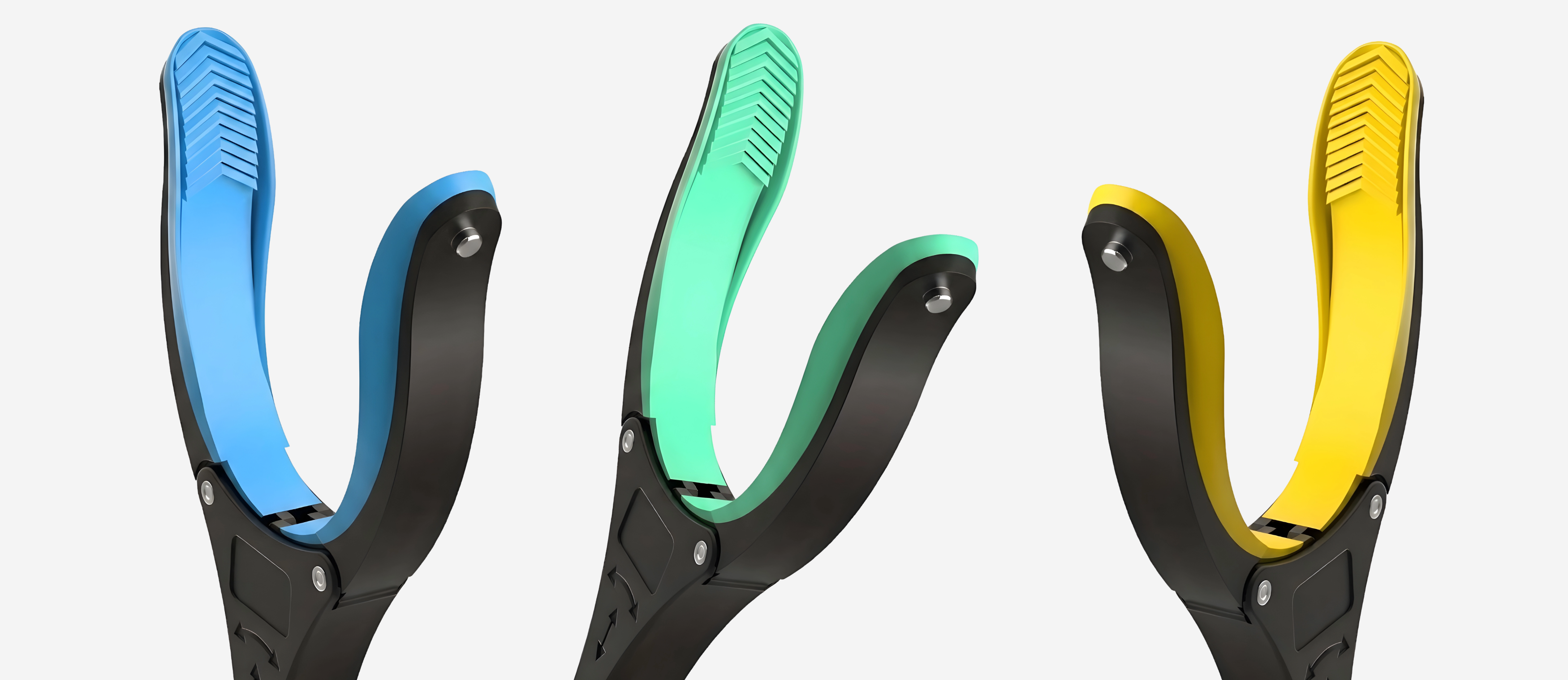
| Floor retrieval | How does patient retrieve dropped items? Do they bend safely? History of falls during retrieval? | Reacher grabber -- reduces fall risk of floor access |
| Dressing | Can patient reach feet for socks and shoes? Can they manage fasteners with affected hands? | Reacher for dressing; long-handled shoehorn; button hook |
| Bathroom safety | Is there a grab bar at toilet and tub? Is the toilet seat height safe? | Grab bars; raised toilet seat; non-slip bath mat |
| Bedroom setup | Can patient get in and out of bed safely? Are frequently needed items accessible? | Bed rail; reacher for items on floor or low surface during limited mobility period |
How to Prepare for an OT Home Visit
To make the most of an OT home visit: make a list of the three to five specific tasks you have the most trouble with; do not clean or reorganize before the visit (the therapist needs to see your actual environment, not an idealized version); have a family member or caregiver present if one is involved in your care; and write down any falls or near-falls in the past six months including what activity you were doing at the time.
The GrabbersTool 32-inch Reacher and Electric Jar Opener are among the most commonly recommended tools from OT home assessments. Browse the full reacher collection and adaptive kitchen tools.


