

There is a consistent misconception that adaptive athletes -- people with physical disabilities who participate in wheelchair basketball, para-cycling, amputee soccer, or other adaptive sports -- do not need daily living adaptive tools because their athletic performance demonstrates high functional capability. The misconception conflates athletic performance with all-domain function. A Paralympic wheelchair racer has extraordinary upper body strength and cardiovascular fitness -- and may still use a reacher grabber to retrieve items from kitchen shelves because that functional gap has nothing to do with athletic conditioning. Sport-specific equipment and home independence tools serve entirely different functional domains.
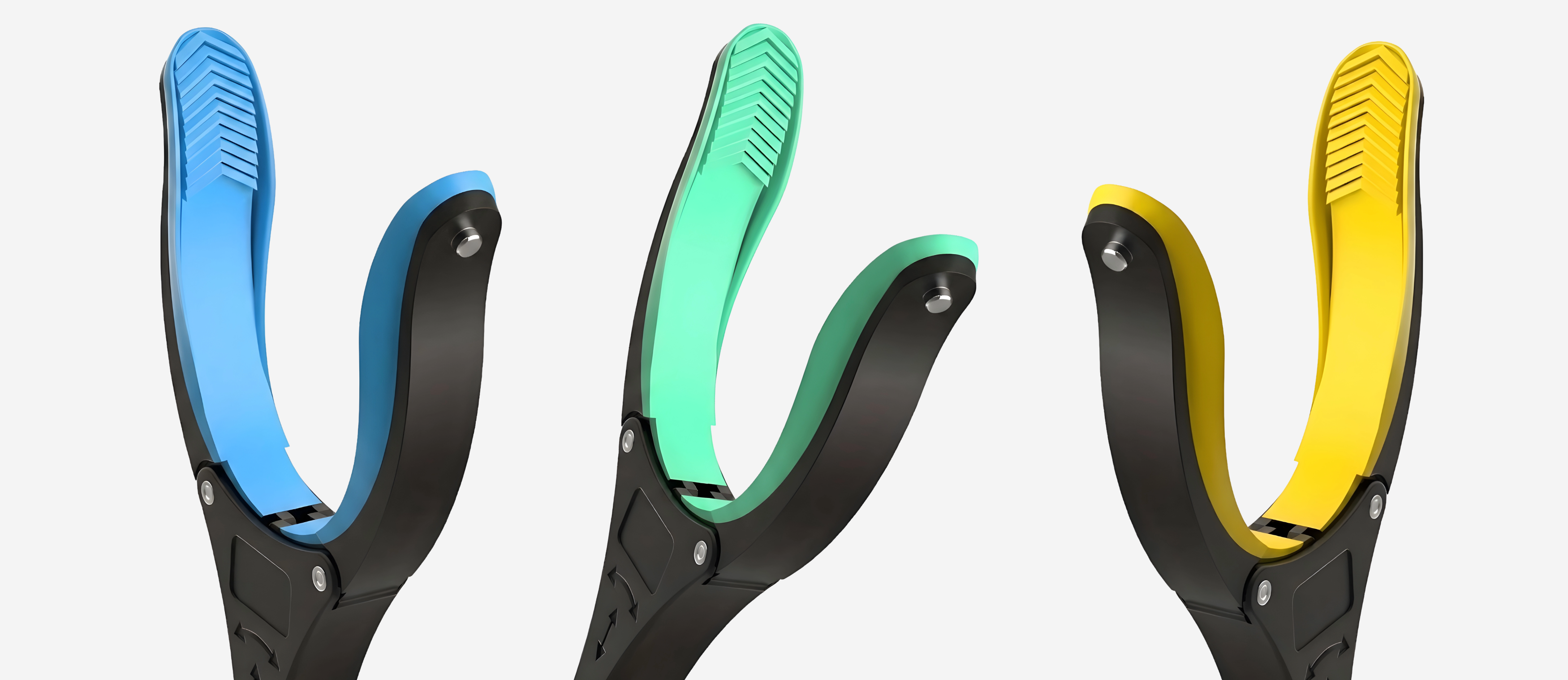
Direct answer: adaptive athletes need the same categories of daily living tools as non-athletic people with the same disability -- and sometimes more specifically selected tools because their sport equipment (racing wheelchairs, prosthetics optimized for sport, activity-specific arm prosthetics) is not used in the home environment. The GrabbersTool 43 inch Reacher Grabber, Electric Jar Opener, and Electric Can Opener address home independence gaps that sport equipment does not touch.
Sport Equipment vs Daily Living Tools: Different Domains
| Disability Type | Sport Equipment | Home Daily Living Gap | GrabbersTool Solution |
|---|---|---|---|
| Bilateral lower limb amputation | Running prosthetics (Blade Runner type) | Floor retrieval, chair transfers | 43 inch Reacher, Standing Assist Tool |
| Upper limb amputation (unilateral) | Activity-specific arm for sport | Jar and can opening (bilateral task) | Electric Jar Opener, Electric Can Opener |
| Spinal cord injury (wheelchair user) | Racing or sport wheelchair (low seat, different geometry) | Home-height shelf access, floor retrieval | 43 inch Reacher (multiple units) |
| Cerebral palsy (spastic hemiplegia) | Adapted grip equipment for sport | Kitchen bilateral grip tasks | Electric Jar Opener, 5-in-1 Multi-Opener |
| Visual impairment | Tandem cycling, guide runner systems | Kitchen precision tasks, object retrieval | Electric Can Opener, Reacher Grabber |
Full specifications for each tool including grip mechanism and reach dimensions are on the product pages. View 43 inch Reacher Grabber specifications
The Racing Wheelchair vs the Home Wheelchair
Wheelchair athletes often use multiple mobility devices: a sport-specific wheelchair (racing, basketball, tennis) optimized for performance, and a daily-use wheelchair for home and community navigation. These chairs have different geometry -- racing chairs are lower, narrower, and not optimized for kitchen or bathroom use. The adaptive setup at home is built around the daily-use chair, which has different reach dynamics. GrabbersTool customers who are wheelchair athletes consistently use reachers placed throughout the home for daily-use wheelchair access, even when they have excellent upper body strength in sport contexts.
Upper Extremity Prosthetic Users and Kitchen Independence
Athletes with upper limb amputations who compete in sport often use activity-specific prosthetics during competition -- these are not worn during home kitchen tasks. Many upper limb amputees use their residual limb and the intact hand for most daily tasks. Jar and can opening, however, is a bilateral task: it requires one limb to stabilize the container and the other to apply rotational force. Without a functional bilateral grip, both standard jar and can opening fail. Electric openers that stabilize and operate the container mechanically address this gap regardless of prosthetic use.
Energy Management for Adaptive Athletes
Adaptive athletes who train intensively have a specific energy management consideration: training exertion must be reserved for training, and daily living tasks that draw on the same muscle systems as sport performance carry a real recovery cost. For wheelchair athletes with high upper body training loads, manual jar opening and other high-grip kitchen tasks compete with training recovery. Electric kitchen openers that complete these tasks with minimal muscular involvement preserve upper body recovery resources for the training that matters -- this is a performance consideration as much as a disability accommodation.
See also: Spinal Cord Injury and Home Setup: Adaptive Tools for Full Home Independence and Upper Limb Amputation and Adaptive Daily Tools: One-Handed Techniques and Equipment.
Browse Reacher Grabber Tools, Easy Grip Kitchen Openers, and Ergonomic Mobility.


