

Amyotrophic lateral sclerosis (ALS) is a progressive neurodegenerative disease affecting both upper motor neurons (UMN) and lower motor neurons (LMN) throughout the neuroaxis. ALS is characterized by relentless motor neuron loss leading to progressive weakness, muscle atrophy, fasciculations, hyperreflexia (from UMN involvement), and spasticity. ALS is invariably fatal, with most patients dying of respiratory failure within 2-5 years of diagnosis. ALS staging (King's College ALS staging): Stage 1 (single region involved, e.g., hand weakness alone); Stage 2 (two regions involved); Stage 3 (three regions involved); Stage 4 (nutritional support required or respiratory support required). Kitchen adaptive tools are most applicable in ALS Stages 1-2, when the patient is still ambulatory and has some preserved hand function but with early weakness limiting specific kitchen tasks. As ALS progresses, kitchen independence declines rapidly and caregiver dependence increases. Proactive adaptive tool prescription in early ALS maximizes the duration of kitchen independence and reduces caregiver burden. ALS onset pattern: limb-onset (most common: arm-onset or leg-onset); bulbar-onset (dysarthria and dysphagia as first symptoms).
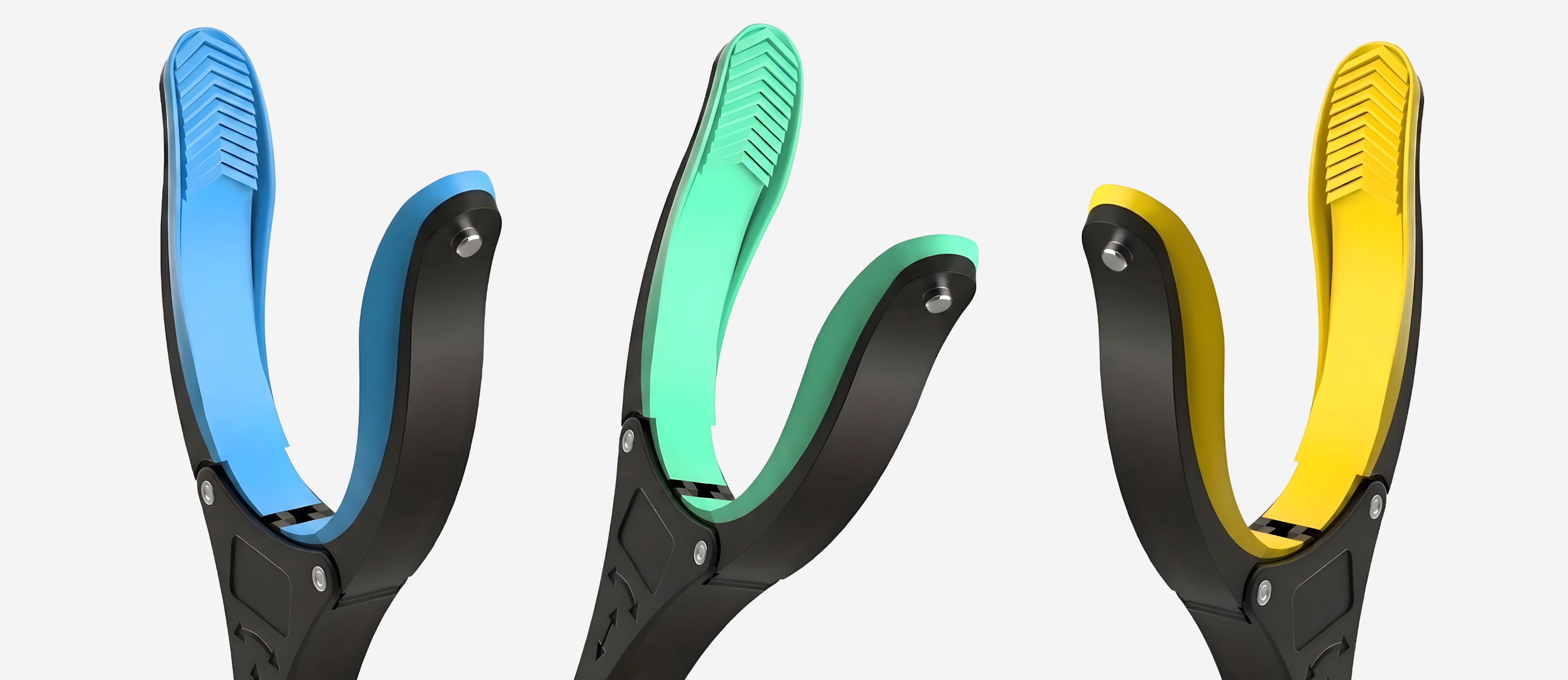
Direct answer: ALS early-stage kitchen adaptive tools must be prescribed proactively because ALS progression is rapid and kitchen independence declines quickly. The electric jar opener addresses ALS hand weakness early in arm-onset ALS. The reacher addresses ALS proximal weakness when shoulder and trunk involvement develops. The GrabbersTool Electric Jar Opener is typically the first ALS kitchen adaptive tool needed in arm-onset ALS.
ALS Kitchen Adaptive Strategy by Disease Stage and Onset Pattern
| ALS Feature | Kitchen Impact | Adaptive Solution |
|---|---|---|
| Arm-onset ALS: hand and wrist weakness (Stage 1) | Arm-onset ALS frequently presents with hand and wrist weakness; grip strength progressively reduced; finger extension weakness (wrist drop) may precede grip weakness; jar opening is one of the first kitchen tasks lost in arm-onset ALS -- requires both grip force and wrist rotation; cutting and fine motor kitchen tasks impaired by finger weakness; progression from mild grip limitation to severe hand weakness occurs over months in ALS | Electric jar opener (GrabbersTool) -- prescribe at the first sign of ALS grip limitation; do not wait until the patient is completely unable to open jars -- prescribe early so the patient can practice and rely on it before they absolutely need it; built-up utensil handles; wrist support splint for wrist drop (maintains wrist in extension for kitchen tool use); ALS occupational therapist for proactive kitchen adaptive prescription timeline |
| Proximal weakness (shoulder and hip girdle, Stage 2) | As ALS spreads to proximal muscles, shoulder abduction and elbow flexion weaken; overhead kitchen reach limited; carrying kitchen items limited by arm weakness; kitchen standing fatigue increases from trunk and hip girdle involvement; the combination of distal hand weakness and proximal shoulder weakness creates extensive kitchen limitation in Stage 2 | Reacher grabber (GrabbersTool) for overhead and low kitchen access when proximal arm weakness limits reach; mobile arm support (balanced forearm orthosis) for gravity-eliminated arm movement in mid-stage ALS; lightweight kitchen items; caregiver increasing involvement in the kitchen during Stage 2; ALS multidisciplinary clinic OT for proactive kitchen adaptive planning |
| Bulbar-onset ALS: dysphagia and dysarthria (Stage 1 bulbar) | Bulbar-onset ALS presents with difficulty speaking and swallowing before limb weakness; progressive dysphagia requires texture modification in kitchen food preparation; drooling management during meal preparation; eventual PEG tube (percutaneous endoscopic gastrostomy) placement when oral intake becomes unsafe (typically when body weight drops more than 10% from baseline); kitchen food preparation transitions to dysphagia-safe textures and eventually to tube feed preparation | Speech-language pathologist for ALS dysphagia texture modification timeline; soft, moist food kitchen preparation; thickened liquids as indicated; PEG tube management in the kitchen when tube feeding begins; RDN (registered dietitian nutritionist) for ALS nutrition management through the oral-to-tube transition |
See the Electric Jar Opener and 32-inch Reacher for ALS early-stage kitchen independence support.


