

Amyotrophic lateral sclerosis (ALS) is a rapidly progressive neurodegenerative disease with a median survival of 2-5 years from diagnosis. The adaptive equipment needs of a person with ALS evolve on a timescale of months rather than years, requiring frequent reassessment and rapid equipment acquisition. Family caregivers managing ALS often find themselves in a cycle of acquiring equipment, learning to use it, and then needing to move to the next stage of equipment before they feel comfortable with the previous set. Working proactively with an ALS-specialized occupational therapist -- ideally one associated with an ALS center -- is essential because this OT will have seen the equipment progression many times and can anticipate needs before the crisis point.
Direct answer: The ALS caregiver role in adaptive equipment is primarily: advocate for timely OT assessment (do not wait until function is lost to request assessment -- request it early enough that the person with ALS can learn the tool while their function still allows learning); acquire equipment before it is urgently needed (ALS progression can be faster than equipment delivery times); and facilitate the transition between equipment stages (when one tool is no longer effective, identify and obtain the next-stage tool promptly).
ALS Adaptive Equipment Stages and Caregiver Actions
| ALS Stage | Typical Equipment Transition | Caregiver Action |
|---|---|---|
| Limb onset -- upper extremity early | Electric jar opener; weighted or ergonomic utensils; reacher | Order these before grip is severely affected; OT assessment for full set |
| Limb onset -- upper extremity progressing | Universal cuff for utensil use; power tools; voice control devices | Second OT reassessment; order next-stage equipment in parallel |
| Limb onset -- lower extremity | Walker, then wheelchair; raised toilet seat; transfer board | ALS center PT assessment for mobility aid; early wheelchair fitting when walking declines |
| Bulbar involvement | Thickened liquids; AAC devices; PEG tube if needed | Speech pathology assessment early; AAC device ideally before speech is severely affected |
| Respiratory involvement | BiPAP; suction; hospice when appropriate | Respiratory therapy; hospice consultation; caregiver training for respiratory support |
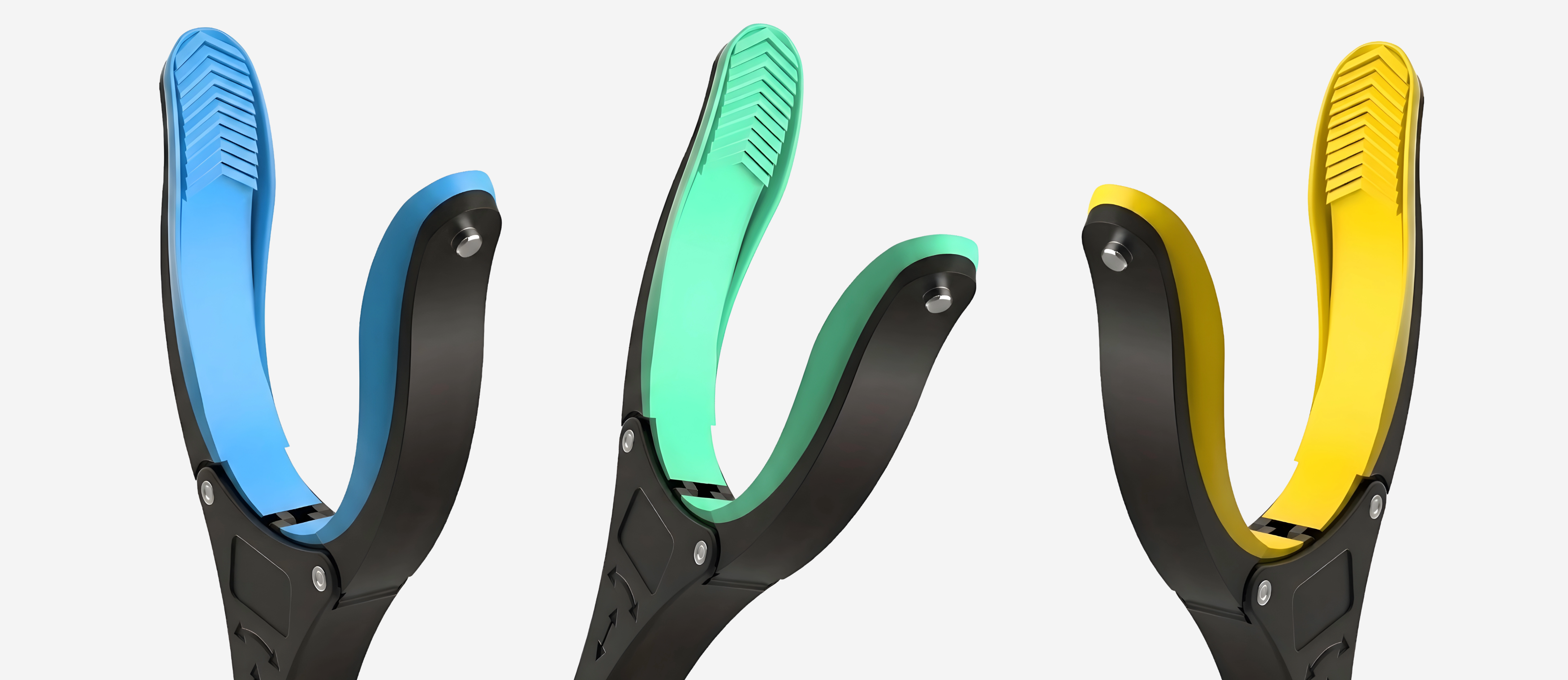
In early upper extremity ALS, the GrabbersTool Electric Jar Opener and 32-inch Reacher are among the first-line tools. Browse the adaptive kitchen collection and reacher tools.


