

Balance problems -- difficulty maintaining steady balance and stability -- are a common problem across many conditions, with important implications for kitchen safety (fall risk) and function. Balance problems result from many causes: neurological conditions (stroke, Parkinson disease, multiple sclerosis, cerebellar conditions and ataxia, peripheral neuropathy with proprioceptive loss, and others affecting balance control), vestibular (inner ear) conditions (affecting the balance system), musculoskeletal conditions (lower extremity weakness, arthritis, and conditions affecting stability), medication effects (some medications cause dizziness or affect balance), age-related balance decline (balance declines with age from changes in the sensory, vestibular, and motor systems), orthostatic conditions (dizziness on standing -- from blood pressure changes, POTS, and others), and general weakness and deconditioning. Balance problems increase the risk of falls, and the kitchen is a common fall location with significant hazards (hard surfaces, and the potential for serious injury). Balance problems affect kitchen function and safety through: fall risk during kitchen standing, walking, turning, and reaching (kitchen tasks that challenge balance -- reaching, bending, turning, and pivoting -- are difficult and increase fall risk), difficulty with tasks that require balance (standing at counters, moving around the kitchen, carrying items while walking), and the general safety concern of falls in the hazardous kitchen environment. Kitchen adaptation for balance problems prioritizes fall prevention and safety alongside functional support -- reducing the balance-challenging tasks, providing stability support, and creating a safe kitchen environment. This guide covers kitchen safety and function for balance problems from various causes.
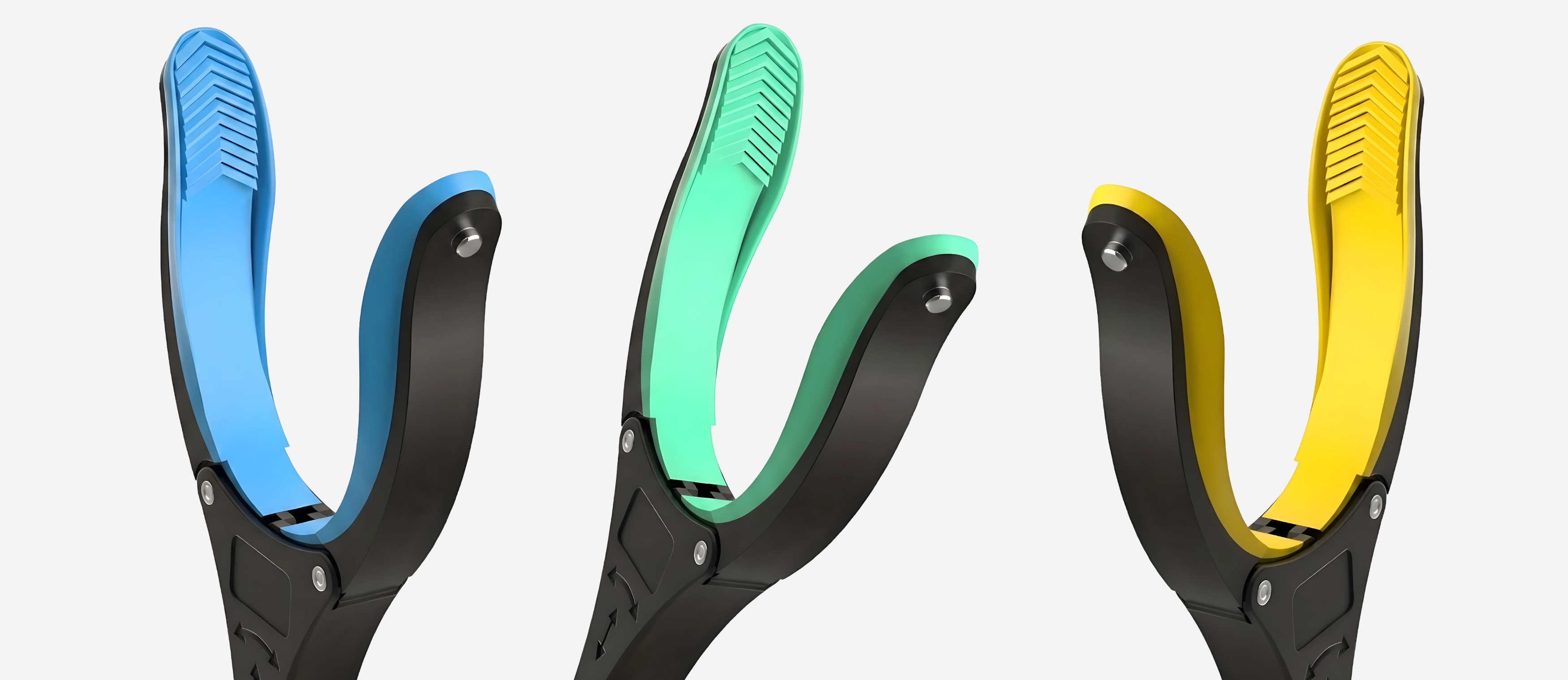
Direct answer: Balance problems kitchen adaptation prioritizes fall prevention -- reducing balance-challenging reaching and bending (with a reacher), seated preparation, stability support, and a safe kitchen environment. The GrabbersTool 32-inch Reacher reduces fall risk by eliminating the balance-challenging reaching, bending, and stretching that provoke falls in people with balance problems.
Balance Problems Kitchen Safety and Function Strategy
| Balance Challenge | Kitchen Safety and Function Risk | Adaptive Solution |
|---|---|---|
| Balance-challenging reaching, bending, and stretching | Reaching, bending, and stretching challenge balance -- these movements shift the center of gravity and require balance control, which is impaired with balance problems; reaching overhead for high kitchen items (stretching and shifting balance), bending down for low items (challenging balance while bent), and reaching to distant items (leaning and shifting balance) all challenge balance and increase fall risk; climbing on step stools for high items is a major fall risk; the balance-challenging reaching and bending during kitchen tasks are a significant fall risk with balance problems; these movements are difficult and unsafe with impaired balance | Reacher grabber (GrabbersTool 32-inch) to retrieve high, low, and distant kitchen items without the balance-challenging reaching, bending, stretching, and climbing that provoke falls -- a key fall-prevention tool for balance problems (the reacher extends reach while the person stands stably, avoiding the balance challenge); never climb on step stools (use the reacher); kitchen reorganization to place frequently used items within easy reach (avoiding balance-challenging reaching and bending); the reacher and accessible organization reduce the balance-challenging movements and fall risk |
| Standing, walking, turning, and stability in the kitchen | Kitchen standing, walking, turning, and pivoting challenge balance -- prolonged standing at counters and the stove challenges balance and stability; walking around the kitchen and turning/pivoting between tasks (common during cooking) are balance-challenging (turning is a particular fall risk in conditions like Parkinson disease); carrying items while walking further challenges balance (divided attention and shifted center of gravity); the standing, walking, and turning during kitchen tasks challenge balance and increase fall risk; the balance demand of kitchen mobility is a safety concern | Seated kitchen preparation to reduce the balance-challenging standing during kitchen tasks (a stable kitchen stool or perch -- working seated reduces the balance demand and fall risk); stability support (kitchen counters, rails, or grab bars for support during standing, tasks, and navigation); avoid carrying items while walking (use a wheeled cart or slide items along counters -- carrying challenges balance); reduce kitchen walking and turning (organize the kitchen to minimize movement; take care when turning); mobility aids (walker or cane) for kitchen mobility as appropriate; the seated preparation, stability support, and reduced mobility challenges reduce the balance demand and fall risk |
| Safe kitchen environment and balance problem support | The kitchen environment affects fall risk with balance problems -- flooring (slippery and wet floors increase fall risk), lighting (poor lighting impairs balance and hazard awareness), clutter and obstacles (trip hazards), and the general kitchen setup affect safety; a safe kitchen environment reduces fall risk; the specific condition causing the balance problems may have additional considerations (orthostatic conditions -- rising slowly; specific condition management; addressing medications that affect balance); balance and strength exercise (as appropriate to the condition) can help improve balance; the combination of a safe environment, adaptive strategies, and balance support reduces fall risk | A safe kitchen environment (non-slip flooring and prompt spill cleanup; adequate lighting; clear pathways free of clutter and trip hazards -- remove throw rugs or secure them; accessible organization); for orthostatic conditions, rise slowly (avoid the dizziness of quick position changes); address medications that affect balance (with the physician); balance and strength exercise (as appropriate to the condition -- can help improve balance); manage the underlying condition; occupational therapy home safety and fall prevention assessment; the safe environment, adaptive strategies (reacher, seated preparation, stability support), and balance support reduce the kitchen fall risk with balance problems; fall prevention is the priority |
See the 32-inch Reacher for balance problems kitchen fall prevention by eliminating balance-challenging reaching and bending.


