

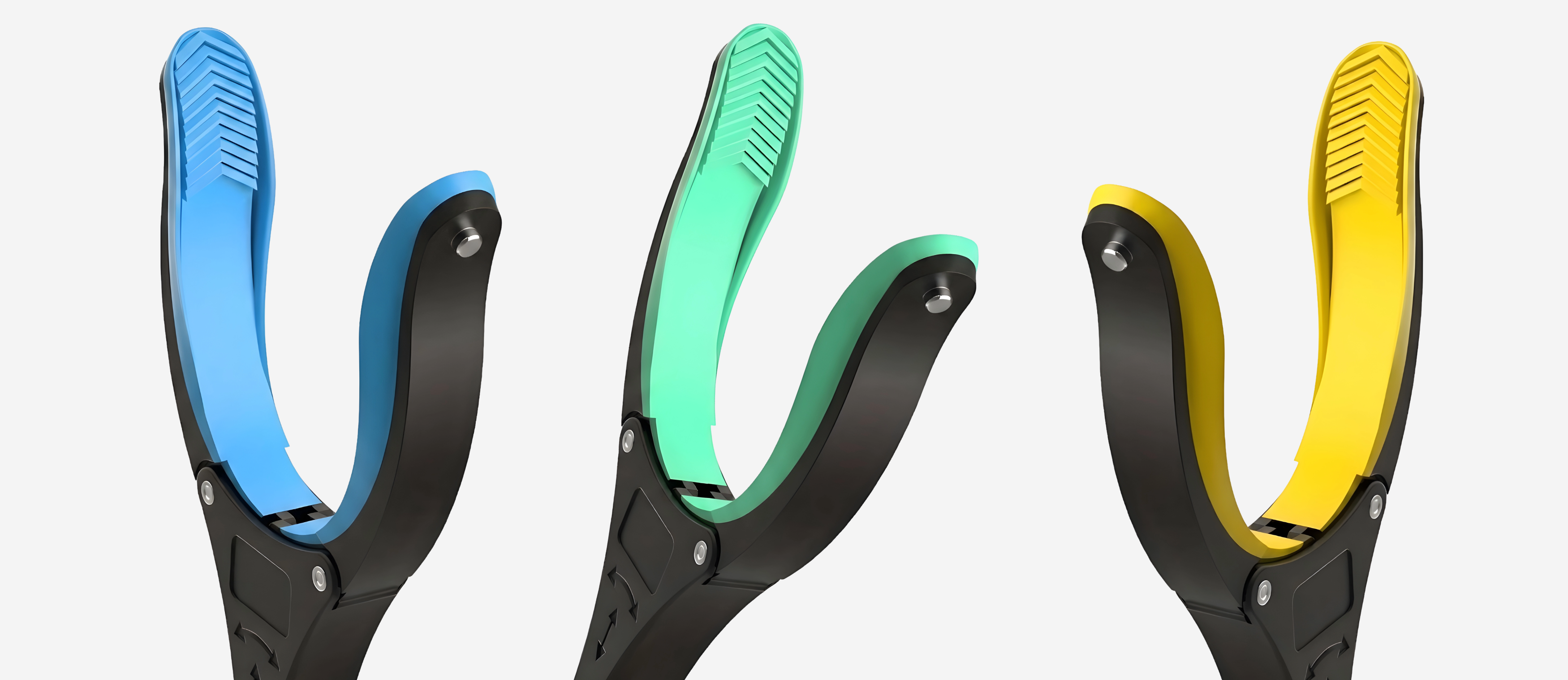
Balance impairment is among the most dangerous functional limitations in older adults and people with neurological conditions, because its primary consequence is falls -- with hip fracture, head injury, and loss of independence as potential outcomes. Balance impairment can result from vestibular disorders (benign paroxysmal positional vertigo, Meniere disease, labyrinthitis), medication effects (many blood pressure medications, diuretics, and sedatives affect balance), age-related vestibular decline, proprioceptive loss (neuropathy), and neurological conditions (Parkinson, cerebellar ataxia, stroke). Adaptive tools for balance impairment serve two purposes: reducing the risk of falls during daily activities, and reducing the dependence on two-hand stabilization that balance impairment creates.
Direct answer: The adaptive tools most important for balance impairment are: grab bars (permanent support at high-risk locations), non-slip mats (floor safety), a reacher grabber (eliminates the balance-threatening posture change of bending to floor level), and a walking aid (cane or walker) as prescribed. The reacher is specifically valuable for balance-impaired users because bending forward changes the center of gravity in the most challenging direction for someone with vestibular or proprioceptive balance impairment.
Why Bending Is Especially Dangerous With Balance Impairment
Bending forward to floor level requires the body to shift its center of gravity forward and downward -- a posture that vestibular-impaired or proprioceptive-impaired individuals have difficulty recovering from if they lose balance. The recovery from a forward-lean fall requires rapid vestibular and proprioceptive processing to activate corrective responses; impaired processing means the fall progresses instead of being corrected. The reacher eliminates this balance challenge entirely: the user remains upright while the reacher extends downward.
Adaptive Tool Set for Balance Impairment
| Tool | Balance Safety Benefit |
|---|---|
| Grab bars (bathroom, hallway) | External support at high-risk transitions; most important permanent installation |
| Non-slip bath mat | Prevents slipping on wet bathroom floor (one of the most common fall sites) |
| Reacher grabber | Eliminates forward bending center-of-gravity change that is highest fall risk movement |
| Adequate lighting (nightlight, path lights) | Visual system compensates for vestibular impairment; darkness removes compensatory input |
| Cane or walker (prescribed) | Widens base of support; reduces fall risk during ambulation |
| Non-slip footwear | Reduces slip risk on floor surfaces |
The GrabbersTool 32-inch Reacher is specifically beneficial for balance-impaired users because it avoids the forward-lean posture most likely to cause falls. Browse the full reacher collection.


