

Bariatric surgery for obesity -- Roux-en-Y gastric bypass (RYGB), sleeve gastrectomy (SG), one-anastomosis gastric bypass (OAGB), and biliopancreatic diversion with duodenal switch (BPD-DS) -- profoundly changes dietary intake capacity, nutrient absorption, and kitchen habits. Post-bariatric kitchen function is primarily affected not by physical limitation (unlike hip replacement or stroke) but by the dramatically altered dietary requirements. RYGB: creates a small gastric pouch (15-30 mL) and bypasses the duodenum and proximal jejunum; causes early satiety (only very small portions tolerated), dumping syndrome (rapid gastric emptying of concentrated sugars and carbohydrates), and risk of marginal ulcer from NSAIDs; lifelong vitamin and mineral supplementation required. SG: removes approximately 80% of the stomach, reducing capacity without bypassing the small intestine; early satiety prominent; no bypassed absorption. Pre-bariatric surgery patients with severe obesity (BMI greater than 40, or greater than 35 with comorbidities) frequently have obesity-related physical limitations (knee OA, back pain, limited mobility) that affect kitchen function and were part of the indication for surgery. Post-bariatric patients typically have significant improvement in mobility and kitchen function over years, but the acute post-operative period requires kitchen dietary adaptation.
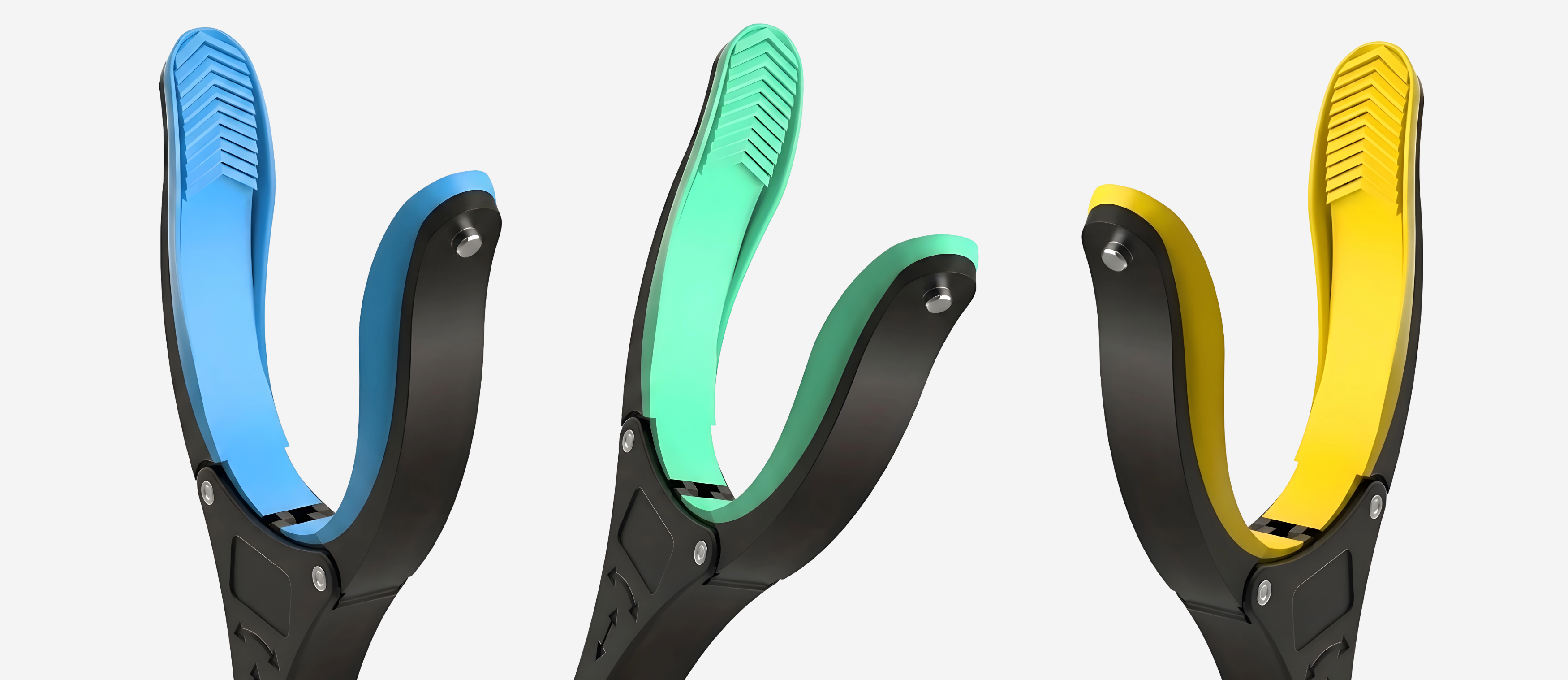
Direct answer: Bariatric surgery kitchen adaptive tools address: (1) the immediate post-operative abdominal restriction period (reacher for bending restriction after laparoscopic surgery); (2) the long-term dietary adaptation (small portions, protein-first, avoiding sugar and fat for dumping prevention). For pre-bariatric obese patients with mobility limitations: the 43-inch reacher compensates for reduced reach in severe obesity. The GrabbersTool 43-inch Reacher is specifically recommended for patients with severe obesity-related mobility restriction.
Bariatric Surgery Kitchen Adaptive Strategy
| Bariatric Surgery Feature | Kitchen Impact | Adaptive Strategy |
|---|---|---|
| Pre-operative severe obesity kitchen limitations | Severe obesity (BMI greater than 40) is associated with reduced reach (truncal adiposity reduces effective arm reach), knee OA, back pain, and limited mobility that affect kitchen access; reaching the floor or low cabinets is difficult due to truncal girth; prolonged kitchen standing causes joint pain and fatigue; the pre-operative kitchen limitations are the physical adaptive equipment need | 43-inch reacher (GrabbersTool) for floor-level item retrieval to compensate for reduced reach with truncal obesity; grab bar at kitchen counter for support with knee OA and back pain; seated kitchen preparation for prolonged preparation; occupational therapist assessment for pre-bariatric kitchen adaptation |
| Post-bariatric laparoscopic abdominal restriction (2-4 weeks) | Laparoscopic bariatric surgery (multiple port incisions in the upper abdomen) requires 2-4 weeks of lifting restriction (no lifting over 10 pounds); bending restriction; abdominal wound healing; post-operative nausea limits cooking motivation during the liquid and pureed diet phases (weeks 1-4) | Reacher grabber for low kitchen items during the post-bariatric abdominal restriction; lightweight kitchen items; caregiver assistance; kitchen reorganization to waist level; the post-op liquid and pureed diet phase means minimal active cooking is needed in the first 4-6 weeks anyway |
| Long-term post-bariatric dietary kitchen adaptation | Post-RYGB and SG require permanently altered kitchen meal preparation: small portions (only 3-6 ounces per meal initially, up to 8-12 ounces long-term); protein-first eating at each meal; avoiding sugar and simple carbohydrates to prevent dumping syndrome; vitamin and mineral supplementation at every meal; no drinking with meals (delays gastric emptying of the small pouch); the kitchen routine is fundamentally reorganized around these requirements | Small portion kitchen equipment (small plates, small bowls, small serving utensils) to support post-bariatric portion management; high-protein meal preparation (lean meat, eggs, Greek yogurt, legumes) as the primary kitchen focus; avoiding dumping-trigger foods (concentrated sweets, high-fat foods) in kitchen planning; bariatric dietitian for long-term post-bariatric kitchen nutrition management |
See the 43-inch Reacher and 32-inch Reacher for bariatric surgery kitchen support.


