

Caregiver musculoskeletal injury is a recognized occupational health problem: family caregivers and professional home health aides have significantly elevated rates of back injury, shoulder injury, and knee injury compared to non-caregivers, driven by the physically demanding tasks of assisting with transfers, repositioning, bathing, and dressing. Adaptive equipment intended for the care recipient also directly benefits the caregiver -- a reacher grabber that allows the care recipient to retrieve their own dropped items eliminates one caregiving task from the caregiver workload. But adaptive tools also have direct caregiver applications that are separate from care recipient use.
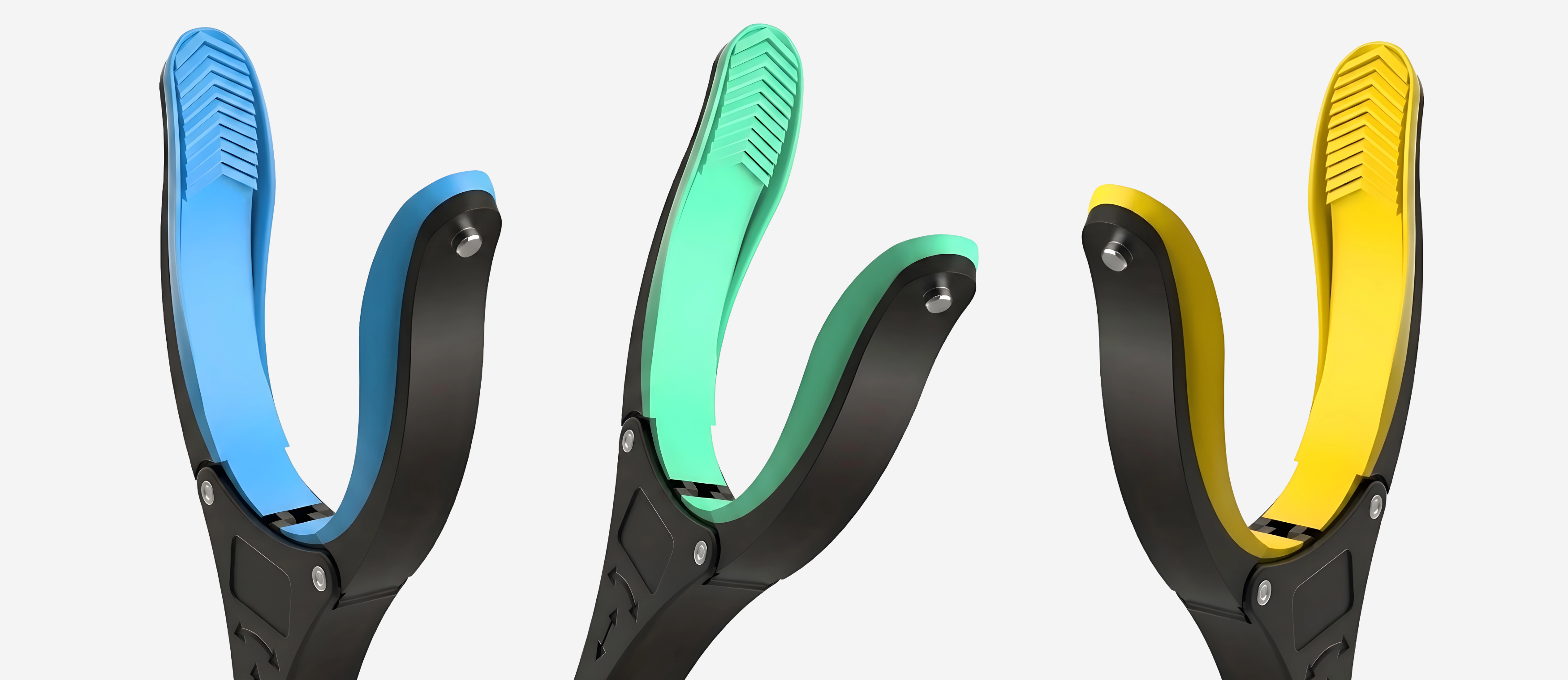
Direct answer: The adaptive tools most useful for caregiver musculoskeletal protection are: a transfer belt (gait belt) for safe assisted transfers, a reacher grabber for the caregiver to retrieve items dropped on the care recipient's side without bending across them, a long-handled sponge for bathing assistance without bending over the tub, and a hospital-style bed that raises to working height for wound care or dressing assistance. The GrabbersTool Reacher is useful both for the care recipient independently and for the caregiver to reduce bending during care tasks.
Caregiver Injury Prevention: High-Risk Tasks
| Caregiving Task | Injury Risk | Protective Approach |
|---|---|---|
| Assisted transfers (bed-to-chair, toilet) | High back and shoulder injury risk | Transfer belt; mechanical lift if care recipient is non-weight-bearing; slide sheet |
| Bathing assistance | Back and shoulder strain from leaning over tub | Shower chair or tub bench; long-handled sponge; raised bath height if possible |
| Retrieving dropped items for care recipient | Repeated bending throughout day | Provide care recipient with reacher; caregiver uses own reacher for inaccessible spots |
| Dressing assistance | Back strain from bending to floor level for lower-body dressing | Raise bed to working height; caregiver seated if possible; long-handled dressing aids |
| Pushing wheelchair on uneven surfaces | Shoulder and wrist strain | Powered wheelchair assists; avoid soft terrain when possible |
The best adaptive tool investment for a caregiver-care recipient household is one that reduces the number of times the caregiver must retrieve dropped items for the care recipient. Providing the care recipient with a GrabbersTool 32-inch Reacher and training them to use it independently removes dozens of daily bending tasks from the caregiver workload. Browse the full reacher collection.


