

Celiac disease is an immune-mediated enteropathy triggered by dietary gluten (gliadin from wheat, hordein from barley, secalin from rye) in genetically susceptible individuals (HLA-DQ2 or HLA-DQ8), causing villous atrophy of the small intestinal mucosa, malabsorption, and systemic immune activation. The only evidence-based treatment for celiac disease is strict lifelong gluten-free diet -- ingestion of even trace amounts of gluten (as little as 10-50 mg, less than 1/8 teaspoon of wheat flour) can trigger immune activation and intestinal damage. This strict avoidance requirement makes the kitchen the most important and challenging management domain for celiac disease: cross-contamination from shared kitchen surfaces, utensils, and cookware is a major celiac disease management challenge, particularly in households with non-celiac members who cook with gluten-containing foods. Kitchen functional independence for celiac disease patients is not about physical or motor limitation -- it is about knowledge, organization, and the correct adaptive kitchen strategies to prevent gluten cross-contamination while maintaining practical kitchen independence.
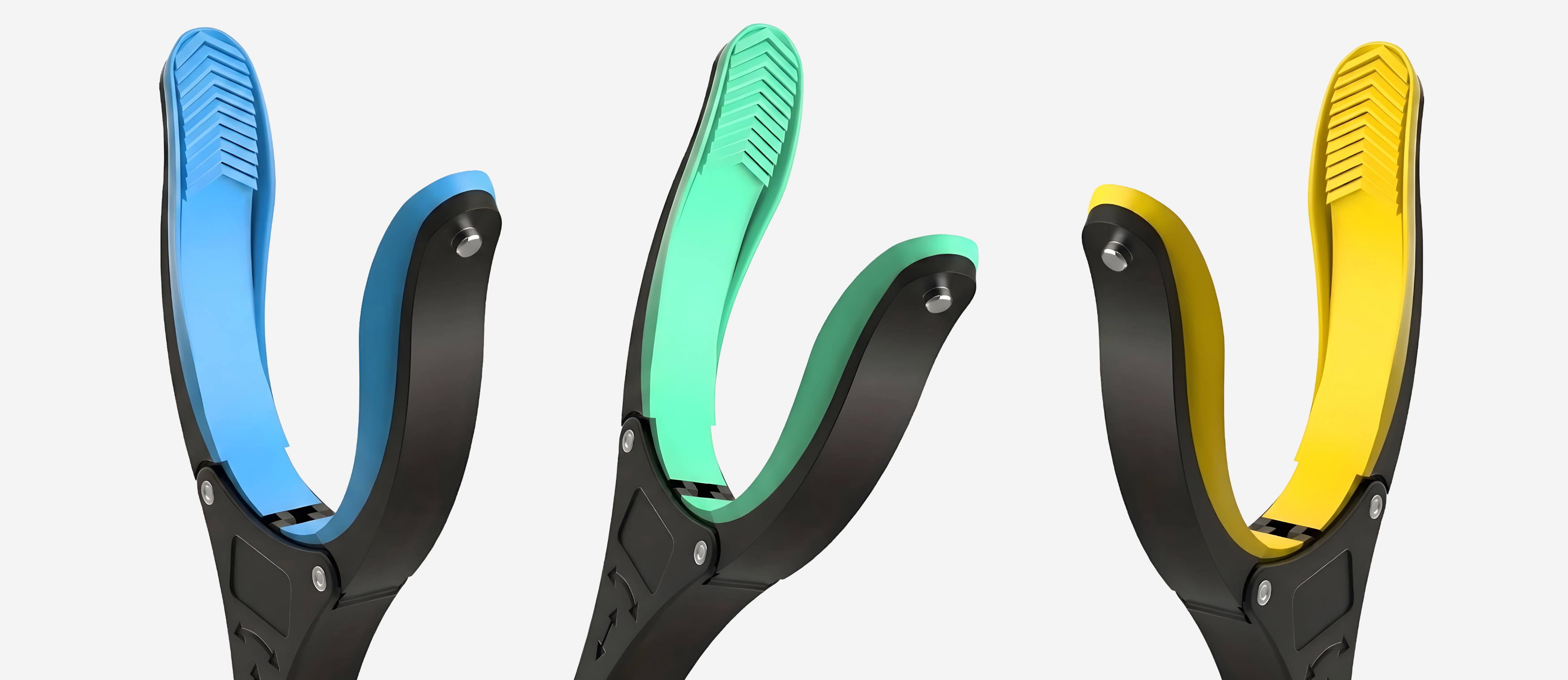
Direct answer: Celiac disease kitchen adaptive tools and strategies focus on cross-contamination prevention rather than physical adaptation. Dedicated gluten-free kitchen zones, separate labeled utensils, and strict food handling protocols are the primary celiac kitchen adaptations. The electric jar opener is relevant for celiac patients with comorbid conditions (arthritis, neuropathy from untreated celiac) that limit grip. The GrabbersTool Electric Jar Opener is recommended for celiac patients with celiac-associated peripheral neuropathy or coexisting inflammatory arthritis that limits kitchen grip.
Celiac Kitchen Management and Cross-Contamination Prevention
| Celiac Kitchen Challenge | Cross-Contamination Risk | Safe Kitchen Strategy |
|---|---|---|
| Shared kitchen with gluten-using household members | Highest risk celiac kitchen scenario: wheat flour becomes airborne (remains airborne for 24 hours); shared cutting boards retain gluten protein in surface pores; shared wooden spoons and colanders retain gluten; shared toasters are a major contamination source; shared spreads (butter, jam) contaminated by double-dipping | Dedicated gluten-free cutting board (color-coded); dedicated gluten-free wooden utensils, colander, and toaster; separate labeled spreads and condiments; gluten-cooking occurs first, kitchen cleaned, then celiac cooking; celiac member cooks own food separately when possible |
| Label reading for hidden gluten (shared pantry) | Gluten is present in unexpected foods: soy sauce, malt vinegar, some oats, beer marinades, certain spice mixes, some medications; pantry items with hidden gluten may be used accidentally during meal preparation | Regular pantry audit for hidden gluten sources; clear labeling of all gluten-containing pantry items; magnification app for fine-print label reading; store gluten-free items on separate shelves clearly labeled |
| Celiac-associated peripheral neuropathy (physical limitation) | Untreated or long-standing celiac disease causes peripheral neuropathy (length-dependent sensory neuropathy from vitamin B12 and folate deficiency due to malabsorption); this neuropathy can cause hand numbness and reduced grip force -- a physical kitchen limitation on top of the dietary management challenge | Electric jar opener (GrabbersTool) for celiac neuropathy grip limitation; electric can opener; gluten-free diet adherence to prevent further neuropathy progression; neurological assessment if neuropathy suspected |
See the Electric Jar Opener and adaptive kitchen collection for celiac disease kitchen support.


