

Chronic pain -- persistent pain lasting beyond the normal healing time (typically defined as more than 3 months) -- is a common and significant problem across many conditions, substantially affecting daily activities including kitchen tasks. Chronic pain results from many causes: musculoskeletal conditions (arthritis, back and neck pain, and joint and muscle conditions), neuropathic conditions (nerve-related pain -- neuropathy, nerve injury, and others), fibromyalgia and central sensitization conditions, chronic pain following injury or surgery, and pain associated with many chronic diseases. Chronic pain is complex, involving physical, psychological, and social factors (the biopsychosocial model), and is often influenced by activity, position, stress, sleep, and other factors. The pain affects function -- limiting activities, and certain movements, positions, and tasks may provoke or worsen the pain. Kitchen tasks involve various movements and positions (gripping, lifting, standing, bending, reaching, and sustained postures) that, depending on the pain condition, may provoke or worsen the chronic pain. Managing chronic pain during kitchen tasks involves reducing the pain-provoking demands (adapting tasks and using tools to reduce the movements, forces, and positions that provoke the pain), pacing (balancing activity to avoid overexertion that worsens pain -- avoiding the boom-and-bust cycle), and general chronic pain self-management principles (staying active within limits, pacing, and the overall pain management). The goal is to maintain kitchen function while managing the pain -- reducing the pain provocation of kitchen tasks and pacing the activity. Adaptive tools that reduce the pain-provoking demands of kitchen tasks are valuable. This guide covers managing chronic pain during kitchen tasks, applicable across chronic pain conditions.
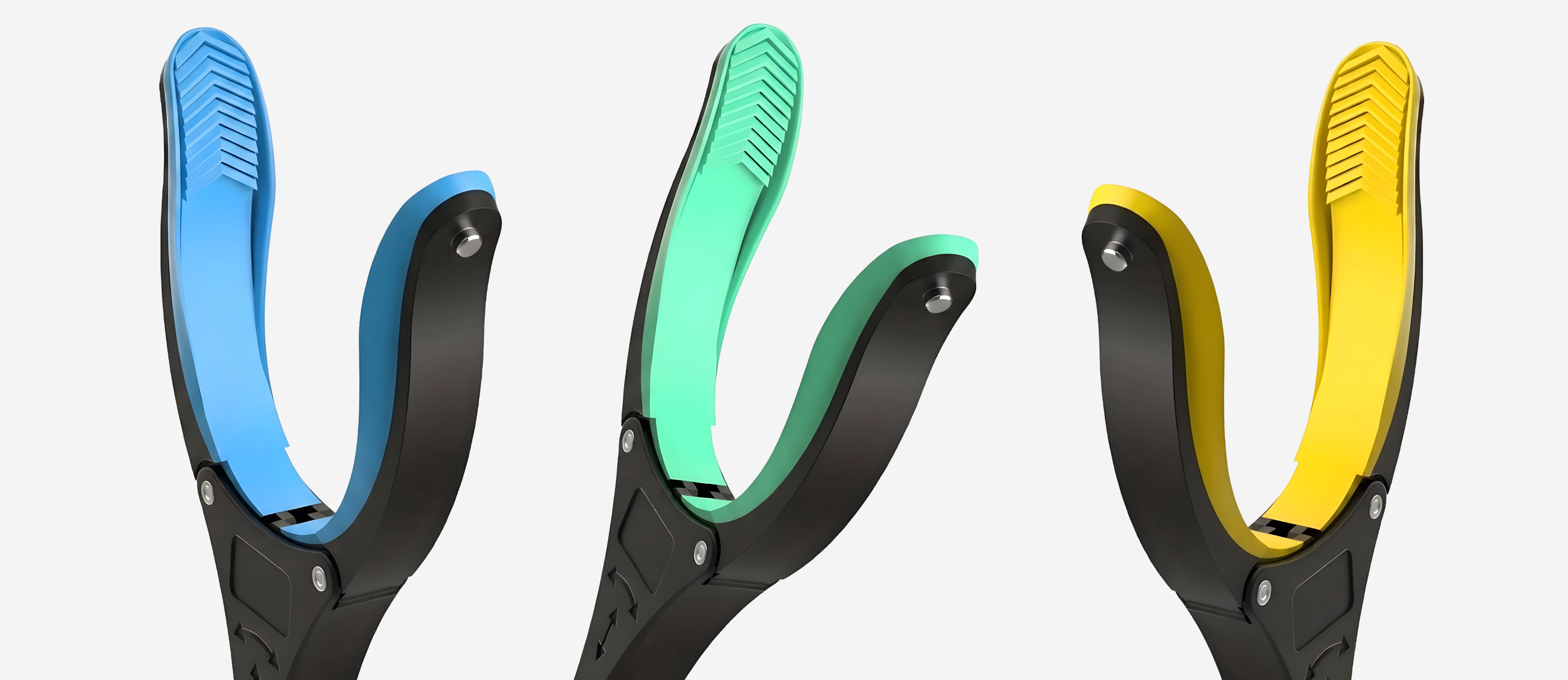
Direct answer: Chronic pain kitchen adaptation reduces the pain-provoking demands of kitchen tasks (adaptive tools reducing force, movements, and positions that provoke pain), paces activity to avoid the boom-and-bust cycle, and applies pain self-management. The GrabbersTool Electric Jar Opener and 32-inch Reacher reduce the forceful gripping, bending, and reaching that provoke pain in many chronic pain conditions.
Chronic Pain Kitchen Adaptive Strategy
| Chronic Pain Consideration | Kitchen Impact | Adaptive Strategy |
|---|---|---|
| Reducing pain-provoking demands of kitchen tasks | Kitchen tasks involve various movements, forces, and positions that, depending on the chronic pain condition, may provoke or worsen the pain -- forceful gripping (provoking hand, wrist, arm, and shoulder pain), lifting (provoking back, shoulder, and joint pain), bending (provoking back and joint pain), prolonged standing (provoking back, leg, and joint pain), reaching (provoking shoulder and back pain), and sustained postures; the specific pain-provoking demands depend on the condition and the location of the pain; reducing the pain-provoking demands of kitchen tasks reduces the pain provocation; adapting the tasks to reduce the movements, forces, and positions that provoke the pain is central to managing chronic pain during kitchen tasks | Use adaptive tools to reduce the pain-provoking kitchen demands -- electric jar opener (GrabbersTool) and electric appliances to reduce forceful gripping (for hand, wrist, arm, and shoulder pain); the reacher (GrabbersTool) to reduce bending and reaching (for back, joint, and shoulder pain); lightweight tools to reduce lifting (for back, shoulder, and joint pain); seated kitchen preparation to reduce prolonged standing (for back, leg, and joint pain); the adaptive tools reduce the specific pain-provoking demands based on the condition; matching the adaptations to the person pain-provoking movements and positions reduces the pain provocation of kitchen tasks |
| Pacing and avoiding the boom-and-bust cycle | Pacing is important in chronic pain management -- overexertion (doing too much when feeling better) can worsen the pain and lead to a flare, followed by a period of reduced activity (the boom-and-bust cycle -- overdoing on good days, then crashing); the boom-and-bust cycle is counterproductive in chronic pain; pacing (balancing activity, spreading tasks, and taking breaks to avoid overexertion) helps manage the pain and maintain more consistent function; kitchen tasks should be paced within the overall activity pacing; avoiding the overexertion that worsens the pain supports more consistent function; pacing is a core chronic pain self-management principle | Pace kitchen tasks (break tasks into segments with rest breaks; spread kitchen activity; avoid overexertion -- do not overdo on good days; balance activity to avoid the boom-and-bust cycle); the pacing helps manage the pain and maintain more consistent kitchen function; batch cooking during better periods (but paced -- not overdoing); simple meals during higher-pain periods; the pacing avoids the overexertion that worsens the pain; the adaptive tools support the pacing by reducing the effort and pain provocation of tasks; the pacing is central to managing chronic pain during kitchen tasks |
| Pain self-management, staying active, and chronic pain support | Chronic pain self-management involves staying active within limits (avoiding both excessive rest -- which worsens deconditioning and can worsen pain -- and overexertion), pacing, the overall pain management (which may include medications, physical therapy, psychological approaches, and other treatments -- the multidisciplinary chronic pain management), and adapting activities to maintain function; the goal is to maintain function and quality of life while managing the pain; kitchen function is part of maintaining daily function and independence; the combination of reducing the pain provocation of kitchen tasks, pacing, and the overall pain self-management supports kitchen function with chronic pain; staying active (including maintaining kitchen function within limits) is part of chronic pain management | Stay active within limits (maintain kitchen function within the pain limits -- avoiding both excessive rest and overexertion; the adaptive tools enable staying functional by reducing the pain provocation); the overall chronic pain management (per the pain management approach -- medications, physical therapy, psychological approaches, and other treatments as appropriate; the multidisciplinary chronic pain management); the adaptive tools, pacing, and staying active within limits support maintaining kitchen function with chronic pain; occupational therapy for chronic pain kitchen assessment and adaptive strategies; the combination of reducing the pain-provoking demands, pacing, staying active within limits, and the overall pain management supports kitchen function and quality of life with chronic pain |
See the Electric Jar Opener and 32-inch Reacher for managing chronic pain during kitchen tasks.


