

Chronic venous insufficiency (CVI) is caused by impaired venous return from the lower extremities, most commonly from incompetent venous valves (primary CVI) or post-thrombotic syndrome (PTS, following deep vein thrombosis with residual valve incompetence). CVI causes: lower extremity edema, skin changes (lipodermatosclerosis, venous eczema, hemosiderin pigmentation), and venous ulcers (typically above the medial malleolus, gaiter zone). Venous ulcers affect approximately 1% of the population and are the most common chronic wound type. The key pathophysiology of CVI that affects kitchen function: ambulatory venous hypertension -- venous pressure in the lower extremities fails to decrease normally with walking because the incompetent valves allow retrograde blood flow; prolonged standing (even more than prolonged walking) causes static venous pooling and increases ambulatory venous hypertension, worsening edema and ulcer healing. Kitchen prolonged standing is therefore a specific CVI trigger: the kitchen requires sustained standing at the counter for cooking, which creates the exact ambulatory venous hypertension pattern that worsens CVI. Compression therapy (compression stockings or bandaging) is the cornerstone of CVI management.
Direct answer: Chronic venous insufficiency kitchen adaptive strategies center on avoiding prolonged standing (seated preparation reduces venous pooling) and compression compliance during kitchen use. Elevated leg rest periods between kitchen tasks reduce edema accumulation. The kitchen stool or seated workstation is the most important CVI kitchen adaptation -- more important than any specific adaptive tool.
Chronic Venous Insufficiency Kitchen Adaptive Strategy
| CVI Feature | Kitchen Impact | Adaptive Strategy |
|---|---|---|
| Ambulatory venous hypertension from prolonged kitchen standing | Prolonged kitchen standing (30-60 minutes at the counter during meal preparation) causes progressive venous pooling in incompetent lower extremity veins; static venous hypertension during kitchen standing worsens edema, lipodermatosclerosis, and ulcer healing; the kitchen counter standing position (static, upright) is actually worse for CVI than walking because walking activates the calf muscle pump; CVI patients notice visible ankle and leg swelling worsening during prolonged cooking | Seated kitchen preparation -- the single most important CVI kitchen adaptation; seated preparation eliminates the venous pooling from static standing; calf muscle pump activation with ankle exercises while seated at the kitchen stool helps venous return during seated cooking; compression stockings worn during all kitchen activity including seated preparation; elevate legs for 20-30 minutes before and after prolonged kitchen tasks |
| Venous ulcers (gaiter zone, medial malleolus) | Active venous ulcers require dressing changes and compression bandaging; CVI ulcers are painful with weight bearing (standing in the kitchen); the compression bandage on the lower leg adds bulk that changes footwear fit and kitchen mobility; large ulcers may be colonized with bacteria, requiring infection precautions in food preparation areas | Ulcer wound care supplies stored accessible for kitchen-area wound changes; maintain ulcer dressing integrity during kitchen water use (waterproof dressing cover); seated preparation for ulcer pain management; wound care nurse for comprehensive CVI ulcer management including activity guidance; multilayer compression bandaging (the standard treatment for venous ulcers) worn during all kitchen use |
| Lower extremity edema (bilateral, worse with prolonged standing) | CVI edema is gravity-dependent and worsened by prolonged standing; kitchen tasks at the end of the day (when edema has accumulated from the day of standing) are the most problematic; heavy, edematous legs are fatiguing and limit kitchen standing tolerance; pitting edema reduces footwear fit (wearing kitchen shoes with edematous feet); ankle range of motion reduced by edema, affecting kitchen gait | Schedule kitchen tasks in the morning (before edema accumulates over the day); leg elevation rest period before afternoon cooking; compression stockings applied in the morning before getting out of bed (before edema develops, not after); dietary sodium restriction (reduces fluid retention that worsens edema); lymphatic massage (manual lymphatic drainage, MLD) for severe CVI edema from lymphedema component |
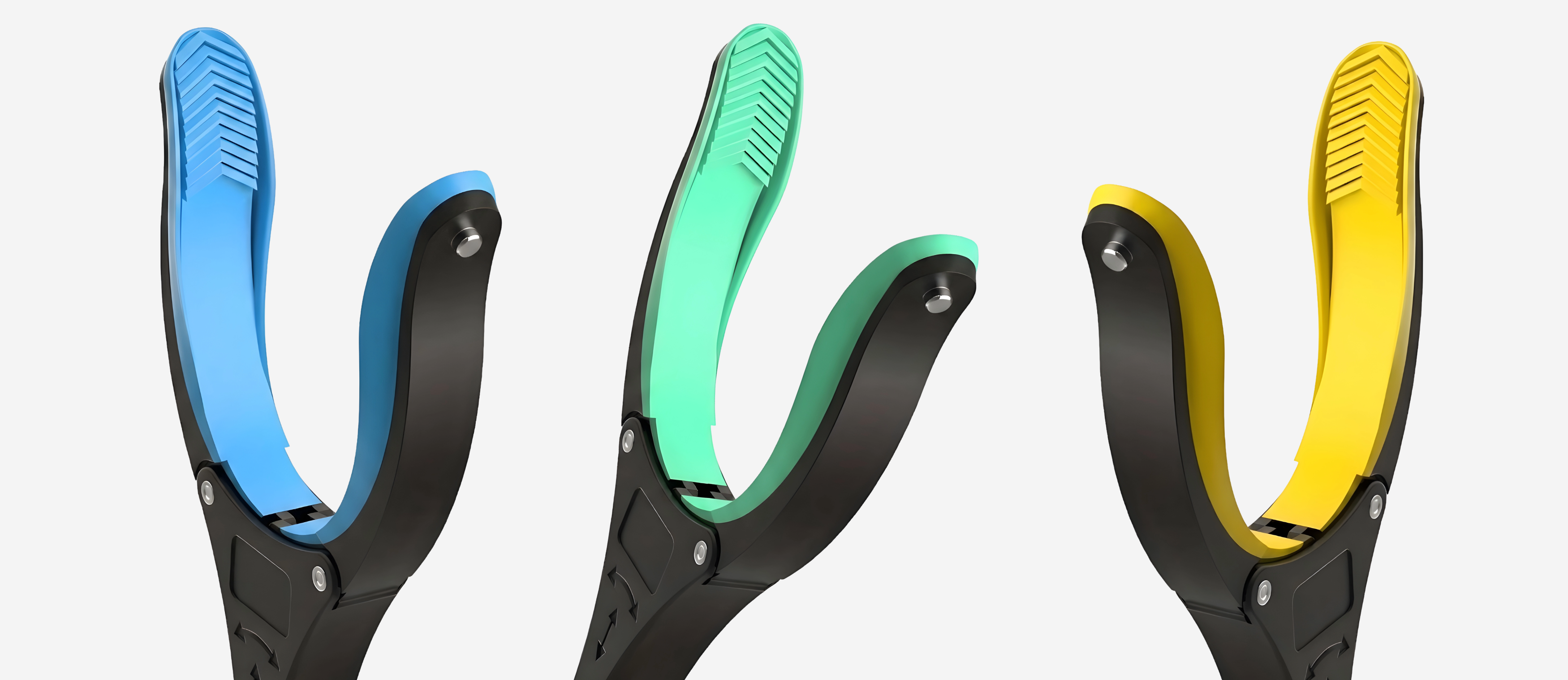
See the 32-inch Reacher and adaptive kitchen collection for chronic venous insufficiency kitchen support.


