

Starting college is the first full-independence test for many students with disabilities -- and it happens in an environment that was not designed for them. Dorm rooms are small, accessible features may be inconsistent between buildings, and the family caregiver support structure that managed daily living at home is gone. GrabbersTool hears from students -- and from parents helping them prepare -- who are building their first truly independent adaptive toolkit. The requirements are different from home: compact, portable, and sufficient for a single-person dorm room setup with limited counter space and shared kitchen access.
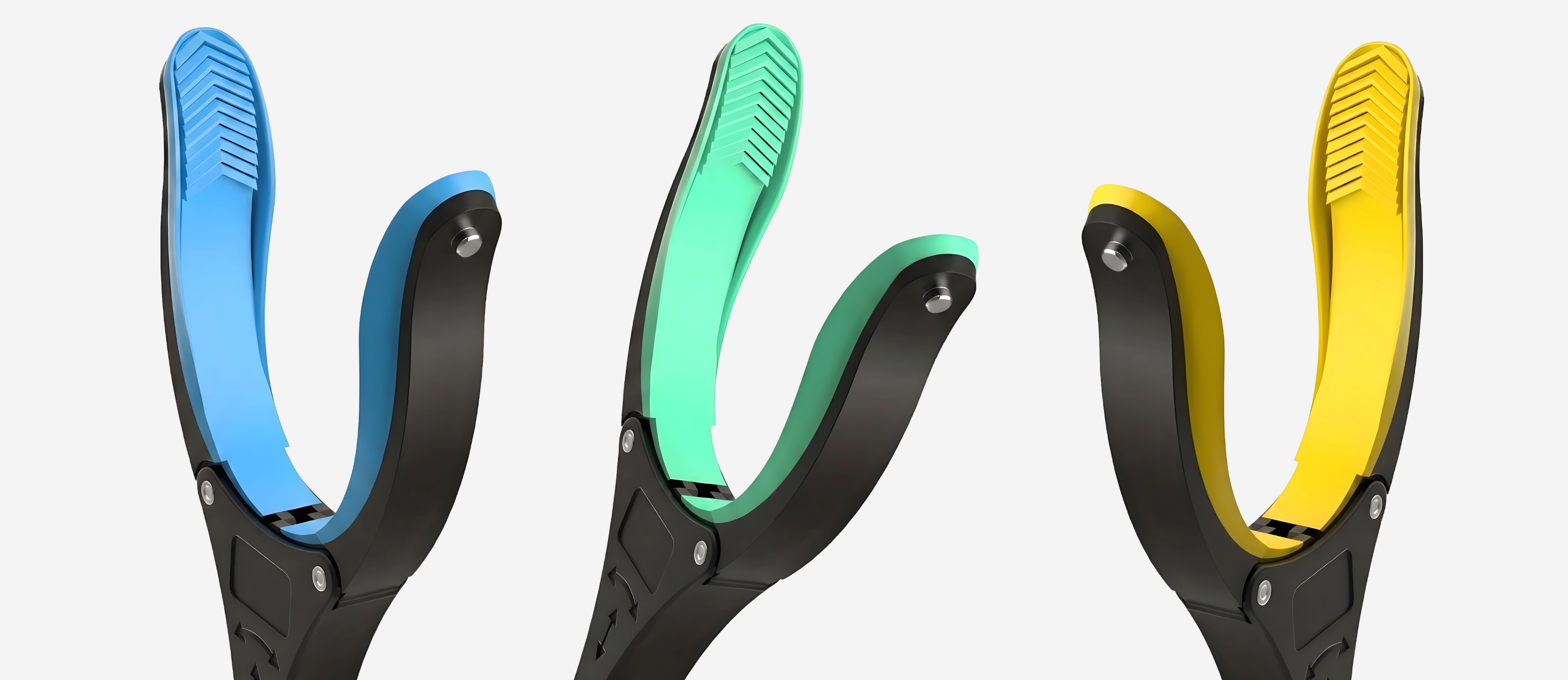
Direct answer: the core adaptive toolkit for a college student with mobility or grip limitations is compact and portable: a 32 inch Reacher Grabber for dorm room floor and shelf access, the 5-in-1 Multi-Opener for shared kitchen use (compact enough to fit in a bag), and a GrabbersTool Electric Jar Opener for personal food storage. These three tools address the majority of daily living challenges in a campus environment without requiring significant space.
The Campus Environment: Unique Challenges
College adaptive living differs from home adaptive living in specific ways:
- Shared and unfamiliar spaces: dining halls, accessible bathrooms, study areas -- each has different physical configurations
- No dedicated caregiver: tasks that were assisted at home now happen alone or with peer support
- Limited personal space: dorm rooms average 100-200 square feet; equipment must be compact
- Portability requirements: tools that move between dorm, library, and class may be needed
- Budget constraints: student budgets are real; cost-effectiveness matters
- Shared kitchen access: communal kitchen tools may not be adaptive; personal tools must be brought
Dorm Room Tool Setup
| Campus Challenge | Recommended Tool | Why It Works in a Dorm |
|---|---|---|
| Items on high dorm shelves or dropped on floor | 32 inch Reacher Grabber | Fits in closet; handles 90% of dorm room reach tasks |
| Food from personal mini-fridge jars and bottles | 5-in-1 Multi-Opener | Compact; no power required; handles all cap types |
| Jarred food storage -- meal prep | Electric Jar Opener | Counter-top; works on all jar sizes; no grip strength |
| Standing from desk chair after long study sessions | Standing Assist Tool | Assists with desk-height transfers; compact design |
| Carrying items across campus | Cane Strap | Frees hand while using mobility aid on campus walks |
Dimensions and portability specifications for each tool are on the product pages. View 32 inch Reacher Grabber specifications
Disability Services Office Coordination
Most US universities have a Disability Services or Accessibility Services office that coordinates accommodation beyond physical adaptive tools: accessible room assignment, exam accommodations, priority class registration, and note-taking support. Students should register with Disability Services before arriving on campus -- not after. Adaptive equipment is typically a student responsibility to provide, but Disability Services can sometimes connect students with equipment loan programs or campus resources that supplement personal tools.
The Shared Kitchen Problem
Dormitory shared kitchens present a consistent friction point for students with grip or mobility limitations: standard can openers, no jar-opening aids, heavy appliances not positioned for wheelchair users. The practical solution is a personal bag of adaptive kitchen tools that travel to the shared kitchen when needed. The 5-in-1 Multi-Opener fits in a backpack. For students with access to a personal mini-fridge and microwave in their room, the shared kitchen need can be minimized by food choices that avoid containers requiring manual opening strength.
Meal Plan and Dining Hall Strategy
Campus dining halls vary widely in accessibility. Students with grip limitations may encounter food packaging that requires two-handed operation (sealed portions, beverage bottles). Disability Services can sometimes arrange for dining staff accommodation, but having the Multi-Opener accessible in a bag provides immediate backup when dining hall packaging is inaccessible. Students with mobility limitations should assess whether their campus dining halls are physically accessible -- table height, tray access, seating options -- before the first week of class.
Transition Planning: From Supervised to Independent
The summer before college is the right time to practice full independent use of adaptive tools without caregiver backup. GrabbersTool parents report that shipping the toolkit ahead of the student -- so it arrives before move-in -- removes one logistical challenge from an already complex transition week. The adaptive toolkit should be used daily at home for several weeks before college begins, so the student arrives with established habits rather than learning new tools in an unfamiliar environment under stress.
See also: Solo Living With a Disability: The Complete Adaptive Tool Setup for Independent Life and Adaptive Tools for Apartment Living: Small Space Independence.
Browse Reacher Grabber Tools and Easy Grip Kitchen Openers.


