

Contractures are a permanent or persistent tightening and shortening of muscles, tendons, or other tissues, resulting in limited range of motion of the affected joints. Contractures develop from many causes: prolonged immobility and lack of movement (a joint kept in one position develops tightening -- as in immobilization, paralysis, and reduced activity), spasticity (the increased muscle tone in conditions like stroke, cerebral palsy, and spinal cord injury can lead to contractures over time if not managed), burns and scarring (burn scar contractures), arthritis and joint conditions, neuromuscular conditions, and other causes. Contractures limit the range of motion of the affected joints -- the joint cannot move through its full range, being stuck in a limited range or a fixed position. Contractures can affect various joints -- hand and finger contractures (limiting the opening and closing of the hand and finger movement -- affecting gripping and manipulation), elbow contractures (limiting the reach and positioning of the arm), and other joint contractures. Kitchen function in contractures is affected by the limited range of motion of the affected joints -- hand and finger contractures affect gripping, opening the hand to grasp, and manipulation (the limited finger range affects the ability to grasp and handle items); elbow contractures affect the reach and arm positioning; and other contractures affect the relevant movements. Contractures are managed with treatments (stretching and range of motion exercises -- important to prevent and manage contractures, splinting, and in some cases surgical release for severe contractures) and prevention (maintaining range of motion in at-risk situations). Adaptive tools help work with the limited range of motion from contractures. This guide covers kitchen adaptation for contractures. Adaptive tools that work with the available range of motion, alongside contracture management and prevention, support kitchen function with contractures.
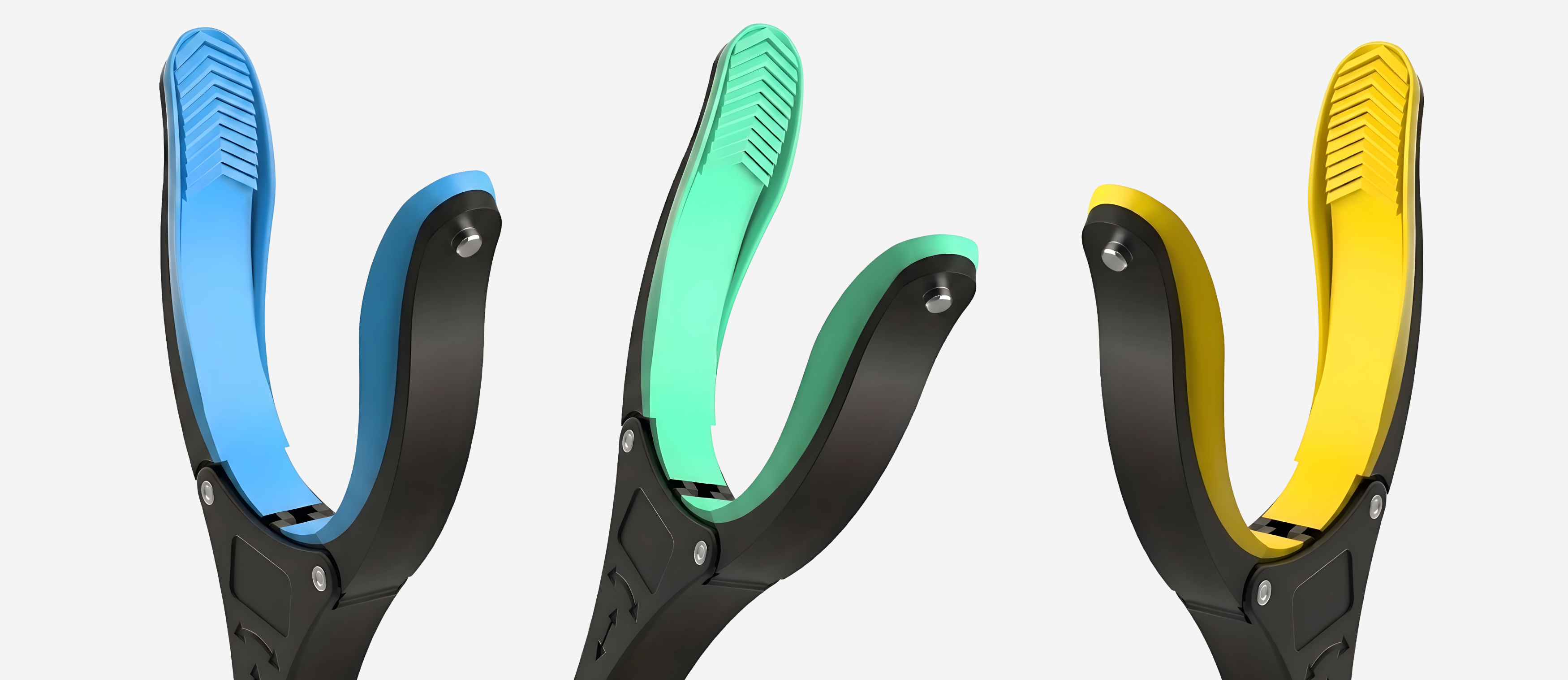
Direct answer: Contracture kitchen adaptive tools work with the limited range of motion -- tools that accommodate the available hand and joint position, electric tools reducing the range of motion demand, and adaptive grips -- alongside contracture management (stretching and range of motion). The GrabbersTool Electric Jar Opener reduces the hand opening and grip range that finger contractures limit during jar opening.
Contractures Kitchen Adaptive Strategy
| Contracture Type | Kitchen Impact | Adaptive Solution |
|---|---|---|
| Hand and finger contractures affecting gripping and manipulation | Hand and finger contractures (from spasticity, immobility, burns, and other causes) limit the range of motion of the hand and fingers -- affecting the ability to open the hand to grasp items (a flexion contracture limits opening the hand), close the hand around items in a controlled way, and manipulate items (the limited finger range affects grasping and handling); the hand and finger contractures affect gripping, grasping, and manipulation of kitchen items; the limited hand range of motion affects the ability to grasp various item shapes and sizes; the hand contractures affect many kitchen hand tasks; the fixed or limited hand position affects the grip | Adaptive tools that work with the available hand range of motion and position (tools that can be gripped or used with the limited hand position -- the hand functions in the available range; tools suited to the contracted hand position); electric jar opener (GrabbersTool) to reduce the hand opening and grip range that finger contractures limit (the electric mechanism reduces the demand on the contracted hand); adaptive grips and utensils suited to the hand position; the adaptations work with the available hand range of motion; contracture management (stretching and range of motion exercises -- important to prevent and manage the contractures, splinting, and surgical release for severe contractures, per the treatment team) can improve or prevent the contractures; occupational and hand therapy for contracture management and adaptive strategies |
| Elbow and other contractures affecting reach and positioning | Elbow contractures (limiting the elbow flexion and extension) affect the reach and positioning of the arm -- limiting the ability to extend the arm to reach (a flexion contracture limits extension) or bring the hand close (an extension contracture limits flexion); the limited elbow range affects the arm reach and positioning for kitchen tasks; other joint contractures (shoulder, and others) affect the relevant movements; the contractures affect the reach and positioning aspects of kitchen tasks; the limited joint range of motion affects the ability to position the arm and hand for tasks; the contractures affect the movements the affected joints would provide | Reacher grabber (GrabbersTool) to compensate for the limited reach from elbow and arm contractures (extending the reach without requiring the full joint range of motion); adaptive strategies that work with the available range of motion; kitchen reorganization to place items within the available reach; the reacher and adaptive strategies compensate for the limited reach and positioning from the contractures; contracture management (stretching and range of motion exercises, splinting, and surgical release for severe contractures, per the treatment team) can improve or prevent the contractures; the adaptations work with the available range while the contractures are managed |
| Contracture management, prevention, and support | Contractures are managed with treatments (stretching and range of motion exercises -- important to prevent and manage contractures by maintaining the range of motion, splinting -- to position the joint and maintain range, and in some cases surgical release for severe contractures) and prevention (maintaining range of motion in at-risk situations -- immobility, spasticity, and others -- to prevent the contractures from developing); the contracture management and prevention can improve the range of motion or prevent worsening; addressing the cause (managing the spasticity, maintaining movement in immobility, and others) helps prevent and manage the contractures; the combination of adaptive tools (working with the available range) and contracture management supports kitchen function; the contracture prevention and management are important alongside the adaptive tools | Contracture management and prevention (stretching and range of motion exercises -- important to maintain and improve the range of motion and prevent contractures; splinting to position the joint and maintain range; and surgical release for severe contractures, per the treatment team); addressing the cause (managing the spasticity -- see the related [[adaptive-tools-spasticity-muscle-stiffness-kitchen]] guide, maintaining movement in immobility, and others -- to prevent and manage the contractures); the adaptive tools work with the available range while the contractures are managed; occupational, hand, and physical therapy for contracture management and adaptive strategies; the combination of adaptive tools and contracture management and prevention supports kitchen function with contractures; the range of motion maintenance is important to prevent worsening |
See the Electric Jar Opener for contractures kitchen grip and hand range support, alongside contracture management.


