

Chronic obstructive pulmonary disease (COPD) and other chronic breathing conditions (including pulmonary fibrosis, bronchiectasis, severe asthma, and other chronic respiratory diseases) cause breathlessness (dyspnea) and reduced exercise capacity that significantly affect the ability to perform physical activities, including kitchen tasks. COPD (encompassing chronic bronchitis and emphysema, most commonly from smoking) involves progressive airflow limitation, air trapping, and impaired gas exchange, causing: breathlessness (especially with exertion -- and in advanced disease, at rest), reduced exercise capacity and endurance, fatigue, chronic cough and sputum, and, in advanced disease, the need for supplemental oxygen. The breathlessness with exertion is the key functional limitation -- physical activities that require energy expenditure cause dyspnea, limiting the activity. Kitchen tasks are a significant energy expenditure that can provoke breathlessness in COPD and breathing conditions: standing and moving in the kitchen, reaching (especially overhead -- arm elevation increases the work of breathing and can provoke dyspnea), carrying items, and sustained meal preparation all require energy and can cause breathlessness. Additionally, certain kitchen activities can be triggers (cooking fumes, steam, and strong odors may provoke breathing symptoms). Energy conservation and breathing management are central to maintaining kitchen function in COPD and breathing conditions. Pulmonary rehabilitation teaches energy conservation and breathing techniques (pursed-lip breathing, paced breathing) that apply to kitchen tasks. Kitchen function is affected by breathlessness with exertion, reduced endurance, and the need to pace and conserve energy.
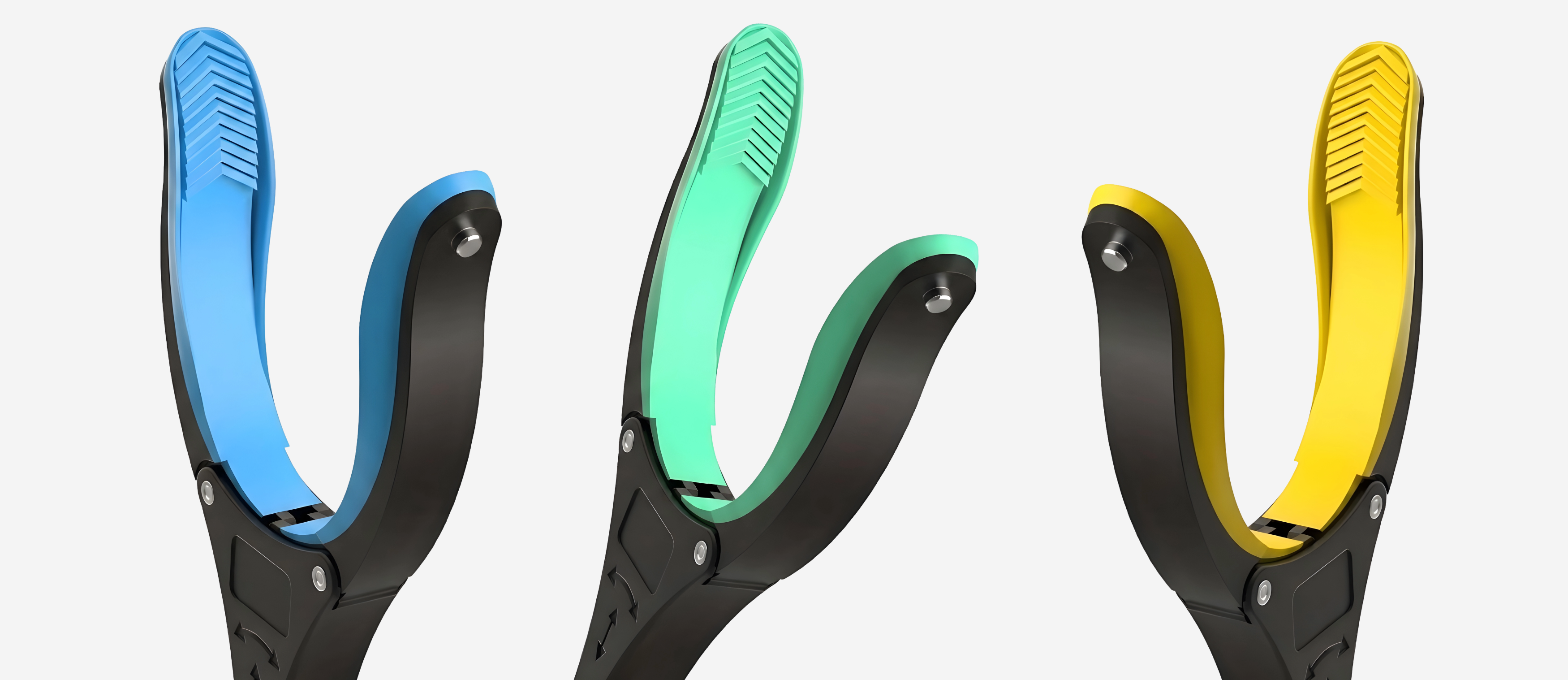
Direct answer: COPD and breathing condition kitchen adaptive tools center on energy conservation to reduce the exertion that provokes breathlessness: reachers to avoid overhead arm reaching (which increases the work of breathing), seated preparation, and effort-reducing electric tools. The GrabbersTool 32-inch Reacher reduces the overhead arm reaching that increases the work of breathing and provokes dyspnea in COPD, and the Electric Jar Opener reduces kitchen exertion.
COPD and Breathing Conditions Kitchen Adaptive Strategy
| Respiratory Feature | Kitchen Impact | Adaptive Solution |
|---|---|---|
| Breathlessness with exertion and overhead arm reaching | COPD and breathing condition breathlessness is provoked by exertion -- kitchen tasks that require energy (standing, moving, carrying, and especially overhead arm reaching) provoke dyspnea; overhead arm elevation is particularly significant because raising the arms increases the work of breathing (the accessory breathing muscles of the shoulder girdle are used for both arm elevation and breathing, and arm elevation can provoke dyspnea in COPD -- unsupported arm activities are a known dyspnea trigger); reaching overhead into kitchen cabinets provokes breathlessness; the exertion of kitchen tasks limits the activity by causing dyspnea; the breathlessness is the primary functional limitation in the kitchen | Reacher grabber (GrabbersTool 32-inch) to retrieve overhead and high kitchen items without the arm elevation that increases the work of breathing and provokes dyspnea in COPD -- reducing a key kitchen dyspnea trigger; kitchen reorganization to place frequently used items at accessible heights (avoiding overhead reaching); the reacher reduces the breathlessness-provoking overhead arm activity; energy conservation for the exertion that provokes dyspnea; breathing techniques (pursed-lip breathing, paced breathing) during kitchen tasks per pulmonary rehabilitation |
| Reduced endurance and energy conservation | COPD and breathing conditions reduce exercise capacity and endurance -- sustained kitchen activity (meal preparation) provokes breathlessness and fatigue, limiting the duration and intensity of kitchen tasks; the reduced endurance means kitchen tasks must be paced and energy conserved; the breathlessness and fatigue limit sustained kitchen work; energy conservation (a core principle taught in pulmonary rehabilitation) is central to maintaining kitchen function -- balancing activity with breathlessness and fatigue; the goal is to accomplish kitchen tasks within the available energy and breathing capacity | Energy conservation kitchen strategies for COPD (seated kitchen preparation to reduce the exertion and breathlessness of standing; pace kitchen tasks with rest breaks; break tasks into manageable segments; sit to work; organize the kitchen to minimize movement and reaching; batch cooking during better periods; simple meals); electric jar opener (GrabbersTool) and electric appliances to reduce kitchen physical exertion and dyspnea; breathing techniques during exertion (pursed-lip breathing); coordinate breathing with activity (exhale during the effort); the energy conservation reduces the exertion and breathlessness of kitchen tasks |
| Oxygen, triggers, and comprehensive respiratory kitchen support | Advanced COPD and breathing conditions may require supplemental oxygen -- managing oxygen tubing during kitchen tasks (avoiding tripping on tubing, ensuring adequate tubing length for kitchen mobility) is a consideration; certain kitchen activities can trigger breathing symptoms (cooking fumes, smoke, steam, strong odors, and gas stove combustion products may provoke symptoms -- ventilation is important); the kitchen is central to nutrition (adequate nutrition is important in COPD, where the work of breathing increases caloric needs and some patients are underweight, while others need weight management); pulmonary rehabilitation and respiratory management support overall function; the comprehensive approach combines energy conservation, breathing techniques, and respiratory management | Manage supplemental oxygen during kitchen tasks (adequate tubing length for kitchen mobility, avoid tripping on tubing, keep oxygen away from the stove flame -- oxygen and open flames are a fire hazard, so use caution with gas stoves and cooking; electric or induction cooktops are safer with oxygen); kitchen ventilation to reduce fume, smoke, and steam triggers (range hood, ventilation; avoid strong odors and smoke); adequate nutrition (the kitchen supports COPD nutrition -- adequate calories and protein); pulmonary rehabilitation for energy conservation and breathing techniques; the comprehensive support combines the adaptive tools, energy conservation, breathing techniques, oxygen safety, and respiratory management for COPD kitchen function |
See the 32-inch Reacher for COPD and breathing conditions kitchen overhead reach and energy conservation support.


