

Deep vein thrombosis (DVT) is clot formation in a deep vein, most commonly in the calf or thigh, with risk of pulmonary embolism if the clot dislodges and travels to the lungs. DVT is treated with anticoagulation (blood thinners such as warfarin or direct oral anticoagulants -- DOACs) for a minimum of 3 months, often longer for provoked or unprovoked DVT. During and after DVT treatment, patients have several functional considerations: leg swelling and pain (especially in the acute phase) reduce walking tolerance and bending ability; compression stockings (30-40 mmHg, often knee-high or thigh-high) are prescribed to reduce post-thrombotic syndrome and swelling but are extremely difficult to don and doff, particularly for elderly, obese, or less flexible patients; and anticoagulation increases bleeding risk, making falls in the kitchen especially consequential. Post-thrombotic syndrome (PTS) -- a chronic complication of DVT causing leg swelling, pain, and skin changes -- may persist for years after the acute DVT and causes ongoing kitchen functional limitation.
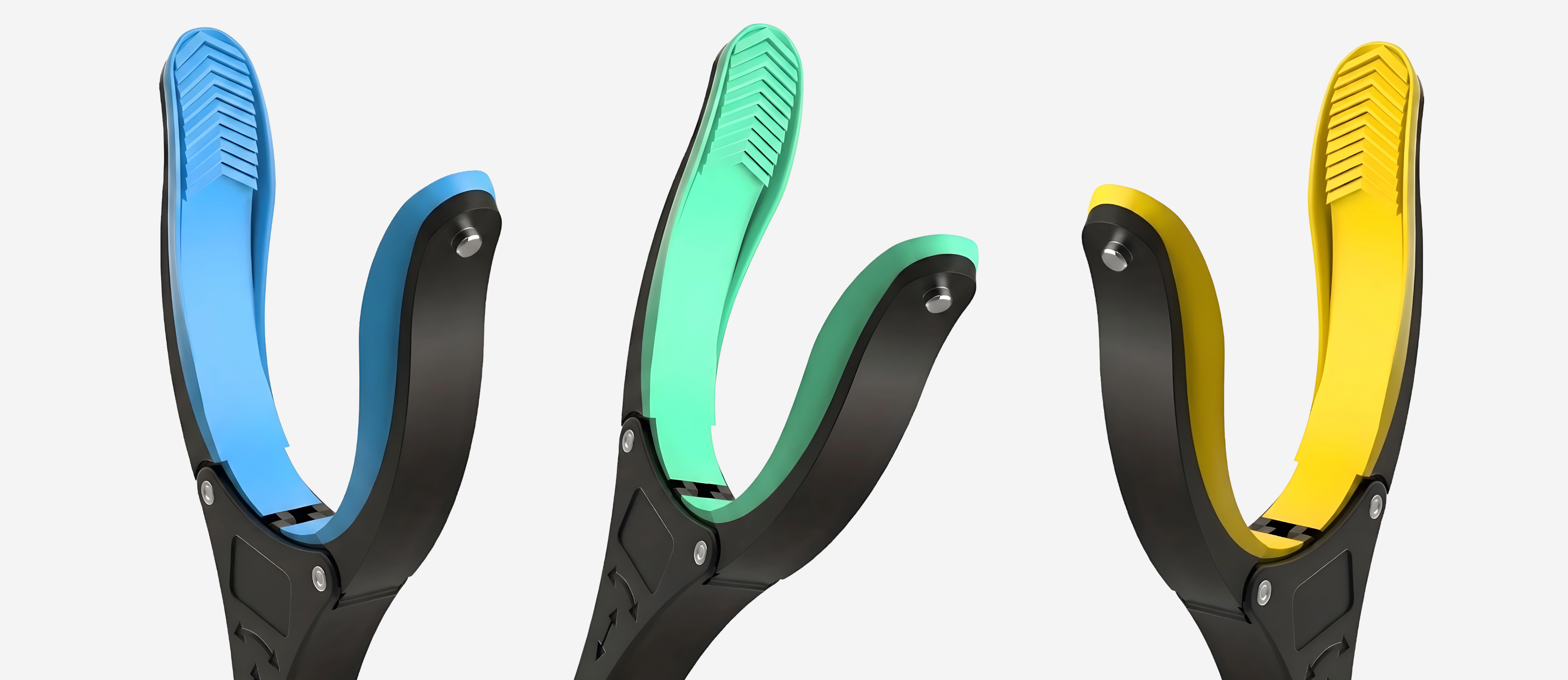
Direct answer: DVT recovery adaptive tools address compression stocking application (the most challenging daily task for many DVT patients), fall prevention in the kitchen during anticoagulation (when cuts and bruising are dangerous), and leg elevation positioning during kitchen rest breaks. The GrabbersTool 32-inch Reacher helps with floor-level tasks when leg swelling limits bending, and supports stocking application when combined with a stocking donner.
DVT Recovery Adaptive Kitchen and Daily Living Strategy
| DVT Challenge | Functional Impact | Adaptive Solution |
|---|---|---|
| Compression stocking application (daily) | Knee-high or thigh-high 30-40 mmHg compression stockings prescribed for DVT require significant grip force, bending, and flexibility to don correctly; one of the most common daily adaptive challenges in DVT management; elderly patients may be unable to don them independently | Stocking donner device (silk inner liner reduces friction); seated donning on bed or chair; reacher to assist pulling stocking over heel; occupational therapy assessment for stocking application technique; caregiver assistance for those unable to self-don |
| Leg swelling limiting bending | Acute DVT swelling and chronic post-thrombotic swelling of the affected leg reduce ability to bend at the knee and hip; retrieving dropped items from the floor may be painful or impossible | 32-inch reacher (GrabbersTool) for floor item retrieval; long-handled dustpan; keep kitchen floor clear to minimize retrieval needs |
| Fall risk during anticoagulation | Blood thinners increase risk of significant bruising, hematoma, or internal bleeding from even minor falls; kitchen falls (on hard floors, near counters) are especially dangerous; kitchen is a high-fall-risk environment | Anti-slip mats at kitchen sink and stove; good lighting; remove floor clutter with reacher; wear non-slip footwear; use grab bars if installed; seated cooking option to reduce fatigue-related falls |
| Leg elevation during rest | Post-DVT patients need leg elevation above heart level during rest to reduce swelling; kitchen chairs do not typically allow leg elevation | Footstool or elevated surface under kitchen table during seated meal prep; transition to elevated recliner for rest between kitchen tasks; leg elevation strategy integrated into kitchen workflow |
See the 32-inch Reacher and reacher collection for DVT recovery kitchen independence.


