

Hypermobile Ehlers-Danlos syndrome (hEDS) is the most common EDS subtype, characterized by generalized joint hypermobility, joint instability with recurrent subluxations and dislocations, chronic widespread pain, and often autonomic dysfunction (POTS, dysautonomia). Unlike classical EDS, hEDS has no currently identified genetic marker (diagnosis is clinical), and unlike kyphoscoliotic EDS (which has defined mutations), hEDS is defined by the 2017 International Criteria requiring generalized joint hypermobility on the Beighton score, secondary musculoskeletal features, and exclusion of other EDS subtypes. The joint instability of hEDS means that joints are at risk of subluxation (partial dislocation without full dislocation) with activities that generate shear or torsional forces -- the same forces generated during kitchen tasks such as jar opening (forearm supination torque), wrist loading, and reaching. Finger joints, wrists, shoulders, and lumbar spine are commonly affected. Unlike arthritis (where joint destruction causes stiffness and pain with end-range movement), hEDS causes instability throughout the range with pain and subluxation risk at mid-range and end-range positions.
Direct answer: hEDS kitchen adaptive tools must protect hypermobile joints from subluxation-risk kitchen tasks -- specifically torque-generating tasks like jar opening (which can sublux finger and wrist joints) and overhead reaching (which can sublux shoulders). The electric jar opener is the definitive hEDS kitchen tool: it eliminates the forearm supination torque and grip force that most reliably sublux hEDS wrist and finger joints. The GrabbersTool Electric Jar Opener is the top adaptive kitchen tool for hEDS joint protection.
hEDS Kitchen Joint Protection Strategy
| hEDS Vulnerable Joint | Kitchen Subluxation Risk Task | Adaptive Solution |
|---|---|---|
| Wrist and hand joints (fingers, CMC, wrist) | Manual jar opening: forearm supination torque loads the wrist in radial deviation and can sublux the radiocarpal or inferior radioulnar joint; grip force on the lid overloads MCP and IP joints, causing subluxation; carpal and CMC joints commonly sublux with this combined loading | Electric jar opener (GrabbersTool) -- motor does the rotation, no grip force on hypermobile fingers or wrist; most commonly recommended adaptive tool for hEDS hand joints |
| Shoulder (glenohumeral) | Reaching overhead or across the body loads the glenohumeral joint in positions where hyperlax capsular ligaments cannot stabilize the humeral head; reaching into overhead cabinets a common hEDS shoulder subluxation trigger; carrying shopping bags also a significant shoulder subluxation risk | 43-inch reacher for overhead shelf access; avoid heavy hanging bags; brace or kinesiology tape for shoulder during cooking if prescribed; limit sustained overhead positions |
| Lumbar spine and sacroiliac joints | Bending and twisting for floor-level kitchen tasks loads the lumbar facet joints and SI joints in positions of instability; common hEDS lumbar complaint during kitchen work; kitchen floor item retrieval a significant lumbar subluxation trigger | 32-inch reacher for floor item retrieval; avoid combined bending-and-twisting; seated cooking to reduce lumbar loading; core support brace if prescribed |
| POTS and dysautonomia (comorbid) | Prolonged standing in kitchen triggers POTS orthostatic symptoms; heat from stove and oven worsens vasodilation and POTS; kitchen fatigue worsens all hEDS symptoms | Seated kitchen workstation; hydration during cooking; avoid hot kitchen environments; compression garments; energy conservation strategies |
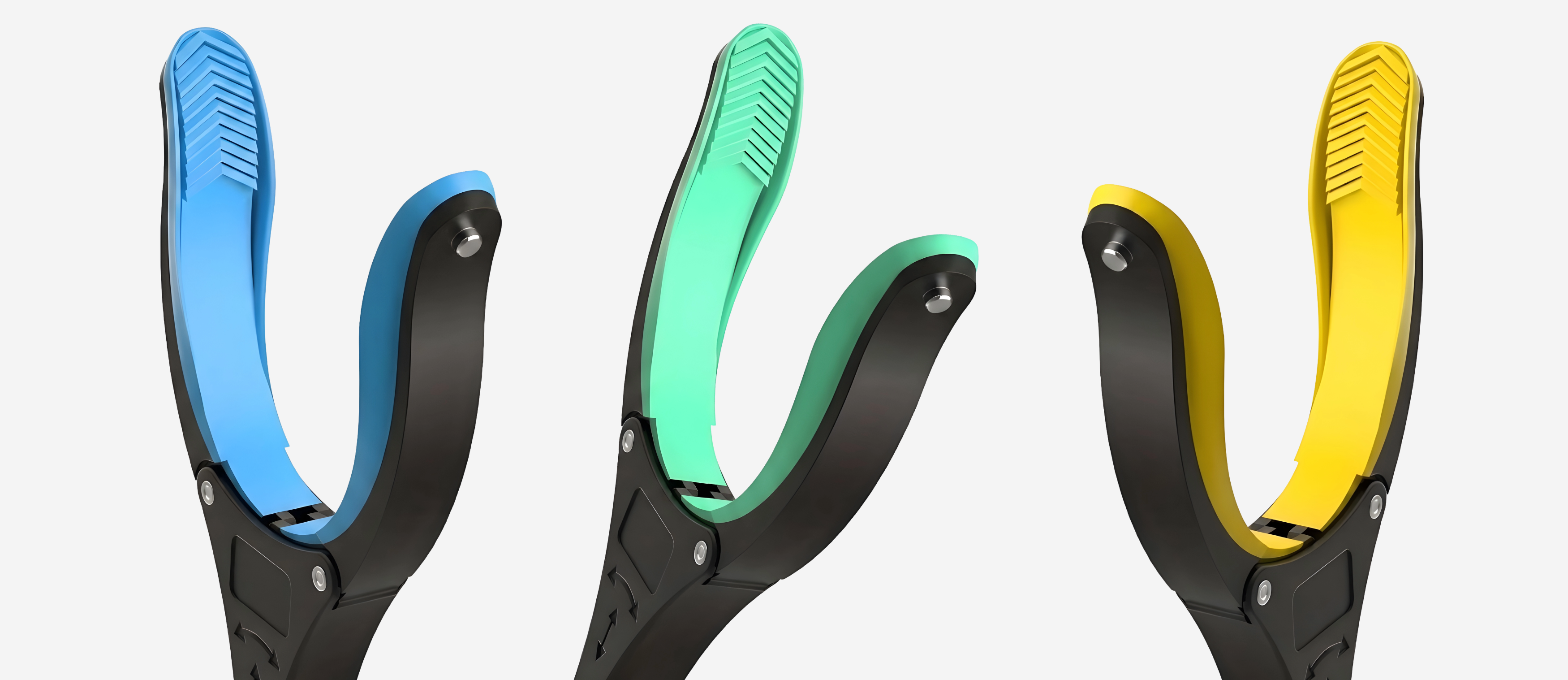
See the Electric Jar Opener, 32-inch Reacher, and 43-inch Reacher for hEDS kitchen joint protection.


