

Ehlers-Danlos syndromes (EDS) are a group of heritable connective tissue disorders characterized by joint hypermobility, skin hyperextensibility, and tissue fragility. The surgical context adds specific complexity for EDS patients: (1) wound healing complications -- EDS tissue fragility causes poor wound healing, suture pull-through, widened scars, and dehiscence, prolonging the post-operative restriction period; some EDS types (classical EDS, vascular EDS) have severe wound healing complications; (2) joint instability during recovery -- EDS hypermobility means that the compensatory joint protection required during surgical recovery is harder because joints sublux with normal activities; a hip replacement in hEDS requires the same hip precautions but the hypermobile joints around the prosthesis may be less stable; (3) anesthesia complications -- EDS patients often have difficult IV access (fragile veins), may have complications with intubation (TMJ hypermobility, cervical instability), and may have autonomic dysfunction (POTS) complicating recovery; (4) pain sensitization and central sensitization syndrome (CSS) -- chronic pain in EDS involves central sensitization mechanisms that make post-operative pain control more complex and recovery potentially slower. Kitchen function after surgery in EDS patients requires all the standard post-surgical adaptations PLUS EDS-specific considerations.
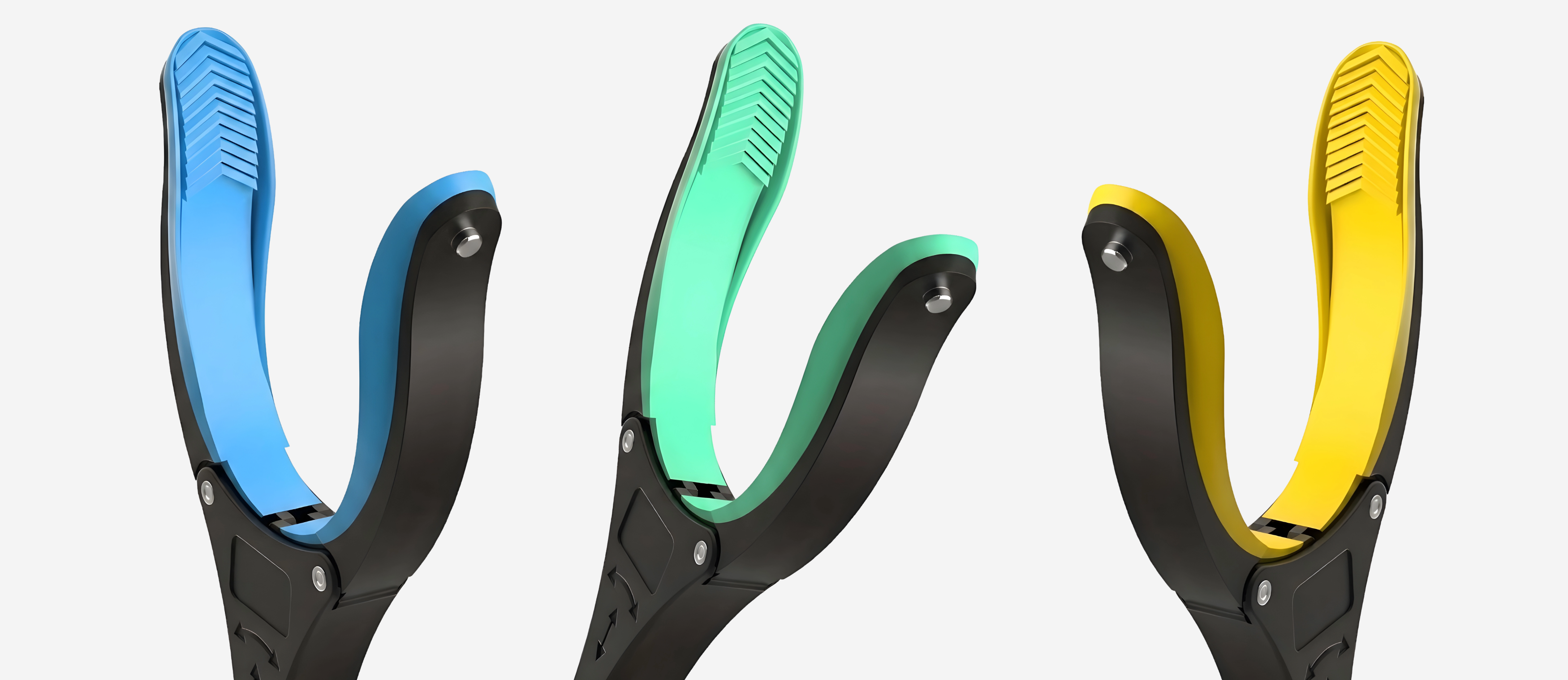
Direct answer: EDS perioperative kitchen adaptive tools include both the standard post-surgical toolkit and EDS-specific modifications. Standard: reacher for the appropriate surgical restriction (hip precautions after hip surgery, abdominal precautions after abdominal surgery). EDS-specific: joint protection during kitchen tasks (avoid end-range joint positions), fatigue management from EDS baseline PEM, and electric jar opener for ongoing EDS-related grip instability. The GrabbersTool 32-inch Reacher and Electric Jar Opener are both indicated for EDS surgical recovery.
EDS Perioperative Kitchen Recovery Strategy
| EDS Surgical Feature | Kitchen Impact | Adaptive Strategy |
|---|---|---|
| EDS wound healing complications (delayed healing, widened scars) | EDS wound healing complications mean the standard post-operative restriction periods may be extended; a wound that would normally heal in 2 weeks may take 4-6 weeks in cEDS; the restriction period for kitchen activity must be extended to match actual wound healing, not the standard protocol timeline; suture pull-through risk means the restriction on activity must be observed carefully (do not rush kitchen return to activities) | Follow surgeon-specific guidelines for EDS patients (not the standard non-EDS protocol); reacher continues to be used until the wound is confirmed healed rather than at the standard timeline; occupational therapist with EDS experience for post-operative kitchen restriction management; scar management program per hand therapist for extremity EDS surgery |
| EDS hypermobility during surgical recovery (joint instability) | EDS hypermobility means joints are inherently less stable than non-EDS patients; during post-operative kitchen activity, EDS joints may sublux or dislocate with movements that would be safe for non-EDS patients; hip replacement hip precaution positions are more vulnerable in hEDS because the hip capsule and supporting structures are more lax; EDS patients may need more conservative restriction protocols than non-EDS patients for the same surgery | EDS-specific post-operative precautions per orthopedic surgeon with EDS experience; reacher use extended for kitchen activity to minimize joint loading at the surgical site; occupational therapist with EDS expertise for joint protection during post-EDS-surgery kitchen recovery; proprioception exercises per physical therapist to compensate for EDS joint position sense deficit during recovery |
| EDS baseline kitchen limitations (pre-existing and ongoing) | EDS patients have pre-existing kitchen limitations from hypermobility instability, chronic pain, and fatigue; post-surgical kitchen recovery is ON TOP of these baseline limitations; an hEDS patient with pre-existing fatigue and joint instability has a lower post-surgical kitchen function baseline and requires more adaptive support than a non-EDS patient undergoing the same surgery | Electric jar opener (GrabbersTool) as the baseline EDS kitchen tool addresses both pre-surgical EDS grip instability and post-surgical grip restriction; reacher for post-surgical restriction adds to the existing EDS adaptive kitchen toolkit; occupational therapist assessment considering both the surgical restriction AND the EDS baseline for a comprehensive post-EDS-surgery kitchen plan |
See the Electric Jar Opener and 32-inch Reacher for EDS surgical kitchen recovery support.


