

Frontotemporal dementia (FTD) encompasses a group of neurodegenerative disorders affecting the frontal and temporal lobes, characterized by changes in behavior, personality, and language rather than memory (unlike Alzheimer disease). The behavioral variant (bvFTD) is the most common FTD subtype, presenting with disinhibition (socially inappropriate behavior), apathy, compulsive/repetitive behaviors, executive dysfunction, and hyperphagia (excessive eating, food cravings, preference for sweet and carbohydrate-rich foods). Language-variant FTD includes semantic variant primary progressive aphasia (svPPA) and nonfluent variant PPA (nfvPPA). Kitchen function in bvFTD is uniquely challenging because the primary impairment is behavioral and executive, not physical: the FTD patient may be physically capable of cooking but make dangerous kitchen decisions due to impulsivity and impaired judgment; hyperphagia drives compulsive eating and kitchen foraging behavior; executive dysfunction makes multi-step cooking sequences unreliable; disinhibition may lead to dangerous kitchen behaviors (leaving the stove on, eating raw or expired food without recognizing the safety risk). bvFTD kitchen management is primarily a caregiver challenge -- restricting unsafe kitchen access while managing hyperphagia and behavioral symptoms.
Direct answer: Frontotemporal dementia kitchen safety is a behavioral management challenge. The physically capable FTD patient may make dangerous kitchen decisions due to impulsivity and impaired judgment. Kitchen safety strategies focus on access restriction (stove locks, knife storage, refrigerator locks for hyperphagia) and caregiver supervision rather than adaptive physical tools.
Frontotemporal Dementia Kitchen Safety Strategy
| bvFTD Feature | Kitchen Safety Risk | Safety Strategy |
|---|---|---|
| Hyperphagia (compulsive eating behavior) | bvFTD hyperphagia causes excessive food seeking, eating large quantities rapidly, eating non-food items (pica behavior in some cases), eating expired or unsafe food without recognition of the risk, and raiding the refrigerator and pantry at night; food safety risks from eating undercooked or expired food; aspiration risk from rapid eating; weight gain from excessive caloric intake | Refrigerator and pantry locks to limit unsupervised hyperphagia; remove or lock away unsafe food items; structured mealtimes with caregiver supervision; speech-language pathologist for aspiration risk from rapid eating; nutritionist guidance on managing bvFTD hyperphagia safely; alarms on the refrigerator door to alert caregiver of nighttime kitchen foraging |
| Impulsivity and disinhibition (dangerous kitchen decisions) | bvFTD impulsivity means the patient acts without considering consequences; in the kitchen: leaving the gas stove on without noticing; using a sharp knife carelessly; reaching into a hot oven without protection; trying to eat hot food directly off the stove; making dangerous kitchen decisions that intact judgment would prevent; the behavioral symptoms are more dangerous than the cognitive symptoms for kitchen safety in early bvFTD | Automatic stove shut-off device or induction cooktop (no open flame); knife storage in locked drawer; caregiver supervision for all stovetop and oven use; simplify kitchen environment to reduce opportunities for dangerous decisions; occupational therapist bvFTD kitchen risk assessment |
| Executive dysfunction (multi-step cooking impairment) | FTD executive dysfunction impairs the planning and sequencing of multi-step cooking tasks; the patient may start a recipe and lose track of the steps; leave food on the stove while distracted; use incorrect quantities or substitute dangerous ingredients; the executive dysfunction in FTD is often severe and early compared to Alzheimer disease | Restrict unsupervised kitchen cooking to very simple, single-step tasks; microwave reheating rather than stovetop cooking (lower hazard); caregiver-prepared meals; visual recipe cards with very simple steps if any cooking retained; automatic appliances (slow cooker with auto shut-off) reduce open-flame exposure |
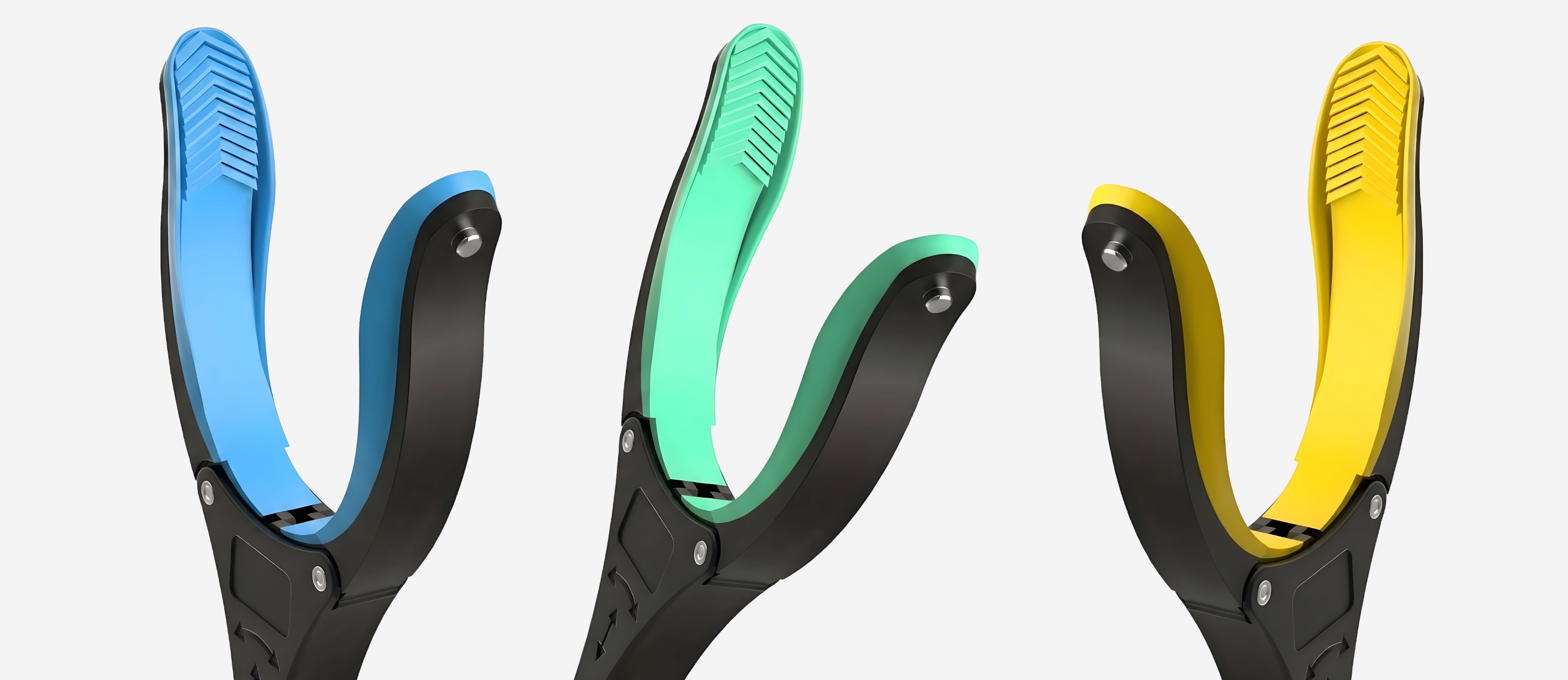
See the 32-inch Reacher for frontotemporal dementia caregiver kitchen safety support.


