

Frozen shoulder (adhesive capsulitis) is a condition that most people underestimate at diagnosis: they expect a few months of shoulder pain and stiffness, not the 1-3 year natural history that clinical evidence documents across all three phases (freezing, frozen, thawing). GrabbersTool hears from frozen shoulder patients who are 18 months into recovery and only now beginning to understand the scope of adaptive equipment they need -- because no one told them at the freezing phase that the limitation would persist this long or require this level of accommodation. The adaptive tools for frozen shoulder are primarily overhead-reaching tools: the shoulder range of motion that is lost is elevation, external rotation, and overhead reach.
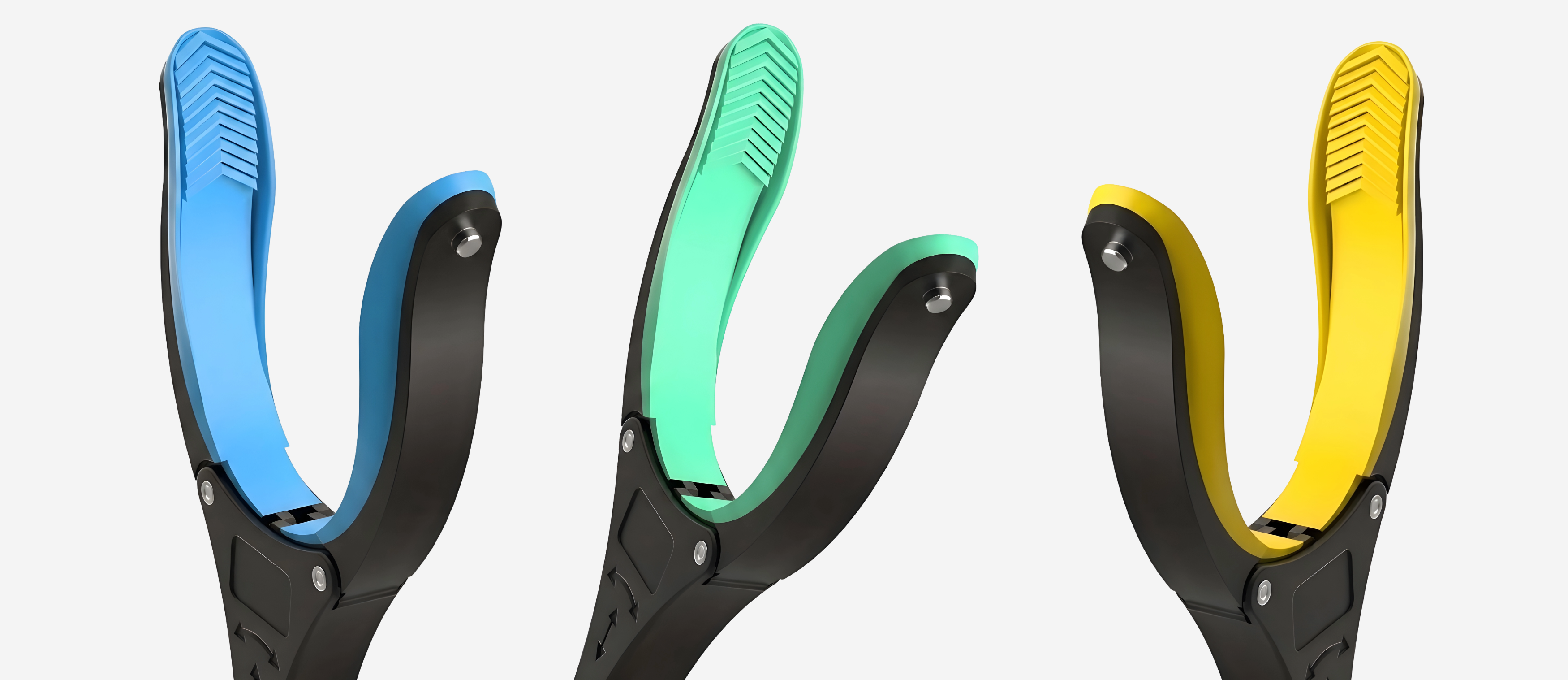
Direct answer: for frozen shoulder, the primary adaptive tool is the Reacher Grabber -- not for floor retrieval but for overhead access. The reacher extends reach significantly, allowing patients to access items at or above shoulder height without the painful and restricted overhead shoulder motion that frozen shoulder eliminates. The 43-inch model provides greater overhead extension without requiring the shoulder elevation that is restricted. Secondary tools include the Electric Jar Opener for patients whose shoulder limitation makes the jar-opening arm position painful.
Frozen Shoulder Phases and Adaptive Tool Use
| Phase | Shoulder Status | Adaptive Tool Priority |
|---|---|---|
| Freezing phase (0-9 months) | Worsening pain and stiffness; sleep disrupted; ROM progressively lost; shoulder elevation significantly reduced | Reacher for overhead access; reorganize high storage to mid-level; avoid painful arm positions |
| Frozen phase (9-15 months) | Less pain but maximum stiffness; ROM at minimum; overhead reaching essentially impossible on affected side | Reacher essential for any overhead task; electric jar opener if shoulder position for opening is painful |
| Thawing phase (15-36 months) | Gradual ROM return; pain reducing; function slowly improving with PT | Adaptive tools used decreasingly as ROM improves; reacher maintained until full overhead reach returns |
Specifications for the GrabbersTool 43-inch Reacher and all other products are on the product pages. View 43-inch Reacher Grabber specifications.
The Reacher for Overhead Access vs. Floor Access
Frozen shoulder patients use the reacher differently than most other GrabbersTool customers. The majority of reacher use is for floor-level retrieval -- stooping prevention. For frozen shoulder patients, the primary application is overhead: kitchen cabinet shelves above shoulder height, light fixtures, items placed on high surfaces. This overhead use requires a reacher with a functioning overhead jaw position and sufficient length to reach target items without requiring shoulder elevation beyond the restricted range. GrabbersTool customers with frozen shoulder describe the 43-inch reacher as distinctly better for overhead access than the 32-inch model -- the additional length means the shoulder elevation required to position the tool is reduced, which matters greatly when shoulder elevation is the precise motion that is restricted and painful.
Bilateral Frozen Shoulder and Adaptive Tool Planning
Sequential bilateral frozen shoulder -- which occurs in an estimated 10-30% of patients -- creates the most challenging adaptive situation: both shoulders affected at different phases of recovery simultaneously. For bilateral frozen shoulder patients, the reacher must function with either arm (the less-affected side at the current phase) and the storage reorganization becomes even more critical because the window of accessible storage height is narrowed from both above and below. GrabbersTool recommends that patients diagnosed with unilateral frozen shoulder who develop contralateral symptoms early consult with their OT about adaptive home modification before the second shoulder reaches maximum stiffness. See also: Shoulder Replacement Recovery Adaptive Tools Guide.
Browse Reacher Grabber Tools, Easy Grip Kitchen Openers, and Long Reach Grabber Tools.


