

Guillain-Barre syndrome (GBS) is an acute immune-mediated peripheral neuropathy causing rapid ascending weakness (beginning in the legs and ascending to the trunk, arms, and potentially respiratory muscles) that reaches its nadir within 4 weeks. Approximately 25% of GBS patients require mechanical ventilation for respiratory failure; virtually all patients are hospitalized acutely and many require ICU care. After the acute phase, GBS enters a plateau and then a recovery phase -- but recovery is slow (months to 1-2 years) and often incomplete: approximately 20% of GBS patients have significant residual disability at one year. The kitchen return trajectory in GBS follows the recovery curve: patients may return from the hospital with profound lower and upper extremity weakness, progressing to improved strength over months. The GBS kitchen return requires adaptive equipment matched to the patient current strength level -- tools appropriate for the early recovery phase (minimal grip and standing strength) differ from tools for the late recovery phase (near-normal but reduced strength and endurance).
Direct answer: GBS recovery kitchen adaptive tools must be matched to the current weakness level, which changes over the months of recovery. Early GBS recovery (profound weakness) requires maximum assistance tools and caregiver kitchen support; late GBS recovery requires tools that compensate for residual weakness and fatigue. The electric jar opener is appropriate throughout the GBS recovery arc: it compensates for grip weakness at all stages. The GrabbersTool Electric Jar Opener is appropriate from early recovery (when grip is minimal) through late recovery (when grip is recovering but fatigues easily).
GBS Recovery Stage and Kitchen Adaptive Strategy
| GBS Recovery Stage | Typical Strength Level | Kitchen Adaptive Strategy |
|---|---|---|
| Early recovery (weeks 1-8 post-nadir, home discharge) | Severe proximal and distal weakness; cannot grip firmly; walking with walker or wheelchair; severe fatigue with any activity; may not be able to stand at kitchen counter without support | Caregiver assistance for most kitchen tasks; seated kitchen workstation essential; electric jar opener for any opening tasks; microwave-only cooking to minimize stove safety risks; OT home visit for kitchen assessment at discharge |
| Mid recovery (months 2-6) | Strength improving; may be walking without walker; grip force present but reduced; fatigue major limiting factor; may be able to cook simple meals with rest breaks | Electric jar opener for all jar tasks; lightweight cookware; seated prep with standing cook option; frequent rest breaks; reacher for floor items if standing tolerance limited; energy conservation cooking strategies |
| Late recovery (months 6-24) | Near-normal strength in many cases; residual fatigue (GBS fatigue may persist years); residual neuropathic pain; return to most kitchen function with endurance limitation | Electric jar opener for high-effort tasks on fatigued days; normal kitchen function recovery for most tasks; awareness of residual endurance limitation; OT for final kitchen independence assessment; reacher available for high-fatigue days |
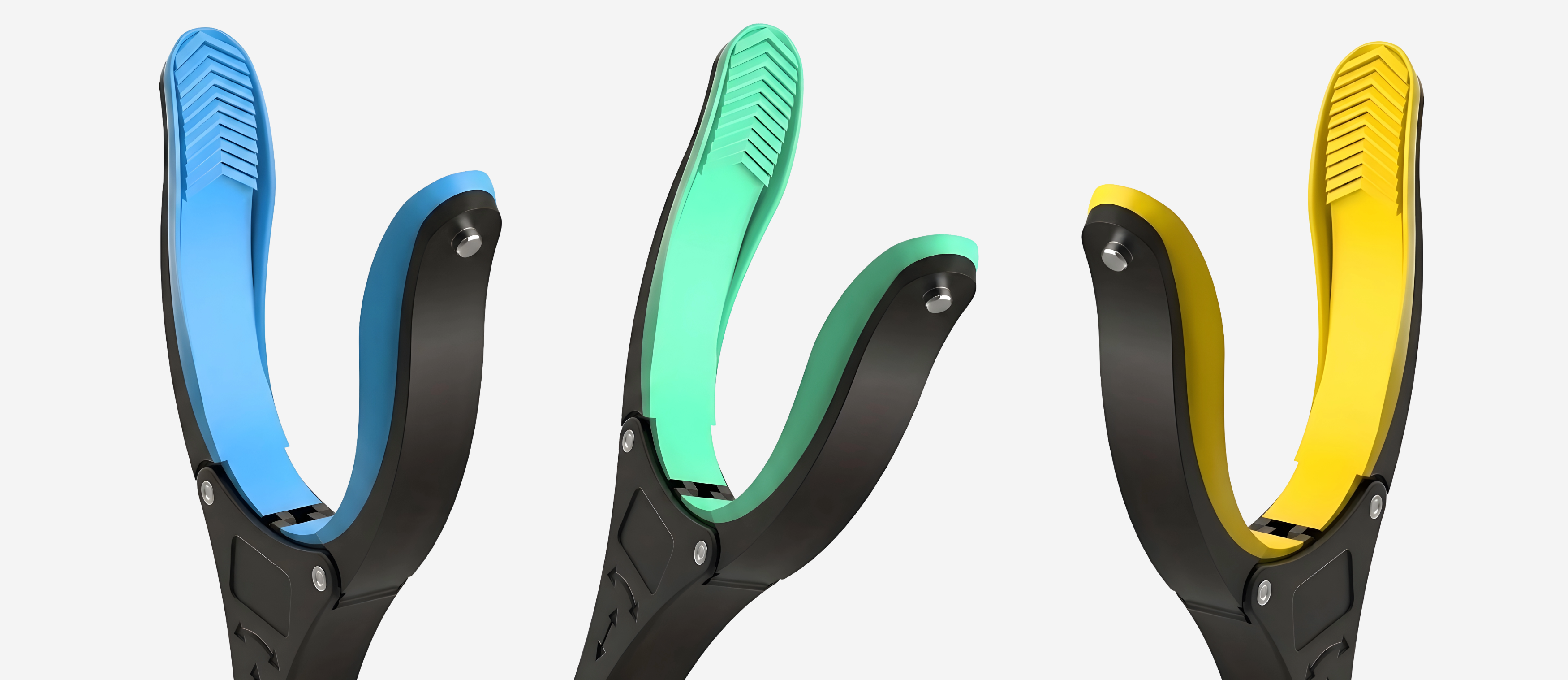
See the Electric Jar Opener and 32-inch Reacher for GBS recovery kitchen support at all stages.


