

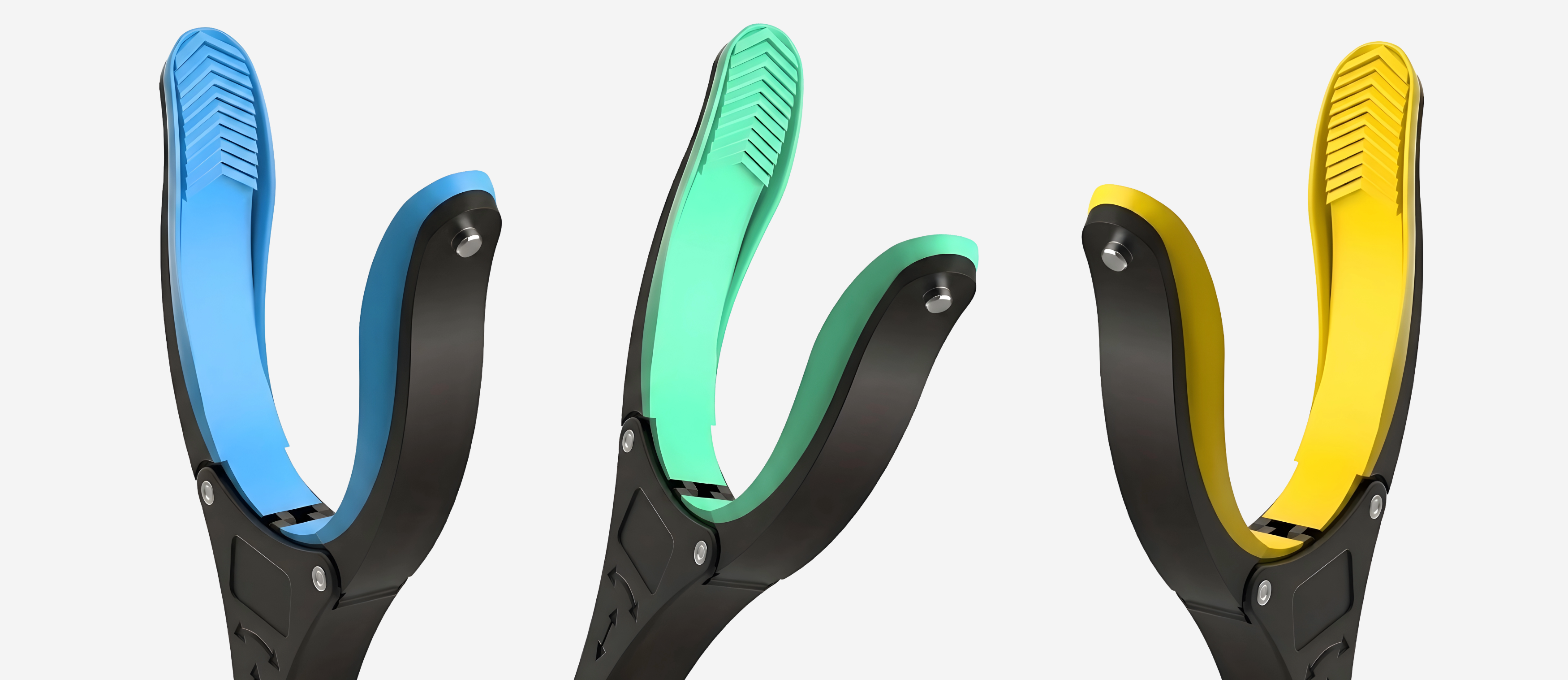
Hand tremor affects kitchen function in proportion to the precision and stability demands of the specific task. Understanding which kitchen tasks are highest-risk for tremor allows targeted adaptive tool selection rather than a global restriction from kitchen activities. The most tremor-sensitive kitchen tasks are those requiring sustained precise positioning (pouring from a container), tasks where oscillation around the target causes injury risk (using a sharp knife toward the hand), and tasks where the item being held is fragile or hot (carrying a full cup of hot liquid). Tasks with low tremor sensitivity include those where the object position is stable and the tremor oscillation is within the margin of error (pushing a button, placing an item on a flat surface, using a cutting board with a suction base).
Direct answer: Hand tremor adaptive kitchen tools are ranked by how much they reduce risk in the highest-tremor-risk tasks. The electric jar opener is the highest-priority tool: it converts a sustained precision rotation task (extremely tremor-sensitive) into a simple placement and button press (low tremor sensitivity). Pouring aids (kettle tippers, pot pourers, ladle rests) address the second highest-risk task. The reacher is not tremor-specific but reduces the need to carry items in the kitchen during movement (carrying while walking is very tremor-amplifying). The GrabbersTool Electric Jar Opener addresses the highest-priority tremor kitchen risk.
Kitchen Task Tremor Risk and Adaptive Tool Priority
| Kitchen Task | Tremor Risk Level | Adaptive Solution |
|---|---|---|
| Opening jar lids by hand | Very high: sustained precision grip and rotation; oscillation causes lid to slip; wrist torque amplifies tremor | Electric jar opener -- converts to button press; eliminates sustained rotation entirely; highest priority tremor kitchen tool |
| Pouring hot liquid (kettle, pots) | Very high: burn risk if tremor causes spill during pouring; sustained arm position while liquid flows | Kettle tipper on base; use ladle to transfer liquids instead of pouring; fill cups using a measuring cup and ladle; never carry a full kettle across the kitchen |
| Carrying a full cup or bowl | High: tremor causes spilling; hot liquid is a burn risk; walking amplifies tremor | Use a mug with a lid; carry half-full and refill; use a kitchen cart to roll items rather than carrying; reacher can move lightweight items without carrying |
| Using a sharp knife | High: tremor oscillation during cutting can redirect knife toward fingers | Food processor or electric chopper instead of knife; cut-resistant gloves; cutting board with food spike stabilizer; avoid freehand knife work if tremor is severe |
| Pressing buttons and placing items | Low: requires only placement to a stable surface; tremor does not prevent button operation | Standard kitchen tasks at low risk; electric jar opener button operation well within tremor tolerance; microwave and appliance button use typically manageable |
Browse the adaptive kitchen collection and the Electric Jar Opener for tremor kitchen safety.


