

Hip osteoarthritis (hip OA) is a common cause of hip pain and functional limitation, particularly in older adults, involving progressive degradation of the articular cartilage of the hip joint (the ball-and-socket joint between the femoral head and acetabulum), with subchondral bone changes, osteophyte formation, and joint space narrowing. Hip OA risk factors include age, prior hip injury or abnormality (developmental hip dysplasia, femoroacetabular impingement, prior fracture), obesity, and genetics. Symptoms: hip pain (classically felt in the groin, but also in the buttock, thigh, or referred to the knee -- worse with weight-bearing, walking, and hip movement), stiffness (morning stiffness of short duration and stiffness after inactivity), reduced hip range of motion (loss of internal rotation is often earliest, then flexion, abduction, and other motions), and functional limitation (difficulty with walking, stairs, putting on shoes and socks, getting in and out of chairs, and bending). Hip OA is a leading indication for total hip arthroplasty in advanced cases. Kitchen function in hip OA is affected by: reduced hip flexion and bending (difficulty bending forward and down to reach low kitchen items, low cabinets, and the floor -- hip flexion is needed to bend), pain with standing and walking (weight-bearing kitchen tasks provoke hip pain, limiting standing tolerance and mobility), difficulty rising from seated positions (getting up from kitchen chairs loads the hip), and reduced mobility (walking and navigating the kitchen provoke hip pain). The bending limitation and standing pain are the primary kitchen impacts.
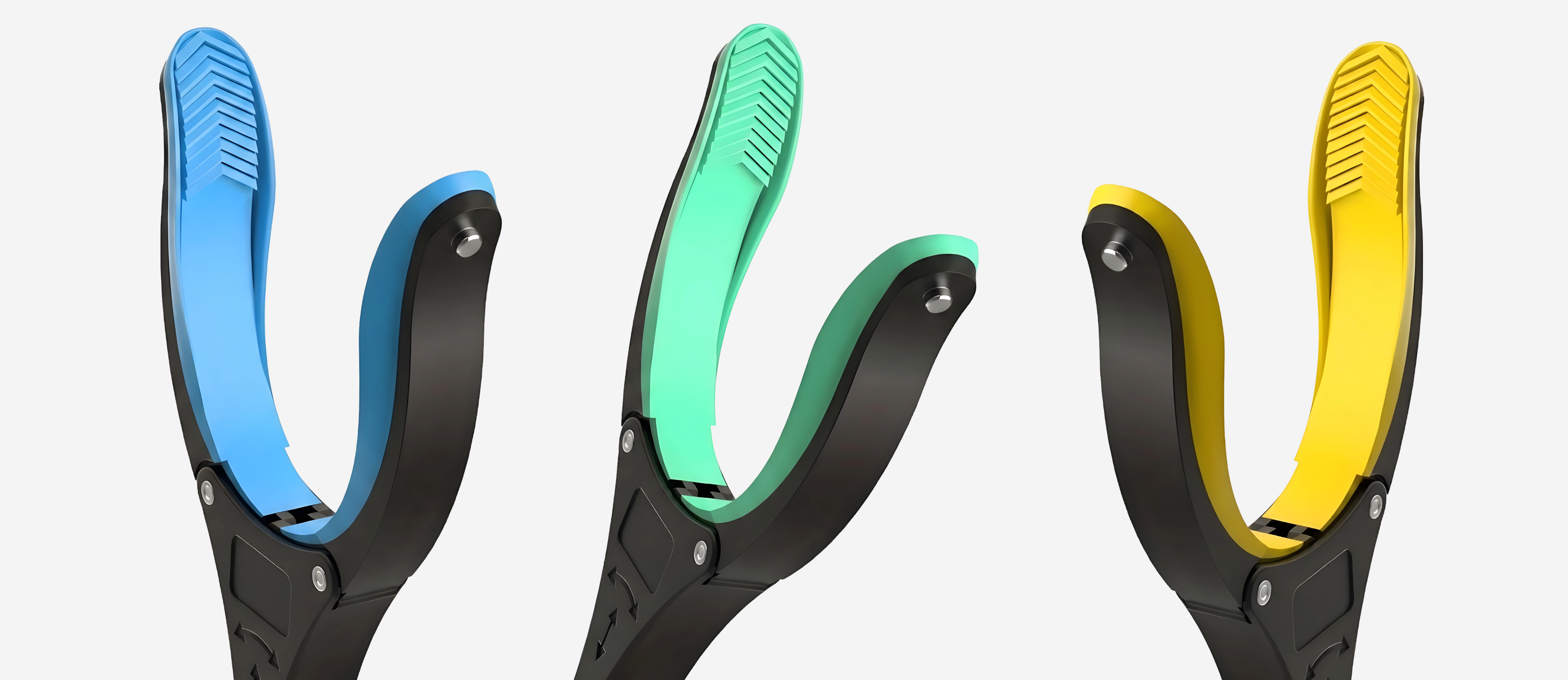
Direct answer: Hip osteoarthritis kitchen adaptive tools address bending limitation and standing pain: reachers to retrieve low items without hip flexion, kitchen seating for standing tolerance, and raised seating for rising. The GrabbersTool 32-inch Reacher retrieves low and floor-level kitchen items without the hip flexion and bending that hip OA makes painful and limited.
Hip Osteoarthritis Kitchen Adaptive Strategy
| Hip OA Feature | Kitchen Impact | Adaptive Solution |
|---|---|---|
| Reduced hip flexion and bending limitation | Hip OA reduces hip flexion and makes bending painful -- bending forward and down to reach low kitchen cabinets, retrieve floor-level items, load and unload low dishwasher racks, and reach into low ovens and refrigerator drawers requires hip flexion that hip OA limits and makes painful; the reduced hip flexion (and the pain with deep hip bending) limits access to low kitchen storage; getting down to and up from low positions is difficult; reaching the floor is particularly affected; the bending limitation from reduced hip flexion is a primary hip OA kitchen impact, similar to the bending challenges in other hip conditions | Reacher grabber (GrabbersTool 32-inch) to retrieve low, floor-level, and low-cabinet kitchen items without the hip flexion and bending that hip OA limits and pains -- the primary hip OA kitchen bending solution; kitchen reorganization to place frequently used items at accessible waist-to-shoulder height (reducing low bending); pull-out low shelves and drawers to bring items up rather than requiring hip flexion to reach down; avoid deep hip bending kitchen tasks; the reacher accesses low items without loading and flexing the arthritic hip |
| Standing pain and reduced standing tolerance | Hip OA pain is provoked by weight-bearing -- prolonged kitchen standing (at counters, stoves, sinks) loads the arthritic hip and provokes increasing groin, buttock, or thigh pain; kitchen standing tolerance is reduced (the patient can only stand for a limited time before hip pain forces rest); the cumulative standing for full meal preparation may exceed the hip OA standing tolerance; standing on hard kitchen floors worsens the joint loading; the pain increases through the standing duration; weight-bearing kitchen tasks are limited by the hip pain | Seated kitchen preparation with a kitchen stool or perch at counter height to reduce weight-bearing hip loading during food preparation; anti-fatigue cushioned kitchen mat to reduce hip joint impact during necessary standing; alternate sitting and standing to manage hip OA standing tolerance; organize kitchen tasks to minimize standing time; slow cooker and one-pot cooking to reduce active standing; weight management (reduces hip OA load); the seated preparation reduces the weight-bearing hip pain during kitchen tasks |
| Rising from chairs, mobility, and hip OA management | Hip OA makes rising from seated positions difficult and painful (sit-to-stand loads the hip in flexion under body weight) -- getting up from kitchen chairs is effortful and provokes hip pain; low kitchen seating is particularly difficult to rise from (deep hip flexion under load); kitchen walking and navigating provoke hip pain and may involve a limp; stairs are painful (loading the hip); the reduced mobility affects overall kitchen function; hip OA management includes weight management, exercise (strengthening and range of motion), pain management, walking aids (cane), and total hip arthroplasty for advanced hip OA (which then involves the post-THA recovery and hip precautions) | Raised kitchen seating with armrests for hip OA sit-to-stand assistance (higher seats reduce the hip flexion range needed to rise; armrests allow pushing up to offload the hip); avoid low kitchen seating (difficult to rise from); cane for hip OA kitchen mobility support (used in the opposite hand); non-slip surfaces and handholds for stability; physical therapy for hip OA (strengthening and range of motion); weight management; pain management; total hip arthroplasty for advanced hip OA (relieving the pain that limits kitchen standing and mobility, though with post-surgical hip precautions); the adaptations support hip OA rising and mobility |
See the 32-inch Reacher for hip osteoarthritis kitchen bending limitation and low-item access support.


