

Home healthcare workers and personal care aides sustain musculoskeletal injuries at rates significantly higher than most other occupational categories. The Bureau of Labor Statistics consistently ranks healthcare support occupations among the highest for work-related musculoskeletal disorders -- predominantly from manual patient handling, repeated bending, and sustained awkward postures. These injuries accumulate over time and often end careers. The adaptive tools that protect the patient during transfers and daily tasks also protect the caregiver: a standing assist tool that allows a patient to rise from a chair with arm support eliminates the caregiver lift that would otherwise be required. Tools that extend patient independence reduce caregiver physical burden simultaneously.
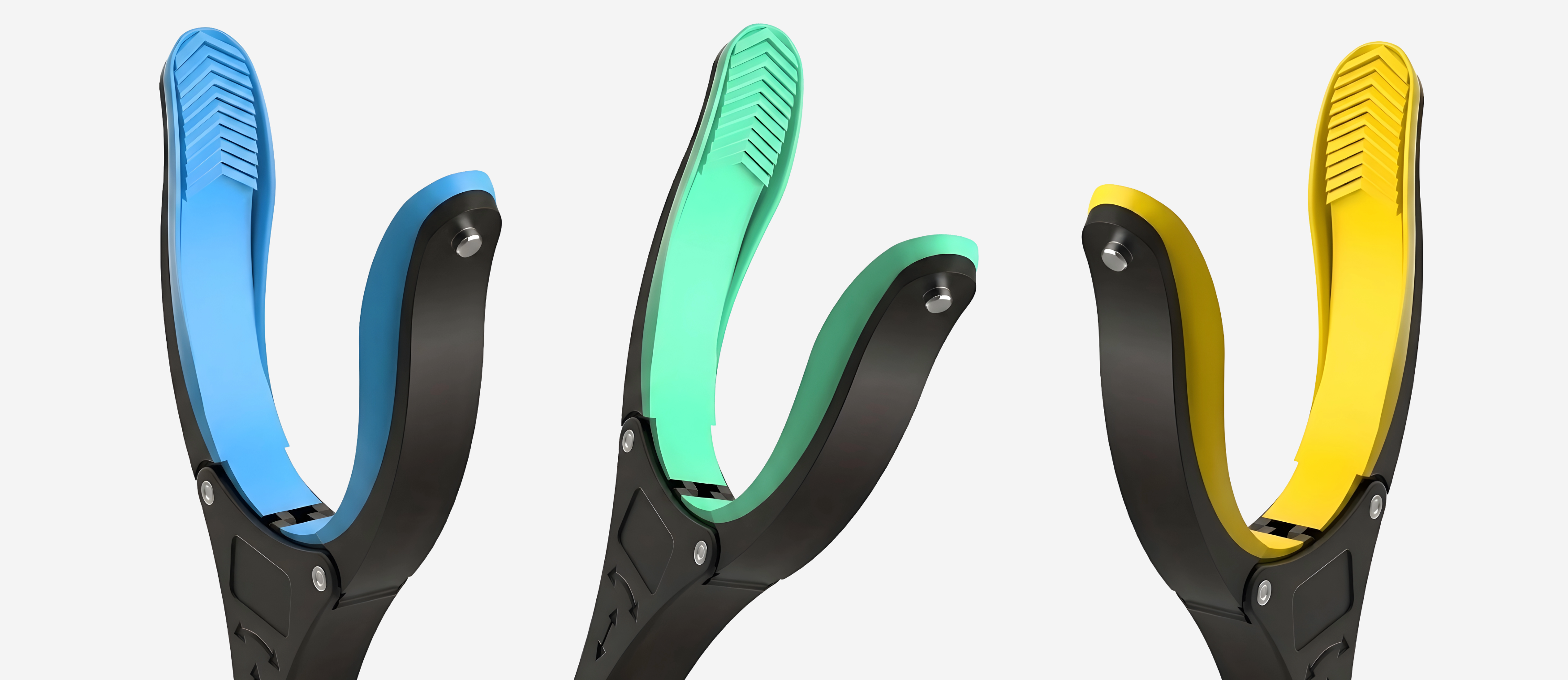
Direct answer: for home healthcare workers, the highest-impact injury-prevention adaptive tools are those that reduce manual patient transfers and patient lift-assist requirements. The GrabbersTool Standing Assist Tool allows patients to transfer from chair to standing using arm assist, eliminating the caregiver lift. The 43 inch Reacher Grabber allows patients to retrieve floor-level items independently, eliminating caregiver floor-retrieval assists. Each task the patient manages independently is a physical demand the caregiver does not absorb.
Caregiver Injury Mechanism and Adaptive Tool Prevention
| Caregiver Injury Risk | Mechanism | Adaptive Tool Prevention |
|---|---|---|
| Lumbar sprain from chair assist | Caregiver manually lifts patient from low chair position | Standing Assist Tool -- patient self-transfers with arm support |
| Shoulder strain from floor pickup assist | Caregiver bends to assist patient floor retrieval | 43 inch Reacher -- patient retrieves independently |
| Wrist strain from jar and can opening assist | Caregiver opens all containers manually | Electric Jar Opener, Electric Can Opener -- patient opens independently |
| Back strain from walking support | Caregiver provides physical support during ambulation | Walking Cane with Cane Strap -- patient ambulates with cane support |
| Cumulative physical fatigue | All assists accumulate through a shift | Total reduction in physical assists across all categories |
Standing Assist Tool weight capacity and height specifications are on the product page -- important for matching to patient population. View specifications
The Dual Benefit Framework
Adaptive tools for home care settings serve both patient and caregiver simultaneously -- and framing them to patients this way changes the adoption dynamic. Patients who are reluctant to accept adaptive tools as an acknowledgment of limitation often respond differently when the benefit is framed as: these tools protect the caregiver, not just you. This is not a manipulation -- it is accurate. The standing assist tool genuinely protects the caregiver back while also extending patient independence. Both benefits are real.
Introducing Adaptive Tools to Home Care Clients
Home healthcare agencies that introduce adaptive tools as standard care practice -- rather than as a response to specific incidents -- demonstrate lower rates of caregiver injury and higher patient satisfaction in care quality assessments. The tools should be in place before a caregiver injury occurs, not after. For agency supervisors and case managers reading this: the adaptive tool investment is a worker safety investment as much as a patient care investment. GrabbersTool provides tools at volume for home care agency procurement -- contact us for volume pricing information.
Transfer Belt vs Adaptive Tools
Transfer belts (gait belts) are commonly used in home care to assist with patient transfers -- they allow caregivers to grip the patient during a transfer without gripping clothing. Transfer belts reduce caregiver injury risk during assisted transfers but do not eliminate the physical demand of the transfer. Adaptive tools reduce the number of assisted transfers required -- the standing assist tool converts an assisted transfer to an independent transfer for patients who have sufficient arm strength to use it. The two approaches are complementary, not competing.
Documentation for Agency and Insurance Purposes
For home care agencies that purchase adaptive tools for client homes, GrabbersTool provides product specification documentation that describes the tool, its intended use, and its weight and height specifications. This documentation is relevant for care plan documentation, insurance records, and agency procurement justification. Contact GrabbersTool support for specification documentation requests.
See also: Caregiver Scheduling and Adaptive Tools: Reducing Physical Assist Burden and Standing Assist Tool Buyer Guide: What to Know Before Purchasing.
Browse Ergonomic Mobility, Reacher Grabber Tools, and Easy Grip Kitchen Openers.


