

Inflammatory myopathies are a group of acquired muscle diseases including polymyositis (PM), dermatomyositis (DM), immune-mediated necrotizing myopathy (IMNM), and sporadic inclusion body myositis (sIBM). Of these, sporadic IBM is the most common inflammatory myopathy in patients over age 50 and has a distinctive clinical pattern: finger flexor weakness (disproportionately affecting the flexor digitorum profundus -- the muscle responsible for distal phalangeal flexion and grip) and quadriceps weakness (causing falls and difficulty with stairs and rising), with a slow, relentless progression that does not respond to immunosuppressive therapy. Polymyositis causes a more symmetric proximal muscle weakness (hip girdle and shoulder girdle) without the specific finger flexor involvement. The finger flexor weakness of IBM is directly and severely limiting in the kitchen: grip force -- which depends on finger flexor muscle power -- is dramatically reduced, making all grip-dependent kitchen tasks (jar opening, heavy pot carrying, can opening) progressively impossible as IBM advances. IBM dysphagia (pharyngeal muscle involvement) also affects dietary management and kitchen food preparation requirements.
Direct answer: IBM and PM kitchen adaptive tools must address the specific weakness pattern of each: IBM requires tools that eliminate finger flexor grip force demands (electric jar opener is the most important tool); PM requires tools for proximal muscle weakness (reacher for overhead reach, energy conservation for shoulder girdle fatigue). The GrabbersTool Electric Jar Opener is the single most important IBM kitchen tool because it directly addresses the characteristic finger flexor weakness of IBM.
IBM vs PM: Kitchen Weakness Pattern and Adaptive Tools
| Myopathy and Weakness Pattern | Kitchen Functional Impact | Primary Adaptive Tools |
|---|---|---|
| Sporadic IBM (finger flexor and quadriceps weakness) | Finger flexor weakness directly eliminates grip-dependent kitchen tasks: jar opening (impossible without grip force), heavy pot lifting, can opening with manual opener, sustained utensil holding all progressively lost; quadriceps weakness creates fall risk in kitchen; dysphagia affects dietary requirements | Electric jar opener (the definitive IBM kitchen tool -- replaces all finger flexor grip with motor power); electric can opener; lightweight cookware; seated cooking when quadriceps weakness creates fall risk; dysphagia diet preparation tools (blender for texture modification) |
| Polymyositis (proximal shoulder and hip girdle weakness) | Shoulder girdle weakness limits overhead arm elevation (cannot reach overhead kitchen shelves); difficulty lifting heavy pots (deltoid and biceps weakness); hip girdle weakness causes difficulty bending and rising from low positions (floor item retrieval); generally finger grip preserved unlike IBM | 43-inch reacher for overhead shelf access; 32-inch reacher for floor items; lightweight cookware; seated cooking for hip girdle weakness; energy conservation for shoulder fatigue; electric jar opener for fatigue-related grip reduction even if grip not primarily limited |
| IBM dysphagia (pharyngeal weakness) | Progressive cricopharyngeal muscle involvement in IBM causes dysphagia that requires dietary texture modification; soft food and thickened liquid preparation becomes a daily kitchen task; food must be prepared to specific safe-swallow textures | High-powered blender for smooth pureeing; commercial food thickener; consistent texture preparation protocol; electric opener tools to reduce hand fatigue during texture-modified meal preparation |
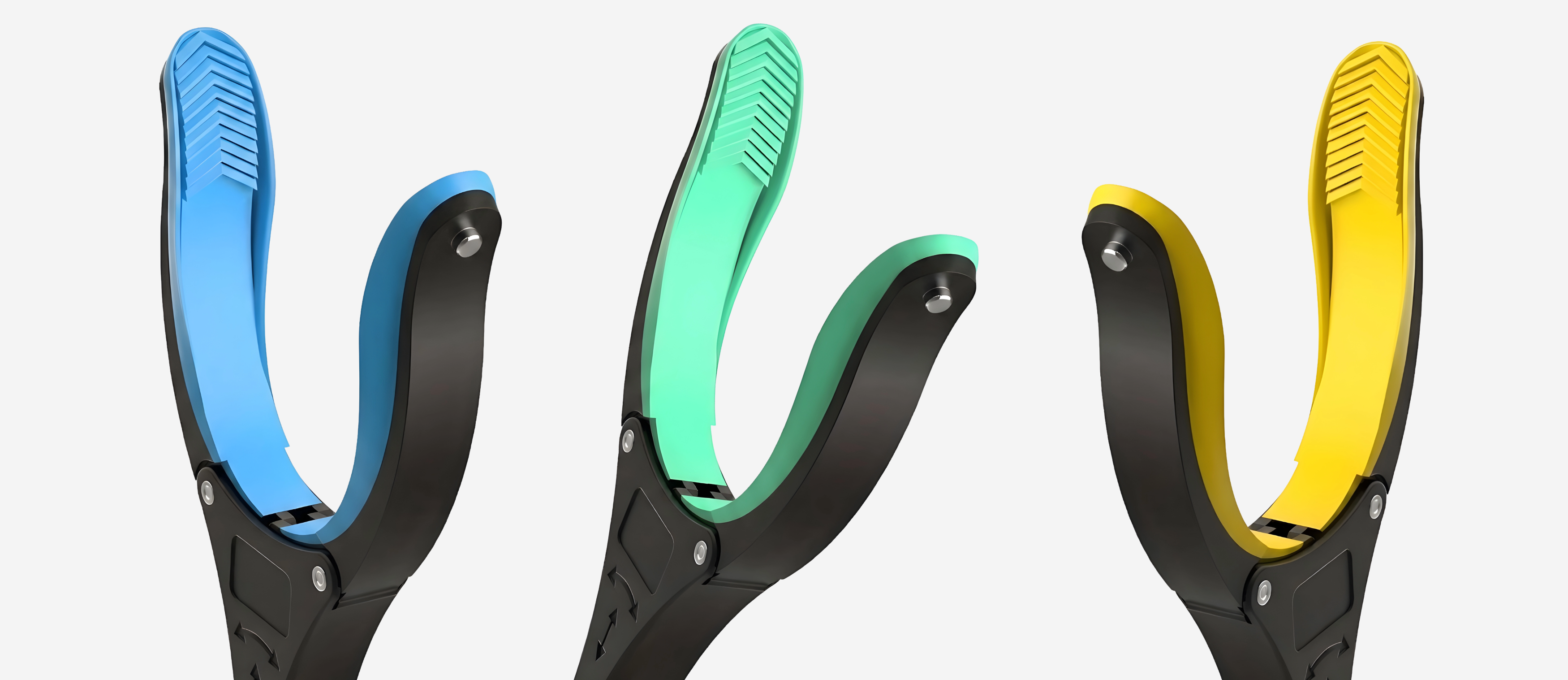
See the Electric Jar Opener and 43-inch Reacher for inflammatory myopathy kitchen adaptive tools.


