

Kidney stone disease (nephrolithiasis) is extremely common, affecting approximately 11% of men and 6% of women in their lifetime. The majority of small kidney stones (under 5-6 mm) pass spontaneously with hydration and pain management; larger stones or those causing obstruction, infection, or refractory pain require procedural intervention. Common kidney stone procedures include shock wave lithotripsy (SWL -- external acoustic waves fragment the stone, which is then passed; outpatient, no incision, recovery 1-2 days), ureteroscopy (URS -- a ureteroscope is passed through the urethra, bladder, and ureter to the stone; laser fragmentation; ureteral stent often placed; outpatient or 23-hour admission; recovery 1-2 weeks), and percutaneous nephrolithotomy (PCNL -- a working channel is created through the skin of the flank into the kidney under general anesthesia; 1-3 day hospitalization; recovery 2-4 weeks). Of these, PCNL has the most significant post-procedure functional limitation: the flank access site and nephrostomy tract cause significant flank pain, trunk rotation limitation, and activity restriction for 2-4 weeks during healing.
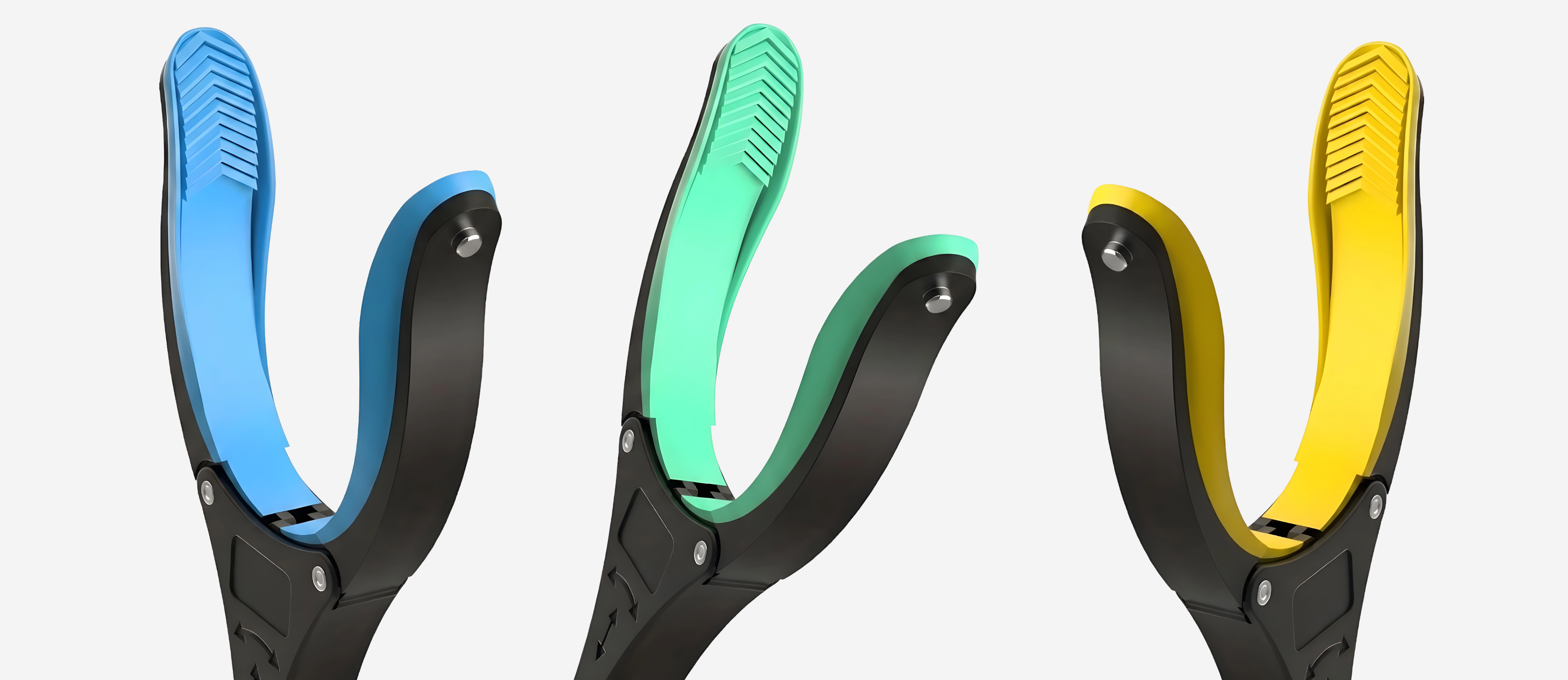
Direct answer: Kidney stone recovery kitchen adaptive tools are primarily needed after PCNL (2-4 weeks recovery with flank pain and lifting restriction). The reacher compensates for trunk rotation limitation and bending restriction after PCNL when reaching for floor-level kitchen items. The electric jar opener reduces the abdominal wall tension of jar-opening effort. The GrabbersTool 32-inch Reacher is most important for PCNL recovery kitchen independence.
Kidney Stone Procedure Recovery Kitchen Strategy
| Procedure | Recovery Kitchen Limitation | Adaptive Tool or Strategy |
|---|---|---|
| Shock wave lithotripsy (SWL) | Minimal post-procedure limitation: outpatient procedure, no incision; patients typically return to normal activity within 24-48 hours; occasional flank bruising or discomfort; most patients resume full kitchen function within 1-2 days | No specific adaptive tools typically required; oral fluids to assist stone fragment passage -- ensure adequate kitchen water and fluid access; standard kitchen function within 48 hours for most SWL patients |
| Ureteroscopy (URS) with ureteral stent | Ureteral stent causes urinary urgency, frequency, and pelvic discomfort for 1-2 weeks; activity restriction is minimal; stent symptoms may distract from kitchen tasks but do not specifically limit kitchen function; some stent discomfort with heavy lifting (increases intraabdominal pressure against stent) | Avoid heavy kitchen lifting (full water jugs, heavy pots) during stent period; otherwise normal kitchen function; ensure adequate hydration during stent period (easy kitchen water access) |
| PCNL (percutaneous nephrolithotomy) | Flank access site and nephrostomy tract cause significant post-procedure flank pain and trunk rotation limitation; no lifting greater than 10 lbs for 4 weeks; no twisting or trunk rotation; flank pain worsens with bending; driving restriction 2 weeks; significant kitchen function limitation during 2-4 week recovery | 32-inch reacher (GrabbersTool) for floor-level kitchen items without bending or trunk rotation; electric jar opener to reduce abdominal wall tension; lightweight cookware; caregiver assistance for heavy kitchen items; seated kitchen preparation during acute recovery phase |
See the 32-inch Reacher and Electric Jar Opener for kidney stone surgical recovery kitchen independence.


