

Kidney transplantation involves placing the donor kidney extraperitoneally in the lower abdomen (iliac fossa), with anastomosis to the iliac artery, iliac vein, and ureter. The surgical incision is a curved lower abdominal incision roughly 15-20 cm long. Recovery involves a 4-7 day hospital stay, followed by a structured outpatient recovery period of 4-6 weeks before returning to light activities and 6-8 weeks before heavy lifting is permitted. Critically, kidney transplant recipients are immediately placed on lifelong immunosuppressive medication -- typically a combination of calcineurin inhibitor (tacrolimus or cyclosporine), antimetabolite (mycophenolate), and corticosteroid -- which significantly increases infection risk. This means kitchen hygiene is critically important: food safety practices, avoiding raw foods with high bacterial contamination risk, and minimizing exposure to sick individuals. The combination of lifting restriction (from the abdominal incision) and infection risk (from immunosuppression) creates a specific adaptive kitchen challenge that is different from other surgical recoveries.
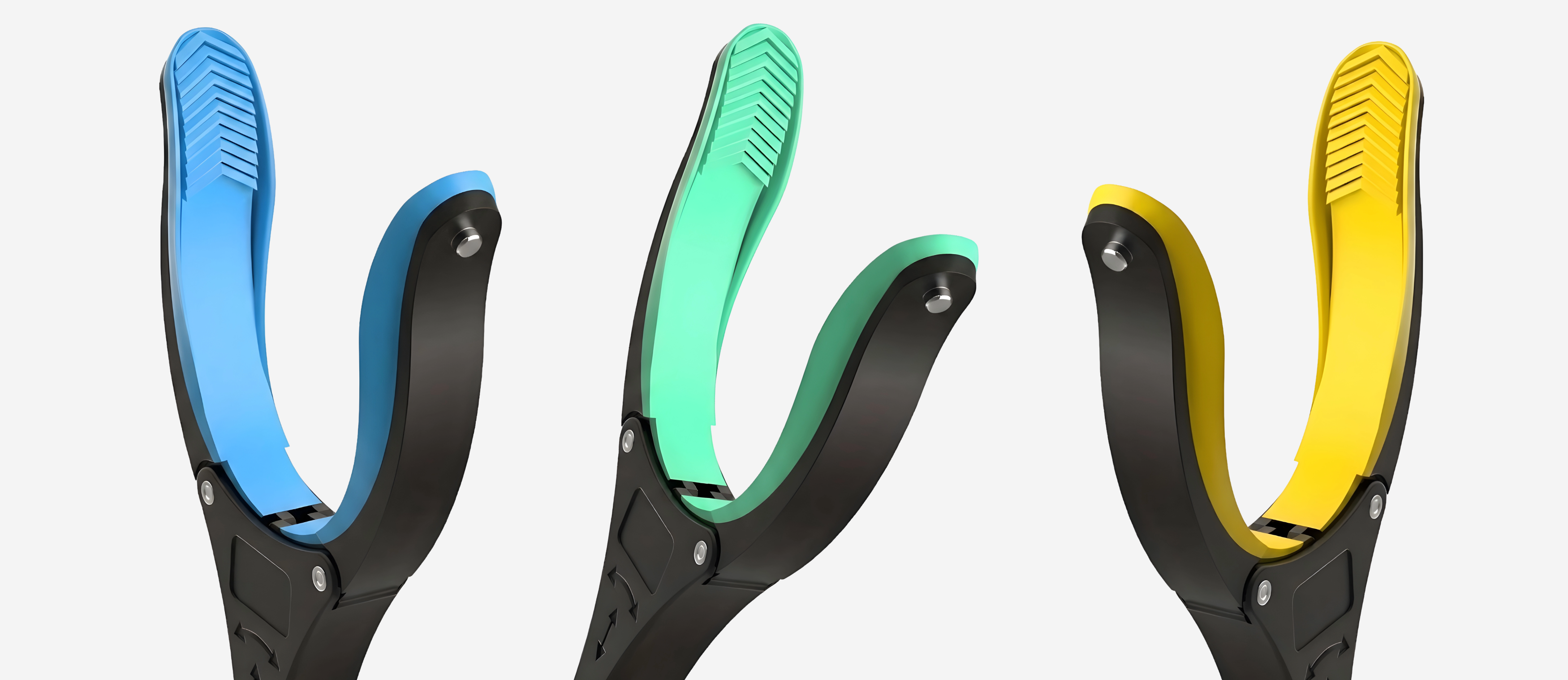
Direct answer: Kidney transplant adaptive kitchen tools address the abdominal lifting restriction (commonly no lifting over 5 kg for the first 4-6 weeks), the bending restriction (bending loads the healing abdominal wall), and the immunosuppression-related need for careful food handling. The reacher reduces bending to floor level that strains the lower abdominal incision. The electric jar opener eliminates the sustained abdominal bracing that jar opening requires. Crucially, both tools should be easy to clean thoroughly given immunosuppression. The GrabbersTool 32-inch Reacher and Electric Jar Opener are the core tools.
Kidney Transplant Recovery Timeline and Adaptive Kitchen Tool Need
| Recovery Phase | Physical Restriction | Adaptive Kitchen Strategy |
|---|---|---|
| Hospital (days 0-7) | No kitchen access; IV fluids and monitored diet; IV immunosuppression transition to oral | No kitchen independence during this phase; hospital dietary service |
| Early outpatient (weeks 1-4) | No lifting over 5 kg; no bending to floor; lower abdominal incision healing; immunosuppression high-risk period | Reacher for all floor and low-level retrieval; electric jar opener for all jars; caregiver for heavy pot handling; strict food safety: no raw meat, thorough cooking, refrigerator hygiene |
| Mid-recovery (weeks 4-8) | Gradual lifting return; activities increasing; immunosuppression dose stabilizing but still elevated | Continue reacher and electric jar opener; increasing independence; maintain food safety practices; lightweight cookware during lifting transition |
| Long-term (beyond 8 weeks) | Full return to kitchen activities; lifelong immunosuppression maintained | Food safety practices maintained indefinitely; adaptive tools optional for comfort; focus on high-quality nutrition for graft function |
Browse the adaptive kitchen tools for transplant recovery and the 32-inch Reacher.


