

Primary progressive multiple sclerosis (PPMS) is a distinct MS disease course characterized by steady neurological worsening from disease onset without the remissions and relapses seen in relapsing-remitting MS (RRMS). PPMS accounts for approximately 10-15% of all MS diagnoses and tends to present at a slightly older age (typically 40s vs. 30s for RRMS). The pattern of disability in PPMS is distinctly different from relapsing MS: rather than episodic attacks on diverse CNS regions, PPMS produces predominantly progressive lower limb weakness and spasticity (due to spinal cord involvement), progressive balance and gait impairment, and bladder dysfunction. Hand and arm function are affected but often less prominently in the early-mid stage than leg function. The key clinical distinction is that PPMS does not have relapses or remissions -- function declines continuously (though at a variable rate), and the disability timeline differs from RRMS. Disease-modifying therapy options for PPMS are more limited: ocrelizumab (Ocrevus) is FDA-approved for PPMS and has demonstrated modest efficacy in slowing progression.
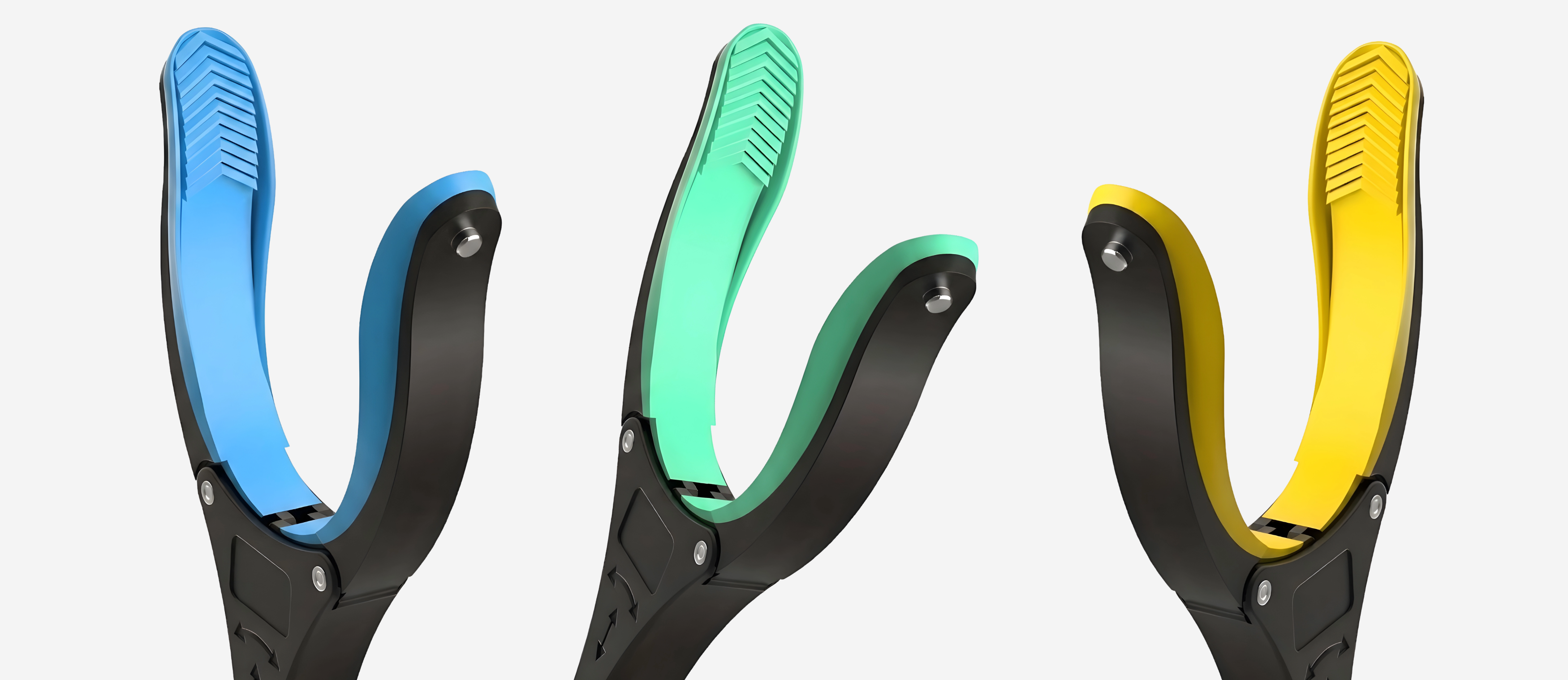
Direct answer: PPMS adaptive kitchen tools must address progressive and permanent lower limb limitation (wheelchair use develops in a significant proportion of PPMS patients within 10-15 years of diagnosis), spasticity that reduces movement precision, and fatigue. Unlike RRMS, tool selection for PPMS cannot assume recovery -- the trajectory is progressive, and adaptive equipment should be chosen with that trajectory in mind. The 43-inch reacher accommodates wheelchair-level kitchen access. The electric jar opener addresses the grip and upper limb fatigue that compounds lower limb disability. The GrabbersTool 43-inch Reacher and Electric Jar Opener are core.
PPMS vs RRMS: Adaptive Tool Planning Differences
| Factor | PPMS | RRMS (for comparison) |
|---|---|---|
| Disability trajectory | Steady progression from onset; tools must plan for declining function over time | Episodic; may have significant recovery between relapses; tool needs fluctuate |
| Lower limb function | Progressive leg weakness and spasticity; wheelchair use common at 10-15 years | Leg involvement during relapses; often significant recovery; wheelchair less common early |
| Reacher length | Plan ahead for 43-inch reacher as wheelchair use approaches; start with 32-inch if ambulatory | 32-inch typically sufficient for ambulatory phase; switch if wheelchair used |
| Upper limb | Often relatively preserved early; may progress; fatigue significant | Arm relapses possible but recover; variable upper limb involvement |
| Fatigue | Significant and progressive; heat sensitivity (Uhthoff phenomenon) adds to fatigue | Fatigue common, particularly post-relapse; variable |
Browse the reacher collection and compare the 32-inch and 43-inch models for PPMS planning.


