

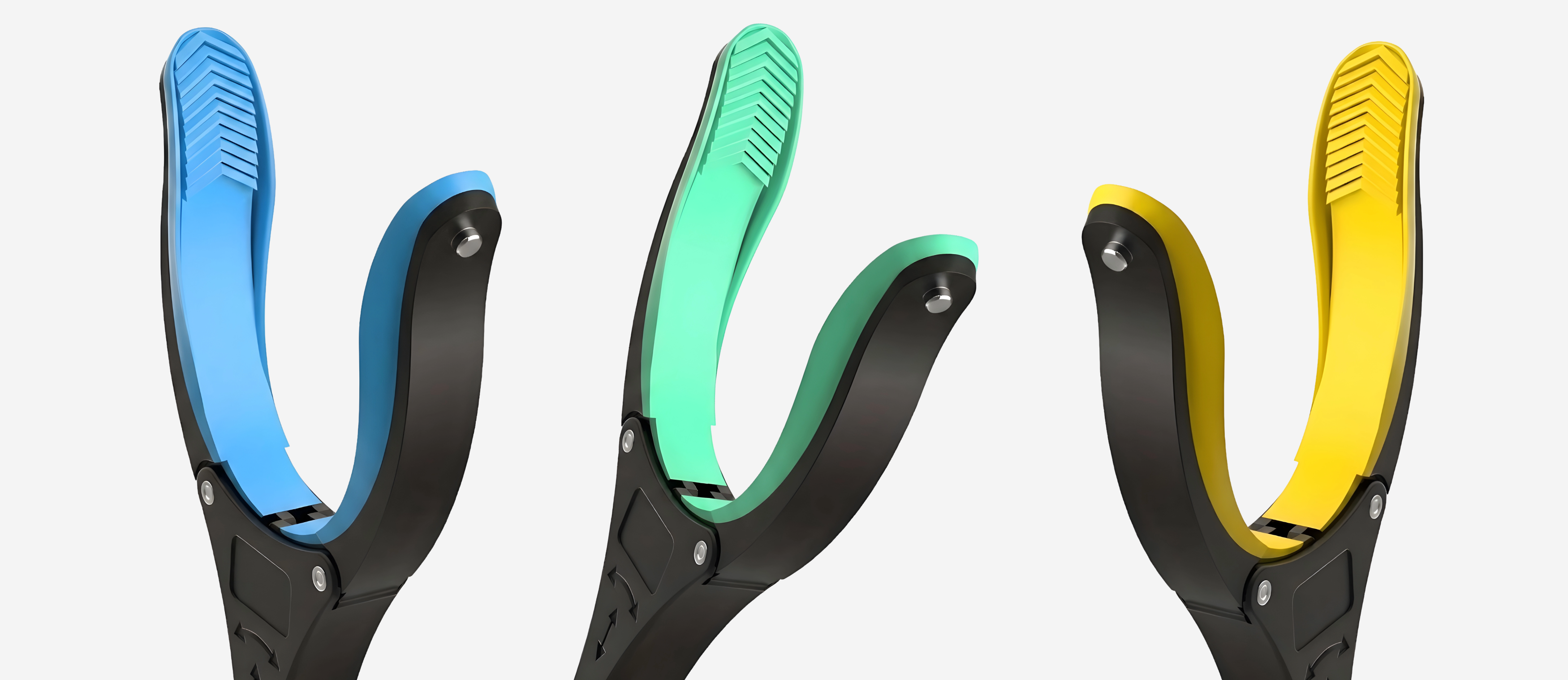
The relapse model of multiple sclerosis creates an adaptive tool challenge that is distinct from progressive conditions: functional loss that can appear within hours and may partially or fully resolve within weeks to months. A person with relapsing-remitting MS (RRMS) may function near-normally between relapses and then experience acute grip loss, arm weakness, or balance impairment that renders kitchen tasks dangerous or impossible. GrabbersTool occupational therapy partners emphasize that MS patients who have their adaptive tools already in place before a relapse begins are dramatically better positioned than those who are trying to acquire tools during the acute phase, when cognitive and physical resources are most depleted.
Direct answer: for MS relapses, the adaptive tools that matter most depend on which symptoms are present. For grip and hand weakness (common in upper extremity relapses): the Electric Jar Opener and Electric Can Opener. For balance and gait involvement: the Walking Cane. For fatigue (universal in MS relapses): all electric tools reduce energy expenditure. For spasticity affecting floor-level bending: the Reacher Grabber.
MS Relapse Symptoms and Adaptive Tool Response
| Relapse Symptom | ADL Impact | Adaptive Tool Response |
|---|---|---|
| Hand/arm weakness or clumsiness | Grip unreliable; fine motor impaired; jar and can opening dangerous; dropping items | Electric Jar Opener; Electric Can Opener; 5-in-1 Multi-Opener |
| Balance impairment and ataxia | Fall risk in kitchen and bathroom; walking unsafe without support; reaching destabilizes | Walking Cane; reacher to avoid reaching that challenges balance |
| Lhermitte sign (cervical cord) | Neck flexion triggers electric shock sensation; bending avoided | Reacher for floor tasks; reorganize storage to avoid neck flexion postures |
| Fatigue (relapse-associated) | Energy budget dramatically reduced; sustained physical effort depletes rapidly | All electric tools; reacher reduces bending exertion; energy conservation throughout |
| Cognitive fog | Multi-step tasks become error-prone; tool operation must be simple | Single-button electric tools; tools with clear, simple operation |
Specifications for all GrabbersTool products are on the product pages. View Walking Cane specifications.
Pre-Relapse Adaptive Tool Strategy
For RRMS patients, GrabbersTool and occupational therapy partners consistently recommend building and maintaining a complete adaptive tool kit during remission rather than acquiring tools during relapse. The reason is practical: during a relapse, fatigue, cognitive symptoms, and functional limitation make product research, purchasing, and learning to use new tools significantly more difficult. A patient who has the electric jar opener installed and familiar during remission can activate it effortlessly during a relapse. A patient trying to acquire one during a relapse may spend energy and cognitive resources on a task they could have completed at baseline with far less cost. This pre-relapse preparation approach is the same logic as pre-surgical adaptive tool setup -- but it recurs with each relapse cycle rather than being a one-time event. See also: Multiple Sclerosis Comprehensive Adaptive Tools Guide.
Adapting Tool Use to Relapse Severity
Not all MS relapses involve the same functional loss. A relapse primarily affecting vision (optic neuritis) has different tool implications than a relapse affecting hand function. GrabbersTool recommends that RRMS patients maintain a mental map of which tools they would activate for different relapse patterns -- hands affected: electric openers first; balance affected: cane first; fatigue only: energy conservation toolkit. This modular approach, rather than activating the full adaptive tool arsenal for every relapse regardless of type, allows more targeted and less overwhelming relapse management. Discuss this mapping with your occupational therapist during remission, when cognitive resources are available for planning. See also: MS Fatigue and Adaptive Tools: Energy Conservation Strategies.
Browse Easy Grip Kitchen Openers, Ergonomic Mobility Solutions, and Reacher Grabber Tools.


