

Myasthenia gravis (MG) is an autoimmune neuromuscular junction disorder in which autoantibodies (most commonly against the acetylcholine receptor, AChR) interfere with neuromuscular transmission, causing fatigable muscle weakness. The defining clinical feature is fatigability: weakness that worsens with sustained or repetitive muscle use and improves with rest. This is the opposite of the constant weakness seen in most myopathies. Ocular muscles are affected in most MG patients (causing ptosis and diplopia); bulbar muscles (speech, swallowing, chewing) are affected in many; and limb muscles (proximal more than distal) are affected in generalized MG. The fatigable nature of MG weakness creates a specific kitchen challenge: the person may feel relatively strong first thing in the morning (after overnight rest) but become increasingly weak through the day with sustained activity. Kitchen cooking in the afternoon or evening may be significantly more difficult than the same task in the morning. MG can be treated with pyridostigmine (acetylcholinesterase inhibitor), immunosuppressives (prednisone, mycophenolate, azathioprine), and eculizumab or efgartigimod for refractory disease.
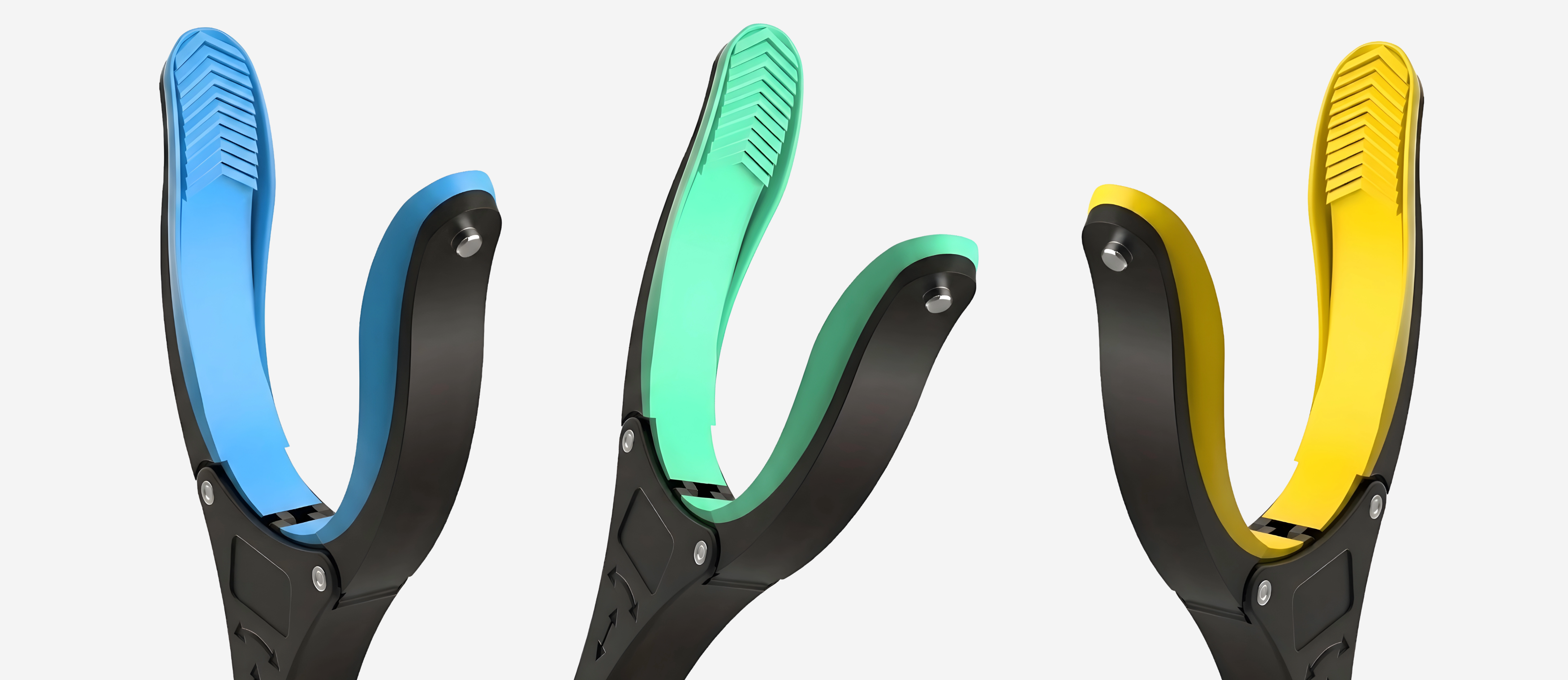
Direct answer: MG adaptive kitchen tools must account for the time-of-day weakness pattern: cook in the morning or early afternoon when strength is best, and use adaptive tools to manage the decreased reserve in the late afternoon and evening. The electric jar opener is critical for MG because manual jar opening requires sustained isometric grip force -- exactly the type of sustained muscle contraction that MG weakness does not tolerate. The reacher reduces the overhead arm elevation that fatigues the shoulder girdle muscles in generalized MG. The GrabbersTool Electric Jar Opener and 32-inch Reacher are the core tools, combined with strategic meal timing.
MG Severity and Kitchen Independence Strategy
| MG Classification | Kitchen Function Impact | Adaptive Kitchen Strategy |
|---|---|---|
| Ocular MG only (ptosis, diplopia) | Double vision affects kitchen safety (cannot accurately judge distances; may have difficulty reading labels); ptosis not directly kitchen-limiting | Improve kitchen lighting; large-print labels; use stronger eye (cover weaker eye); prism glasses for diplopia; no limb-related adaptive tools needed for ocular-only MG |
| Mild generalized MG | Limb weakness mild; fatigue with sustained activity; typically able to cook with modification; bulbar fatigue may affect chewing and swallowing during eating | Cook in the morning; electric jar opener to reduce sustained grip effort; lightweight cookware; short cooking sessions; rest between kitchen tasks |
| Moderate generalized MG | Significant limb and bulbar weakness by afternoon; arms fatigue with overhead or sustained use; swallowing tires with extended eating | All cooking in morning; electric jar opener essential; reacher for overhead access; seated cooking; prepare large batches in morning for all-day use; very simple meals in evening |
| MG crisis (respiratory involvement) | Severe generalized weakness including respiratory muscles; hospitalization required; no kitchen independence during crisis | No kitchen activity during crisis; hospitalization and ICU management; full caregiver support post-crisis until stabilized |
Browse the adaptive kitchen tools and Electric Jar Opener for myasthenia gravis kitchen independence.


