

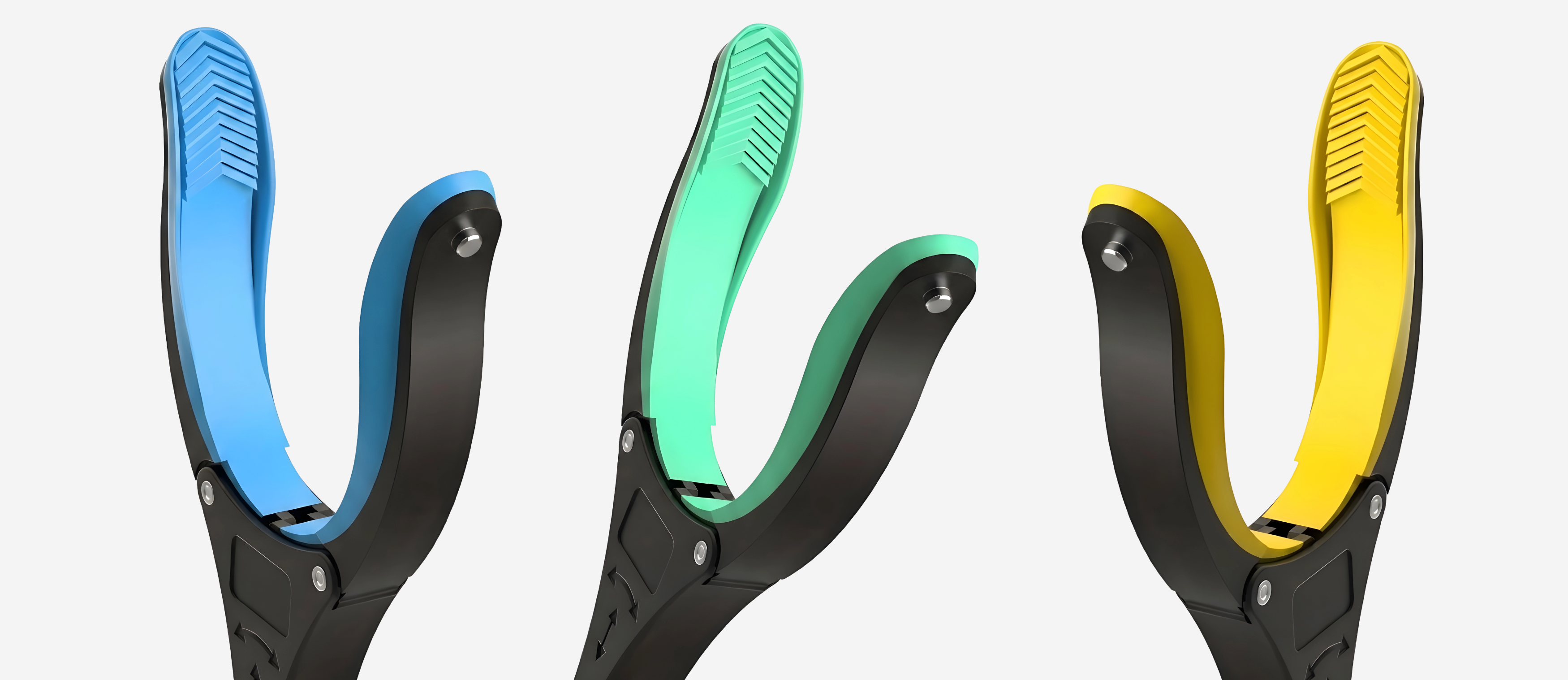
Obesity can significantly affect functional mobility and daily activities, including kitchen tasks, through several mechanisms: reduced reach and flexibility (increased body mass can limit the ability to bend forward, reach the floor, and reach around the body -- abdominal mass restricts forward flexion); joint pain and osteoarthritis (obesity increases mechanical load on weight-bearing joints, accelerating knee and hip OA and causing pain with standing, walking, and stairs); reduced cardiovascular and respiratory endurance (limiting sustained kitchen standing and activity); reduced standing tolerance and balance (increased body mass affects balance and standing endurance); and skin and mobility considerations. These functional limitations affect kitchen tasks that require bending (reaching low cabinets, retrieving floor items, loading the dishwasher), reaching (overhead and around the body), prolonged standing (at counters and stoves), and mobility (walking and navigating the kitchen). Additionally, the kitchen is central to nutrition and any weight management efforts. People with severe obesity may face additional challenges and benefit from bariatric-appropriate equipment (rated for higher weight capacity). Adaptive tools and kitchen strategies can support kitchen independence and reduce the strain and difficulty of kitchen tasks. It is important to approach this supportively and practically -- adaptive tools address the functional reality of reduced reach, joint pain, and endurance regardless of cause, supporting the person kitchen independence and their ability to prepare food.
Direct answer: Obesity-related limited mobility kitchen adaptive tools address reduced reach and bending, joint pain, and reduced endurance: reachers to extend reach without bending, kitchen seating for standing tolerance, and appropriately rated equipment. The GrabbersTool 32-inch Reacher extends reach to low and distant kitchen items without the forward bending that abdominal mass and joint pain make difficult.
Obesity and Limited Mobility Kitchen Adaptive Strategy
| Functional Challenge | Kitchen Impact | Adaptive Solution |
|---|---|---|
| Reduced reach, bending, and flexibility | Increased body mass, particularly abdominal mass, can restrict forward bending and reaching -- reaching the floor to retrieve dropped items, bending into low kitchen cabinets, loading and unloading low dishwasher racks, and reaching into low ovens and refrigerator drawers are difficult when forward flexion is limited; reaching around the body and overhead may also be affected; the restricted reach affects access to many kitchen storage areas; bending forward is limited by the abdominal mass and may also provoke joint or back discomfort; these reach and bending limitations affect access to low and distant kitchen items | Reacher grabber (GrabbersTool 32-inch) to retrieve low, floor-level, and distant kitchen items without the forward bending that abdominal mass restricts -- extending functional reach; the reacher accesses items that limited bending and reaching cannot; kitchen reorganization to place frequently used items at accessible waist-to-shoulder height (reducing the need for low bending and overhead reaching); pull-out shelves and drawers to bring items within reach; the reacher is a practical solution for extending reach without bending |
| Joint pain and reduced standing tolerance | Obesity-related joint pain (knee and hip OA accelerated by increased mechanical load) causes pain with prolonged kitchen standing, walking, and stairs -- limiting kitchen standing tolerance and mobility; the increased load on the knees and hips makes standing at counters and stoves for meal preparation painful and fatiguing; reduced standing endurance (from both joint pain and cardiorespiratory factors) limits sustained kitchen activity; rising from seated positions may be effortful; the joint pain and endurance limitations reduce the time the person can spend on kitchen tasks | Seated kitchen preparation with sturdy, appropriately weight-rated kitchen seating to reduce standing time and joint loading (bariatric-rated stools and chairs for higher weight capacity as needed); anti-fatigue kitchen mat for standing comfort; alternate sitting and standing during kitchen tasks; organize kitchen tasks to minimize standing and walking; sturdy handholds for support during standing and transitions; the seated preparation reduces the joint pain and endurance burden of kitchen tasks; joint pain management and, where relevant, weight management support |
| Endurance, equipment considerations, and supportive kitchen function | Reduced cardiovascular and respiratory endurance limits sustained kitchen activity and can cause breathlessness with exertion during kitchen tasks; standard adaptive equipment may need to be bariatric-rated (higher weight capacity) for safe use by people with severe obesity (seating, stools, and support equipment should be appropriately rated); the kitchen is central to nutrition and any weight management efforts (food preparation, portion awareness, and healthy meal preparation happen in the kitchen); a supportive, practical approach focuses on enabling kitchen independence and food preparation ability; combining adaptive tools with energy conservation supports sustained kitchen function | Energy conservation kitchen strategies for reduced endurance (seated tasks, task pacing, breaks, simple meal preparation, and organizing to minimize exertion); bariatric-rated (appropriately weight-capacity-rated) kitchen seating and support equipment for safety; the kitchen supports nutrition and any weight management goals (the person can prepare their own food with adaptive support); electric appliances to reduce kitchen physical effort; a supportive, practical approach to kitchen independence; occupational therapy for functional kitchen assessment and appropriate adaptive equipment; the goal is enabling independent, sustainable kitchen function |
See the 32-inch Reacher for obesity-related limited mobility kitchen reach and bending support.


