

Osteoporosis is characterized by reduced bone mineral density (BMD) and micro-architectural deterioration of bone tissue, leading to increased fracture risk. The most devastating osteoporotic fractures are vertebral compression fractures (VCFs), which occur in approximately 700,000 Americans annually -- more than hip fractures and wrist fractures combined. VCFs involve the collapse of the anterior aspect of the vertebral body (anterior wedge fracture), most commonly at the thoracolumbar junction (T12-L1), causing acute severe back pain, progressive height loss, and kyphosis (hyperkyphosis or dowager hump). Multiple VCFs progressively increase thoracic kyphosis, decrease standing height (patients may lose 4-6 inches), and shift the center of mass forward, increasing fall risk and worsening thoracic outlet and lung mechanics. Kitchen function after VCF is affected by (1) acute fracture pain limiting all kitchen activities, (2) spinal flexion restrictions to protect the fracture site, (3) progressive kyphosis shifting the functional reach envelope, and (4) height loss requiring kitchen reorganization at a lower working height.
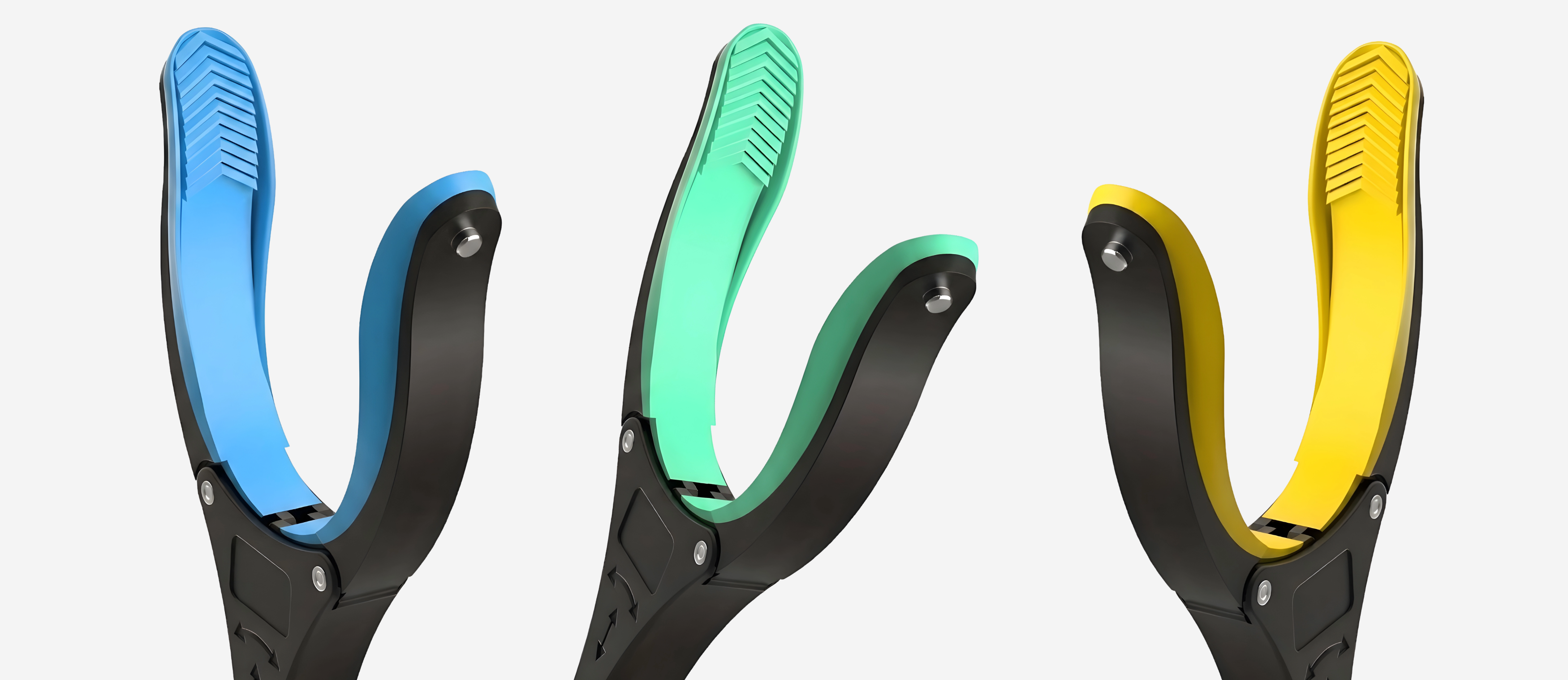
Direct answer: Osteoporotic VCF adaptive kitchen tools must eliminate spinal flexion (bending) while the fracture heals and protect the remaining spine from further compression. The reacher is the most critical VCF kitchen tool: it eliminates floor-level bending (the most common acute flexion load on a VCF). The GrabbersTool 32-inch Reacher eliminates the forward lumbar flexion that is most dangerous in the immediate post-VCF period.
Osteoporotic VCF Kitchen Safety and Adaptive Strategy
| VCF Kitchen Challenge | Fracture Risk or Functional Impact | Adaptive Solution |
|---|---|---|
| Forward trunk flexion (bending for floor items) | Forward flexion loads the anterior vertebral body -- the same mechanism that caused the original VCF; bending to pick up dropped items immediately after VCF can cause further vertebral collapse or new VCF at adjacent level; bending restriction is the most critical VCF kitchen precaution | 32-inch reacher (GrabbersTool) for all floor-level kitchen item retrieval; long-handled dustpan and broom; no bending for any reason during acute VCF recovery; hip hinge technique (bending at hip, not spine) if bending unavoidable |
| Heavy lifting (loading anterior spine) | Heavy lifting with spine not in neutral position loads the anterior vertebral body; carrying heavy pots or grocery bags in a forward-flexed posture is particularly high-risk; VCF patients must avoid all heavy lifting during fracture healing | Lightweight cookware; slide rather than carry; limit pot filling weight; delivery groceries to avoid heavy bag carrying; caregiver assistance for heavy kitchen tasks during acute fracture recovery |
| Progressive kyphosis (height loss, center of mass shift) | Multiple prior VCFs cause progressive forward lean and height loss; the kitchen counter may now be at a relatively high position due to height loss; reaching countertop requires forward trunk lean that increases fall risk; posture affects all kitchen activities | Reorganize kitchen work to higher surface if height loss is significant; anti-tip stool for seated high-surface work; anti-fatigue mat (addresses standing pain from kyphosis posture); walker for kitchen mobility if balance affected |
See the 32-inch Reacher and 43-inch Reacher for osteoporotic vertebral fracture kitchen safety.


