

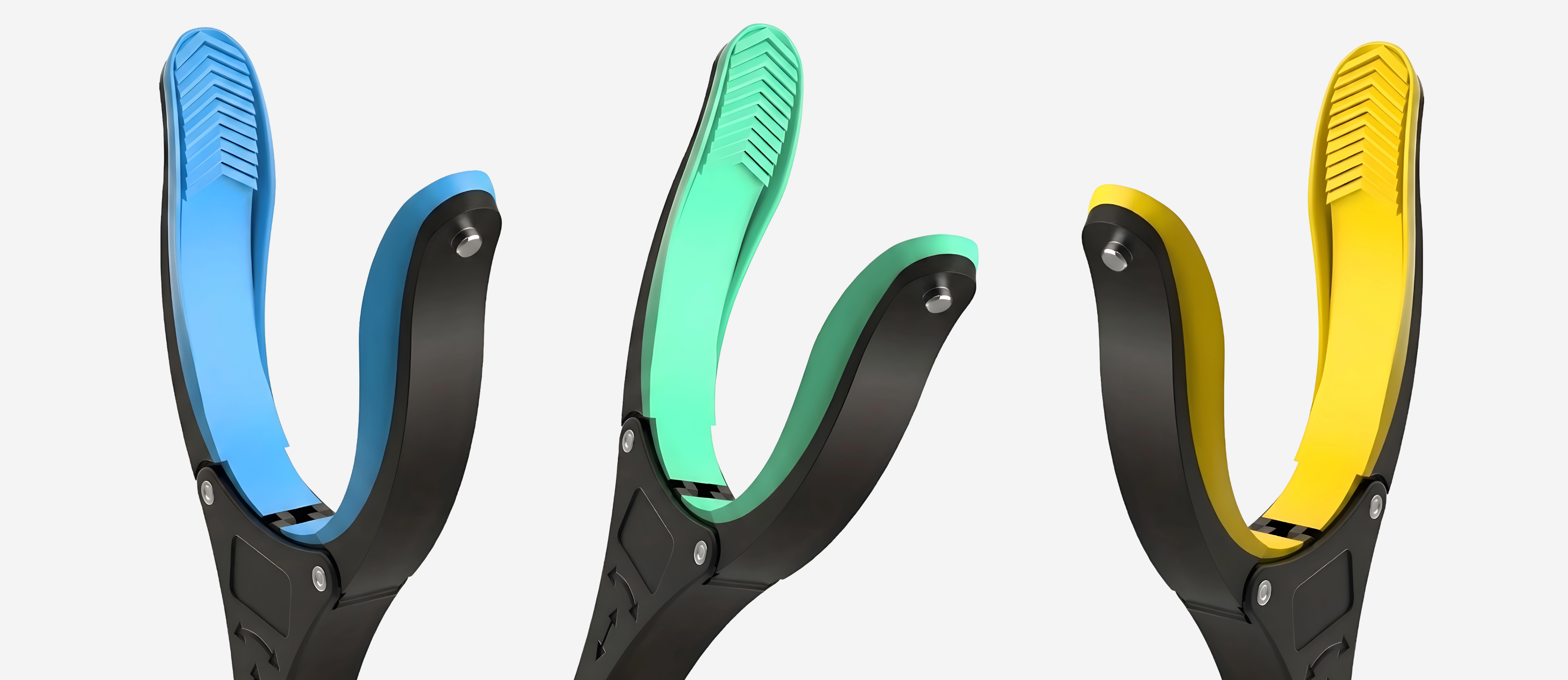
Ovarian cancer treatment typically combines major cytoreductive surgery (debulking) with platinum-taxane chemotherapy, each of which produces distinct functional limitations. Debulking surgery is often extensive -- producing major abdominal surgery recovery restrictions for 6 to 8 weeks. Taxane chemotherapy (paclitaxel, docetaxel) causes peripheral neuropathy -- particularly numbness, tingling, and weakness in the hands and feet -- that directly impairs kitchen grip and function. Together, the surgery recovery and the chemotherapy-induced peripheral neuropathy (CIPN) create a complex adaptive equipment profile.
Direct answer: The adaptive tools for ovarian cancer treatment address two separate phases. During surgery recovery: the reacher for no-bending restriction, the electric jar opener for no-heavy-lifting restriction. During chemotherapy with CIPN: the electric jar opener for grip weakness from peripheral neuropathy, non-slip mats for the sensory loss that makes grip unreliable. The 32-inch Reacher addresses the surgical recovery phase; the Electric Jar Opener addresses both phases.
Ovarian Cancer Treatment Phase Adaptive Equipment
| Treatment Phase | Primary Functional Limitation | Adaptive Tool Priority |
|---|---|---|
| Post-debulking surgery (weeks 1-8) | Abdominal surgery restrictions; no bending or heavy lifting | Reacher for floor and low access; electric jar opener; all heavy work assisted |
| Chemotherapy (cycles 1-6) | Fatigue; CIPN hand numbness and weakness beginning | Electric jar opener; energy conservation; non-slip mats; lightweight cookware |
| CIPN (during and after chemo) | Grip weakness; sensory loss in hands; dropping items | Electric jar opener; non-slip mats; built-up grip handles; reacher for dropped items |
| Maintenance or remission | Residual CIPN; fatigue; potential recurrence | Continue electric jar opener if CIPN persists; OT reassessment at 3 months post-treatment |
Browse the reacher collection and adaptive kitchen tools.


