

Reduced standing tolerance -- difficulty standing for extended periods -- is a common functional problem significantly affecting kitchen tasks, which traditionally require prolonged standing at counters, stoves, and sinks. Reduced standing tolerance results from many causes and conditions: lower extremity joint conditions (knee, hip, ankle, and foot arthritis -- standing loads the painful joints; and lower extremity injuries and surgery recovery), back and spine conditions (prolonged standing aggravates back pain; and spinal stenosis with neurogenic claudication -- standing provokes leg symptoms), circulation and vascular conditions (peripheral arterial disease, venous insufficiency, and leg swelling -- standing provokes leg symptoms), cardiac and respiratory conditions (heart failure and COPD -- standing and activity provoke breathlessness and fatigue), fatigue conditions (many conditions cause fatigue that reduces standing tolerance -- POTS/dysautonomia specifically causes standing intolerance), balance and neurological conditions (affecting safe standing), general weakness and deconditioning, and pregnancy. Kitchen tasks traditionally require prolonged standing, and reduced standing tolerance significantly affects the ability to complete kitchen tasks -- the person cannot stand long enough to prepare a full meal, and prolonged standing provokes pain, symptoms, or fatigue. The primary adaptation for reduced standing tolerance is seated kitchen preparation -- using a kitchen stool or perch to sit (or partially sit) while performing kitchen tasks, offloading the legs and reducing the standing burden. Alongside seated preparation, energy conservation, kitchen organization, and adaptive tools support kitchen function with reduced standing tolerance. This guide covers kitchen adaptation for reduced standing tolerance from any cause.
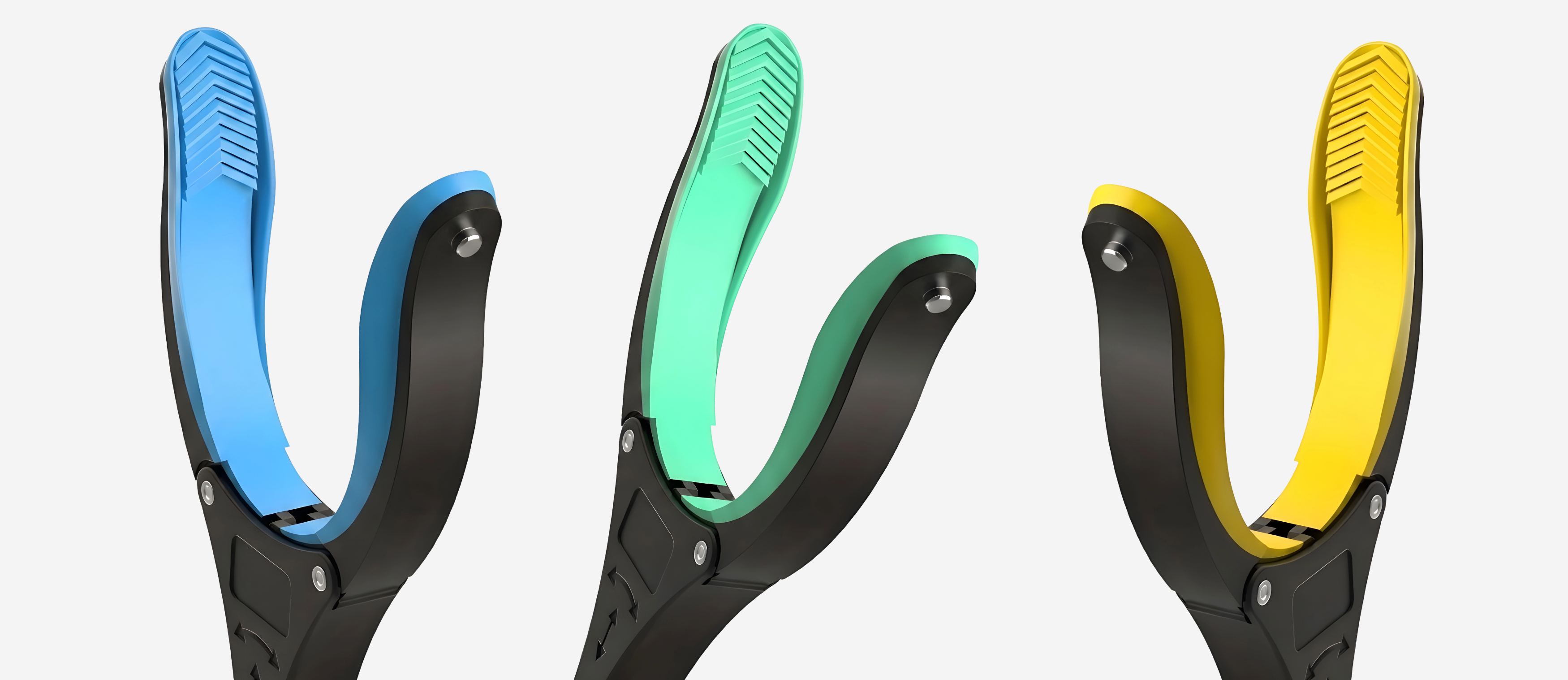
Direct answer: Reduced standing tolerance kitchen adaptation centers on seated kitchen preparation -- using a kitchen stool or perch to sit while working, offloading the legs and reducing the standing burden -- alongside energy conservation, accessible organization, and reachers. The GrabbersTool 32-inch Reacher supports seated kitchen function by retrieving items without standing, complementing kitchen seating as the primary reduced-standing-tolerance adaptation.
Reduced Standing Tolerance Kitchen Adaptive Strategy
| Standing Tolerance Challenge | Kitchen Impact | Adaptive Solution |
|---|---|---|
| Prolonged standing at kitchen work areas | Kitchen tasks traditionally require prolonged standing -- at counters for food preparation, at the stove for cooking, and at the sink for washing; reduced standing tolerance means the person cannot stand long enough to complete these tasks, and prolonged standing provokes pain (joint, back, or leg pain), symptoms (leg symptoms, breathlessness, or dizziness depending on the condition), or fatigue; the cumulative standing for a full meal preparation exceeds the reduced standing tolerance; the prolonged standing requirement of kitchen tasks is the fundamental challenge with reduced standing tolerance; standing at the stove and counter is a common point of difficulty | Seated kitchen preparation is the primary adaptation -- use a kitchen stool or perch at counter height to sit (or partially sit in a perch position) while performing kitchen tasks at counters, the stove, and the sink (offloading the legs and reducing the standing burden); a kitchen stool or perch allows the person to work seated; sit-stand stools and perches allow position changes; the seated preparation enables kitchen tasks without the prolonged standing that provokes symptoms; slow cooker and one-pot cooking to reduce active standing; the seated kitchen preparation is the key adaptation for reduced standing tolerance |
| Energy conservation and kitchen organization | Reduced standing tolerance is often accompanied by fatigue and reduced endurance (many of the conditions causing reduced standing tolerance also cause fatigue), and the standing itself is fatiguing -- limiting the overall kitchen activity; kitchen tasks that require moving around the kitchen (walking between work areas) add to the standing and mobility burden; the organization of the kitchen affects the standing and moving required; energy conservation and efficient kitchen organization reduce the standing, moving, and effort of kitchen tasks; the fatigue and endurance limitations compound the reduced standing tolerance | Energy conservation kitchen strategies (seated preparation; pace tasks with rest breaks; organize the kitchen to minimize standing and moving -- keep frequently used items within reach of the seated work position; batch cooking during better periods; simple meals); efficient kitchen organization (arrange the work area so tasks can be done from the seated position with items within reach, minimizing the need to stand and move); the energy conservation and organization reduce the standing, moving, and effort; the seated preparation combined with efficient organization enables kitchen tasks with reduced standing tolerance and fatigue |
| Reaching from seated position, comfort, and reduced standing tolerance support | When working seated (for reduced standing tolerance), reaching to items around the kitchen from the seated position can be challenging (items beyond the seated reach); comfort during seated kitchen work (appropriate seating, and for some conditions, leg elevation for swelling or specific positioning) affects the ability to work seated; the specific condition causing the reduced standing tolerance may have additional considerations (leg elevation for swelling and venous conditions; anti-fatigue mats for when standing is necessary; the specific symptom management); the combination of seated preparation, reaching support, and comfort supports kitchen function with reduced standing tolerance | Reacher grabber (GrabbersTool 32-inch) to retrieve items from the seated position without standing (extending the seated reach to items around the kitchen); appropriate comfortable kitchen seating (a stable stool or perch at the right height; with leg elevation where relevant for swelling or specific conditions); anti-fatigue mat for the times standing is necessary; the specific condition management (leg elevation for venous conditions and swelling; the relevant symptom management); the reacher, comfortable seating, and condition-specific measures support the seated kitchen function; occupational therapy for reduced standing tolerance kitchen assessment; the seated preparation, reaching support, and comfort measures support kitchen function with reduced standing tolerance |
See the 32-inch Reacher for reduced standing tolerance kitchen seated-reach support, alongside kitchen seating.


