

Rotator cuff tears are a common cause of shoulder pain and dysfunction, particularly in older adults (degenerative tears increase with age) and in those with occupational or athletic overhead use or shoulder injury. The rotator cuff is a group of four muscles and their tendons (supraspinatus, infraspinatus, teres minor, and subscapularis) that stabilize the glenohumeral joint and enable shoulder elevation and rotation; the supraspinatus is the most commonly torn (involved in initiating arm abduction). Rotator cuff tears range from partial-thickness to full-thickness tears, and from small to massive tears. Symptoms: shoulder pain (often worse at night and with overhead activity), weakness (particularly in arm elevation and abduction -- difficulty raising the arm; with large tears, the patient may be unable to actively lift the arm despite intact passive range -- pseudoparalysis), and loss of function for overhead and lifting tasks. Unlike frozen shoulder (which restricts both active and passive range), rotator cuff tears typically preserve passive range of motion (the shoulder can be moved fully by someone else) while active elevation is weak or lost. Treatment ranges from conservative (physical therapy, activity modification, injections) for many tears to surgical repair (arthroscopic or open rotator cuff repair) for appropriate tears -- with post-surgical recovery involving a period of sling immobilization and restricted arm use. Kitchen function is affected by shoulder weakness (difficulty raising the arm to reach cabinets and lift items overhead), pain (with reaching and lifting), and, after surgery, the immobilization and restricted-use recovery period.
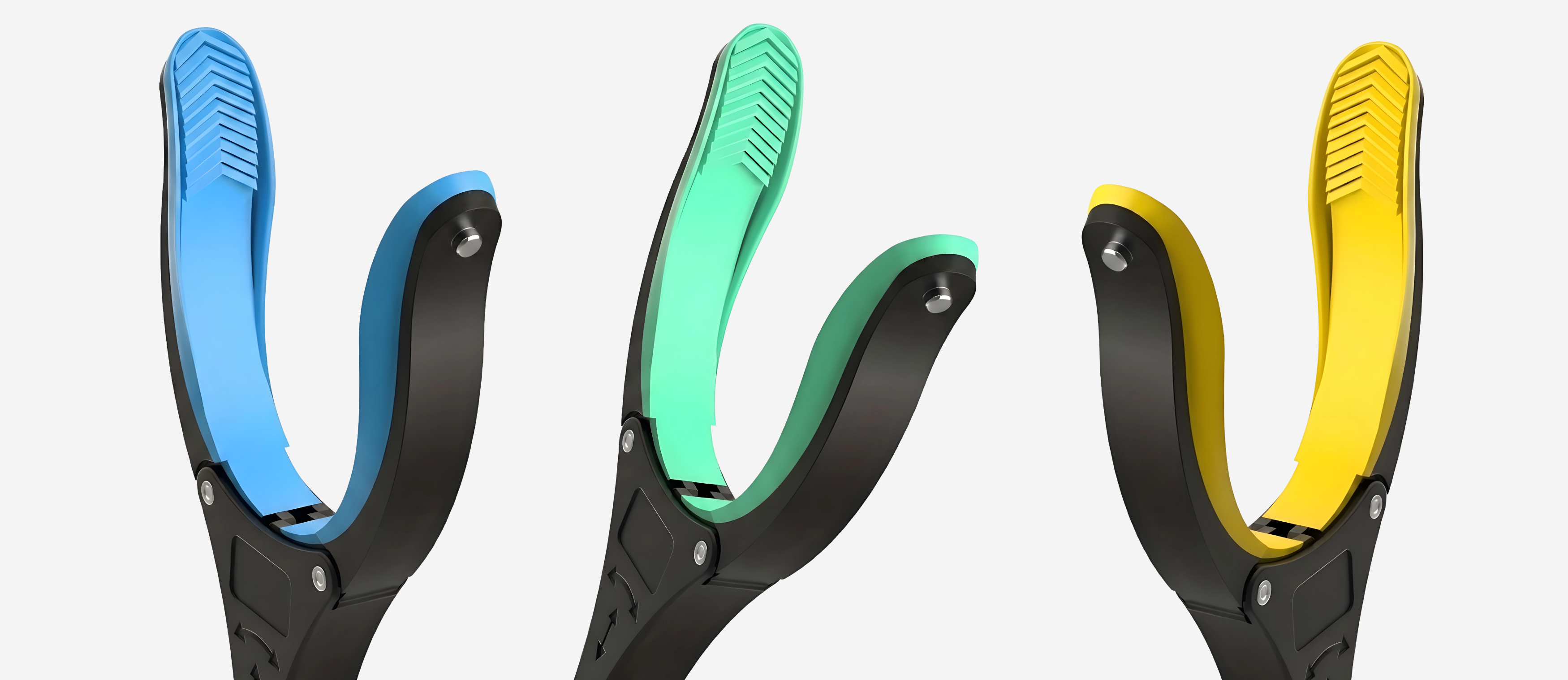
Direct answer: Rotator cuff tear kitchen adaptive tools address shoulder weakness and overhead reach limitation: reachers to retrieve items without arm elevation, lightweight tools, and (during surgical recovery) one-armed accommodations. The GrabbersTool 32-inch Reacher retrieves overhead and distant kitchen items without the arm elevation that a torn or repairing rotator cuff cannot perform.
Rotator Cuff Tear Kitchen Adaptive Strategy
| Rotator Cuff Situation | Kitchen Impact | Adaptive Solution |
|---|---|---|
| Shoulder weakness and overhead reach limitation (non-surgical tear) | Rotator cuff tear weakness impairs active arm elevation and abduction -- the patient has difficulty raising the affected arm to reach overhead kitchen cabinets and high shelves, and lifting items overhead is weak or impossible; with large tears, active arm elevation may be lost (pseudoparalysis) despite preserved passive range; overhead kitchen tasks are the most affected; lifting and carrying with the affected arm are weakened; the weakness limits the affected arm contribution to bilateral kitchen tasks; many people manage chronic rotator cuff tears conservatively with activity modification, avoiding the overhead and lifting tasks that provoke pain and are limited by weakness | Reacher grabber (GrabbersTool 32-inch) to retrieve overhead and high kitchen items without raising the weak affected arm -- the primary adaptation for rotator cuff overhead reach limitation; kitchen reorganization to move frequently used items to accessible counter-to-shoulder height (avoiding overhead reach); use the unaffected arm for reaching and lifting; lightweight kitchen tools to reduce affected-arm loading; avoid overhead and heavy-lifting kitchen tasks with the affected arm; physical therapy for rotator cuff strengthening (for repairable and conservatively managed tears) |
| Shoulder pain with kitchen reaching and lifting | Rotator cuff tear pain is provoked by overhead reaching, lifting, and often occurs at night -- kitchen tasks involving arm elevation and lifting provoke pain; the pain limits affected-arm use for kitchen tasks; night pain disrupts sleep, contributing to daytime fatigue; the pain and weakness together limit the affected arm; reaching into high cabinets, lifting pots, and carrying with the affected arm are painful; the impingement of reaching movements provokes pain in rotator cuff pathology | Reacher grabber to avoid painful overhead reaching movements; reduce affected-arm loading (lightweight tools, use the unaffected arm); avoid the overhead and lifting tasks that provoke rotator cuff pain; pain management (NSAIDs, subacromial corticosteroid injection per physician) reduces pain and can facilitate physical therapy; activity modification to avoid painful movements; physical therapy for pain reduction and strengthening; kitchen reorganization to eliminate painful reaching |
| Post-rotator cuff repair surgery kitchen recovery | After arthroscopic or open rotator cuff repair, recovery involves a period of sling immobilization (typically several weeks) to protect the repair, during which the affected arm cannot be actively used for kitchen tasks; passive range of motion is begun early, but active use and lifting are restricted for weeks to months to protect the healing repair (the repaired tendon must heal to bone); the affected arm is essentially non-functional for kitchen tasks during early recovery, requiring one-armed kitchen adaptation; overhead reaching and lifting are restricted for an extended period; full recovery takes months; the recovery timeline and restrictions are surgeon-specific | One-armed kitchen adaptation during rotator cuff repair sling immobilization (use the unaffected arm; adaptive tools for one-handed tasks -- electric jar opener, stabilizing cutting boards); reacher grabber for reaching tasks without the immobilized arm (used with the unaffected arm); avoid all lifting and overhead use of the repaired arm per surgeon restrictions; caregiver assistance for tasks requiring two arms during early recovery; gradual return to affected-arm kitchen use as the surgeon permits progressive activity; physical therapy is essential for rotator cuff repair recovery; the reacher and one-handed tools bridge the immobilization and restricted-use recovery period |
See the 32-inch Reacher for rotator cuff tear kitchen overhead reach and shoulder weakness support.


