

Rural and remote living with a mobility limitation is a distinct risk environment from urban or suburban living. The distance to emergency services, to a pharmacy, to an occupational therapist, and to a retail store that carries adaptive equipment is measured in hours rather than minutes. A fall that results in a 911 call may mean a 45-minute ambulance response rather than a 7-minute response. A jar that cannot be opened at 8 PM does not have a 5-minute Uber Eats solution. The independence value of adaptive tools is proportional to the distance from backup resources — and for rural residents, that distance is significant.
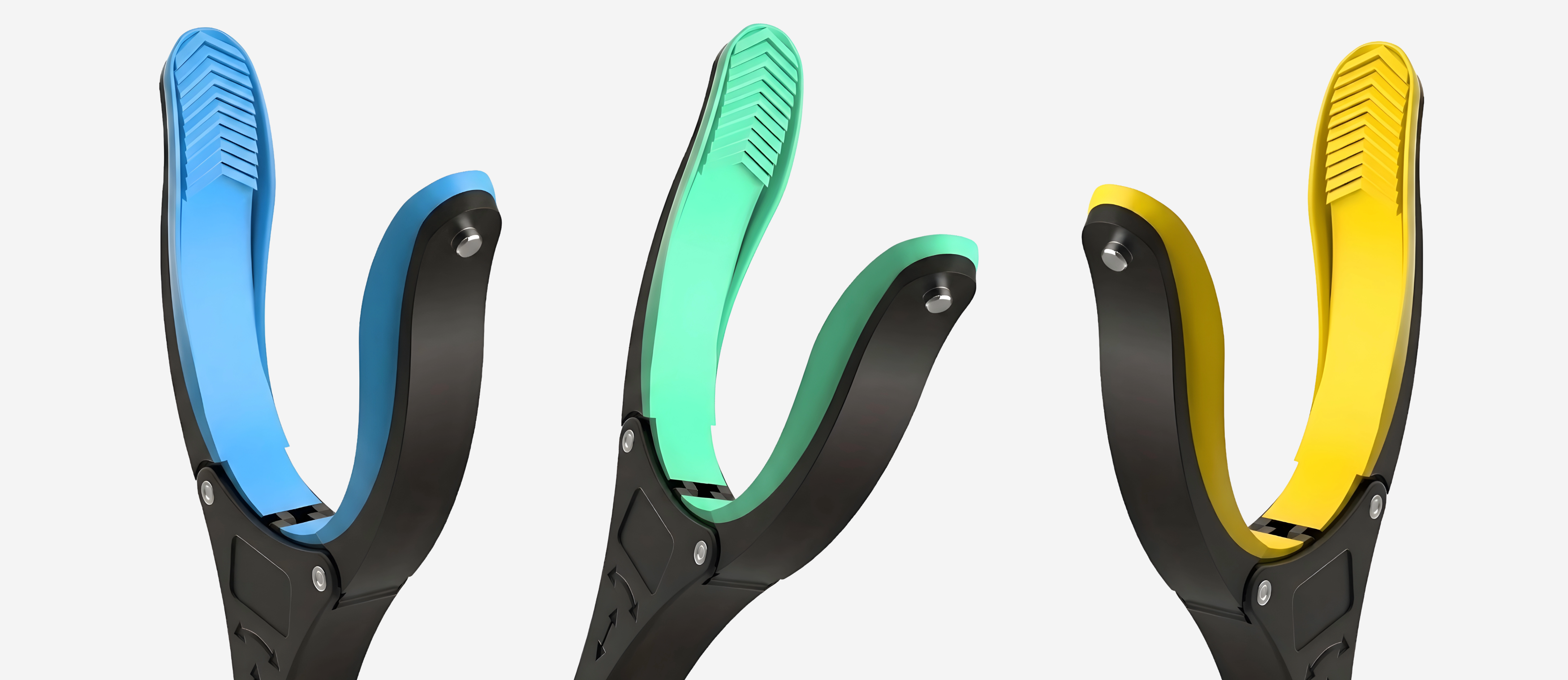
Direct answer: for rural residents with mobility limitations, the adaptive tool priority is higher than for urban residents with equivalent functional limitations because the consequence of task failure is higher: no nearby assistance, longer emergency response, and limited local retail options for replacement. The core toolkit — GrabbersTool Reacher Grabber, Electric Jar Opener, Electric Can Opener, 5-in-1 Multi-Opener, Standing Assist Tool, and Walking Cane with Cane Strap — should be purchased proactively, before they are urgently needed, and in some cases a spare should be kept for high-use tools like the reacher grabber.
The Rural Risk Profile
Rural residents face compounded independence challenges:
- Emergency response time: a fall that results in inability to get up independently may mean waiting considerably longer for professional assistance — the response time for rural emergency services averages significantly longer than urban equivalent
- Distance to healthcare: occupational therapy, physiotherapy, and specialist services may require long drives — telehealth has improved this but hands-on assessment remains limited at distance
- Retail and pharmacy access: a broken or worn adaptive tool cannot be replaced by a quick trip to the store — replacement requires online ordering and a multi-day wait
- Neighbor proximity: the neighbor who can be called for jar-opening assistance may be a quarter-mile away rather than next door — social fallback is reduced
- Outdoor hazard management: rural outdoor environments — uneven ground, long outdoor paths to vehicles, farm or garden settings — present higher fall-risk terrain than suburban environments
Proactive Procurement: The Rural Adaptive Equipment Strategy
Urban adaptive equipment strategy can be somewhat reactive: the person identifies a need, purchases a tool, receives it within one to two days. Rural strategy must be more proactive because the procurement window is longer and the consequences of being without the tool are higher. Adaptive tool acquisition for rural residents should be based on anticipated need (the condition is progressing, the recovery is expected) rather than urgent current need.
| Scenario | Urban Approach | Rural Adaptive Approach |
|---|---|---|
| Jar opening becoming difficult | Purchase when the problem is consistent | Purchase when the first difficulty appears — before it is consistent |
| Reacher grabber wearing out | Order replacement when jaw begins failing | Order replacement when jaw begins showing wear — before failure |
| Surgery scheduled in 3 weeks | Order 1 week before surgery | Order 3 weeks before surgery; confirm delivery before surgery date |
| Cane tip worn | Replace when traction fails | Keep spare tip; replace at first sign of wear |
GrabbersTool ships nationally and delivery timeframes to rural addresses are on the product pages. For time-sensitive purchases (pre-surgical preparation), confirming delivery timeline before the surgery date is recommended. Order reacher grabber | Order electric jar opener
Outdoor Rural Living: Specific Adaptive Tool Applications
Rural outdoor environments create specific adaptive tool use cases that urban living does not present:
- Garden and farm use: the 43" Reacher Grabber for ground-level garden tasks eliminates repetitive bending that accelerates lumbar and hip strain in outdoor workers with pre-existing conditions
- Vehicle access: large rural vehicles (trucks, tractors) require a step up that mobility-limited individuals manage with caution; a walking cane on the opposite side provides additional stability during this step
- Long outdoor paths: the distance from the house to the vehicle or mailbox may be significant; the walking cane is relevant on terrain that would not require it on a smooth urban sidewalk
Remote Caregiving for Rural Family Members
Family members who manage care for a rural parent or family member from a distance face the procurement challenge in a different form: they cannot drop by with an adaptive tool, and they cannot easily assess the home environment to identify what is needed. Coordinating an adaptive tool order — and ensuring it is set up correctly when it arrives — requires either a scheduled visit or coordination with a local contact who can assist with setup.
GrabbersTool products require no assembly or installation for most items (the standing assist tool attaches to furniture following the included instructions) and arrive with instructions that allow setup without professional assistance.
See also: Adaptive Tools for Solo Living: When You Live Alone With a Mobility Limitation and Caregiver Scheduling and Communication: Coordinating Support for a Mobility-Limited Family Member.
Browse the full GrabbersTool range at Reacher Grabber Tools, Easy Grip Kitchen Openers, and Ergonomic Mobility.


