

Shoulder instability (glenohumeral instability) occurs when the ligamentous and capsular structures that hold the humeral head in the glenoid fossa provide insufficient restraint, allowing subluxation or dislocation. Anterior instability (the most common direction) is worsened by external rotation with abduction -- the throwing position, but also the position reached during high-shelf access, behind-the-back reaches, and overhead activities with the arm in certain positions. Recurrent dislocators develop apprehension -- protective muscle guarding and avoidance of positions that previously caused dislocation -- that limits function beyond the instability itself. Post-surgical stabilization (Bankart repair, Latarjet procedure) requires a period of shoulder immobilization and restricted motion before function is restored.
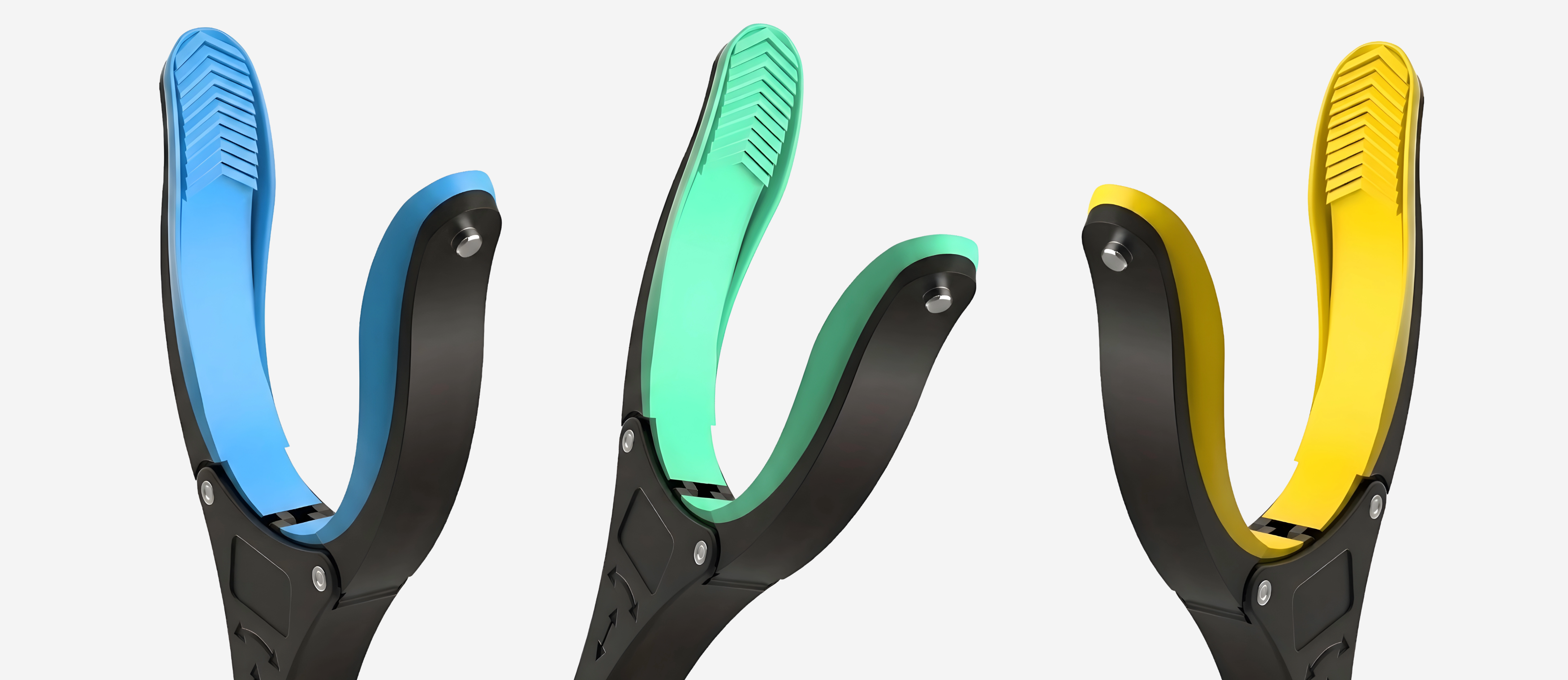
Direct answer: The adaptive tools most useful for shoulder instability address the apprehension and avoidance that instability creates around overhead and external-rotation kitchen activities. The electric jar opener eliminates the combined external rotation and loading of jar opening, which places the shoulder in a position that many instability patients find provocative. The reacher accesses overhead shelves without the arm-abduction-external-rotation combination that destabilizes the anterior glenohumeral joint. The GrabbersTool Electric Jar Opener and 32-inch Reacher together address the two main kitchen provocative positions.
Shoulder Instability Kitchen Adaptive Priorities
| Provocative Position | Kitchen Task | Adaptive Modification |
|---|---|---|
| Abduction-external rotation (anterior instability) | Jar opening; reaching to high shelf; reaching behind body; throwing motion during mixing | Electric jar opener (neutral shoulder position); reacher for overhead (arm forward, not abducted) |
| Overhead with load | High-shelf retrieval while abducted; carrying heavy items overhead | Reacher for overhead; reorganize kitchen to waist-height storage; no overhead carrying |
| Behind-body reach (reaching into back of fridge) | Refrigerator rear-shelf access requires behind-body extension that stresses posterior instability | Reacher to maintain neutral shoulder position; reorganize fridge to front-shelf storage |
Post-surgical stabilization recovery follows a strict protocol with progressive range and strengthening -- adaptive tools are typically needed for the sling phase (4-6 weeks) and the restricted-range phase (weeks 6-16). Browse the adaptive kitchen tools and Electric Jar Opener.


