

Spastic diplegia is the most common subtype of cerebral palsy (CP), characterized by bilateral lower extremity spasticity with relatively spared upper extremities (upper extremities involved to a lesser degree than lower extremities, distinguishing diplegia from spastic quadriplegia). It results from periventricular white matter injury (periventricular leukomalacia, PVL) most commonly from prematurity. The pyramidal tract injury causes spasticity (velocity-dependent increase in muscle tone), with the adductors, hamstrings, and gastrocnemius-soleus (calf) most severely affected -- producing the characteristic scissor gait (hip adduction and internal rotation, knee flexion, and equinus foot position). Adults with spastic diplegia have lived with CP their entire lives and have typically developed comprehensive adaptive strategies. However, adult CP brings additional challenges: progressive musculoskeletal complications (hip subluxation or dislocation, scoliosis, knee and hip OA from altered biomechanics, and contractures), fatigue from inefficient gait increasing with age, and premature aging (adults with CP are biologically older than their chronological age). Kitchen function in spastic diplegia adults is primarily limited by: gait and mobility affecting kitchen access and standing tolerance; lower extremity spasticity affecting kitchen-floor stability; and upper extremity involvement if present (spastic diplegia upper extremities are relatively preserved but fine motor tasks may still be affected).
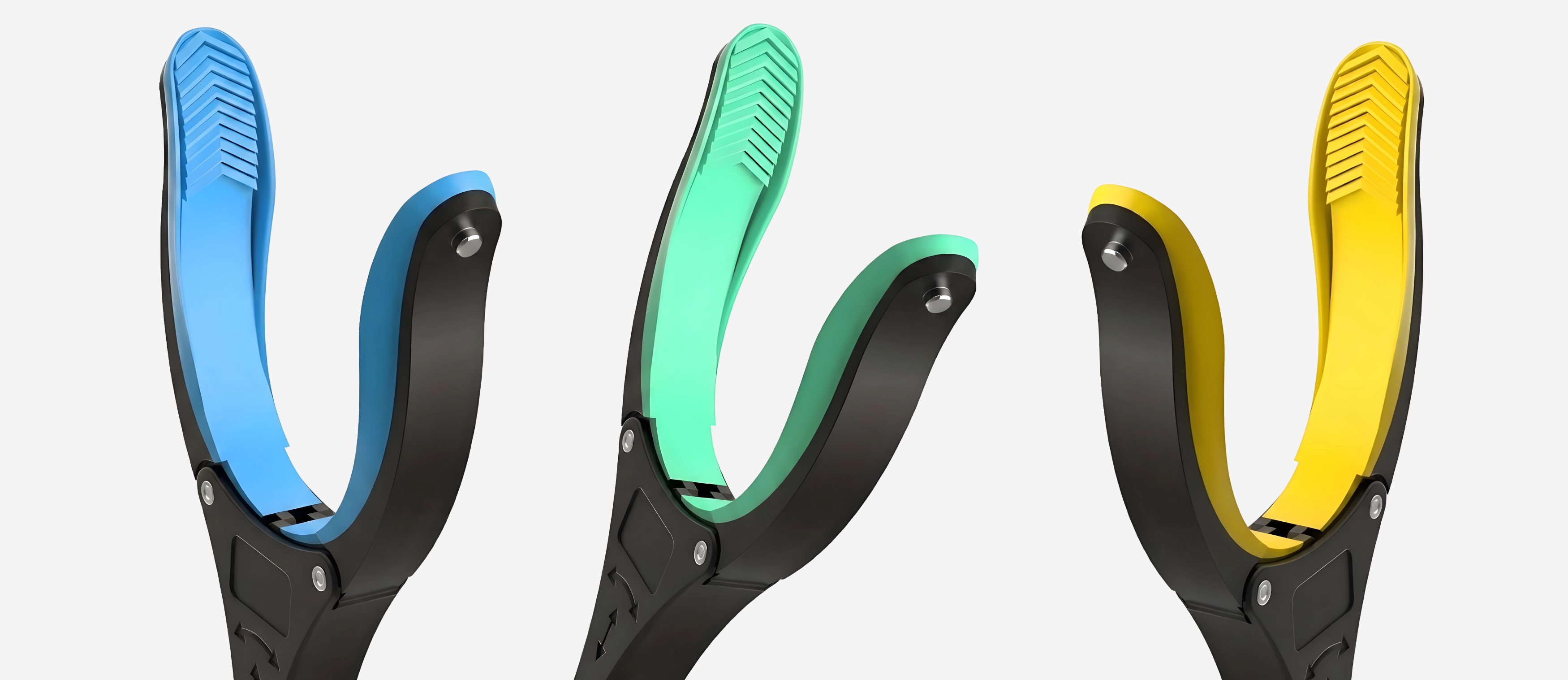
Direct answer: Spastic diplegia adult kitchen adaptive tools address mobility and standing limitations (kitchen seating, stable work surfaces) and any upper extremity fine motor involvement (electric opener, reacher). The GrabbersTool 32-inch Reacher compensates for CP adult mobility limitations affecting low and high kitchen reach.
Spastic Diplegia Adult Kitchen Adaptive Strategy
| Spastic Diplegia Feature | Kitchen Impact | Adaptive Solution |
|---|---|---|
| Gait impairment and kitchen mobility in spastic diplegia adults | Scissor gait from spastic hip adductors and equinus foot from spastic gastrocnemius creates unstable, narrow-base gait in the kitchen; kitchen floor surfaces affect spastic diplegia gait safety (smooth tile is more dangerous than textured surfaces for equinus gait); prolonged kitchen standing exhausts CP adults rapidly due to increased energy cost of spastic gait and standing; kitchen navigation around tight spaces between counters and appliances may be difficult with scissor gait or assistive devices (walker, crutches, AFOs); CP adults who were ambulatory in young adulthood may experience declining ambulatory function in their 30s-40s due to musculoskeletal aging and fatigue | Non-slip kitchen floor surface for spastic diplegia equinus gait instability; perch-height kitchen stool for sit-stand kitchen work reducing prolonged standing burden; kitchen organization to minimize navigation distance (keep all frequently used items within a small kitchen zone accessible without extensive walking); walker or kitchen countertop use for stabilization while in the kitchen; reacher grabber (GrabbersTool) to avoid bending or high reaching that requires balance challenge for spastic diplegia adults |
| Progressive musculoskeletal complications in CP adults | Adult CP brings progressive musculoskeletal pain and deterioration that is not present in childhood: hip OA from decades of abnormal joint loading in hip dysplasia, hip subluxation, and CP gait; knee OA from equinus-compensated crouch gait; scoliosis-related back pain from asymmetric trunk loading during spastic gait; pain was historically underrecognized in CP adults and is now recognized as the most common CP adult complaint; contracture progression worsens over decades in untreated adult CP (botulinum toxin, baclofen, stretching); pain during kitchen standing and mobility increases with age in spastic diplegia adults; hip or knee arthroplasty in CP adults is technically possible but outcomes are variable | Anti-fatigue kitchen mat and kitchen seating for CP adult hip and knee OA pain during kitchen standing; pain management consultation for CP adult musculoskeletal pain (multimodal: baclofen for spasticity; physical therapy; orthopedic evaluation; pain medicine); OT reassessment for CP adults when adaptive strategies developed in young adulthood no longer suffice as musculoskeletal aging progresses; reacher grabber to reduce bending and reaching that strains painful CP adult hips |
| Upper extremity fine motor involvement in spastic diplegia | Despite being called diplegia (bilateral lower extremity predominant), many spastic diplegia adults have subtle upper extremity involvement: reduced fine motor dexterity, grip strength asymmetry, tremor, or coordination deficits; these affect kitchen jar opening, knife use, and fine kitchen tasks; visual-perceptual deficits common in CP from periventricular white matter injury can affect kitchen task organization and depth perception; fatigue from gait affects upper extremity kitchen use (central fatigue from inefficient locomotion reduces available energy for kitchen arm tasks) | Electric jar opener (GrabbersTool) for spastic diplegia upper extremity fine motor deficits in jar opening; weighted kitchen utensils for CP adult tremor; large-handle kitchen tools for grip dexterity limitations; occupational therapist for CP adult upper extremity kitchen function evaluation (often valuable as CP adults age and upper extremity demands increase while lower extremity mobility decreases); adapted cutting boards (suction-cup base) for one-handed or fine-motor-limited cutting |
See the adaptive kitchen tools collection for cerebral palsy adults kitchen independence support.


