

Spasticity is a velocity-dependent increase in tonic stretch reflexes caused by upper motor neuron (UMN) lesions -- that is, damage to the descending motor pathways from the cortex through the spinal cord (the corticospinal or pyramidal tract). Spasticity is not the same as rigidity (which is velocity-independent and seen in Parkinson disease and basal ganglia disorders). Common causes of UMN spasticity relevant to kitchen function include stroke (hemiparetic spasticity), multiple sclerosis (spastic paraparesis), spinal cord injury (spastic tetraplegia or paraplegia below the lesion), cerebral palsy (spastic diplegia, hemiplegia, or quadriplegia), and traumatic brain injury. The characteristic spastic pattern in the arm is: shoulder adduction and internal rotation, elbow flexion, forearm pronation, wrist flexion, finger flexion (clenched fist), and thumb-in-palm. This posture -- the spastic arm posture -- makes standard kitchen grip tasks (which require supination, wrist extension, and finger extension around objects) the most severely limited kitchen movement category in spastic hemiplegia. The fist-closed spastic hand cannot grip a jar lid, the forearm-pronated arm cannot open a jar; the elbow-flexed arm has reduced reach arc.
Direct answer: Spasticity kitchen adaptive tools must work with the spastic limb posture rather than against it. The electric jar opener is the most important spastic arm kitchen tool: it requires no forearm supination, no wrist extension, and no finger extension against spastic flexion patterns -- it works with the limb at rest or supported. The GrabbersTool Electric Jar Opener is recommended for all UMN spasticity conditions affecting the arm.
Spastic Limb Pattern and Kitchen Adaptive Tool Strategy
| Spastic Pattern | Kitchen Impact | Adaptive Solution |
|---|---|---|
| Spastic arm flexor synergy (stroke, SCI, TBI, CP hemiplegia) | Shoulder internally rotated and adducted, elbow flexed, forearm pronated, wrist and fingers flexed -- the arm is brought toward the body in a flexed pattern; manual jar opening requires the opposite: shoulder abducted, elbow extended, forearm supinated, wrist extended, fingers extended and wrapped around lid; spastic arm pattern makes manual jar opening completely impossible in full synergy | Electric jar opener (GrabbersTool) -- jar placed in device with non-spastic hand; device rotates lid without any arm supination or finger extension required from spastic side; can be operated completely one-handed; the single most impactful spastic arm kitchen tool |
| Spastic thumb-in-palm (adductor spasm) | Thumb held tightly in the palm by spastic adductor pollicis prevents all cylindrical and lateral pinch grip; cannot hold spoon, fork, jar, or utensil handle with spastic hand; pinch and grip completely absent on spastic side | Electric jar opener (no thumb-in-palm grip required on spastic side); one-handed kitchen techniques; thumb splint or botulinum toxin injection to thumb adductors may partially improve function; all kitchen grip is performed with non-spastic side |
| Spastic leg scissor gait (spastic diplegia, spastic paraplegia) | Hip adductor and internal rotator spasticity causes scissor gait pattern; narrow base of support; increased fall risk in kitchen; reduced walking tolerance in kitchen due to energy cost of spastic gait | Walker for kitchen mobility; anti-slip flooring; wide clear kitchen path to accommodate scissor gait; reacher for floor items (reduced bending with spastic leg patterns); seated kitchen option for longer cooking |
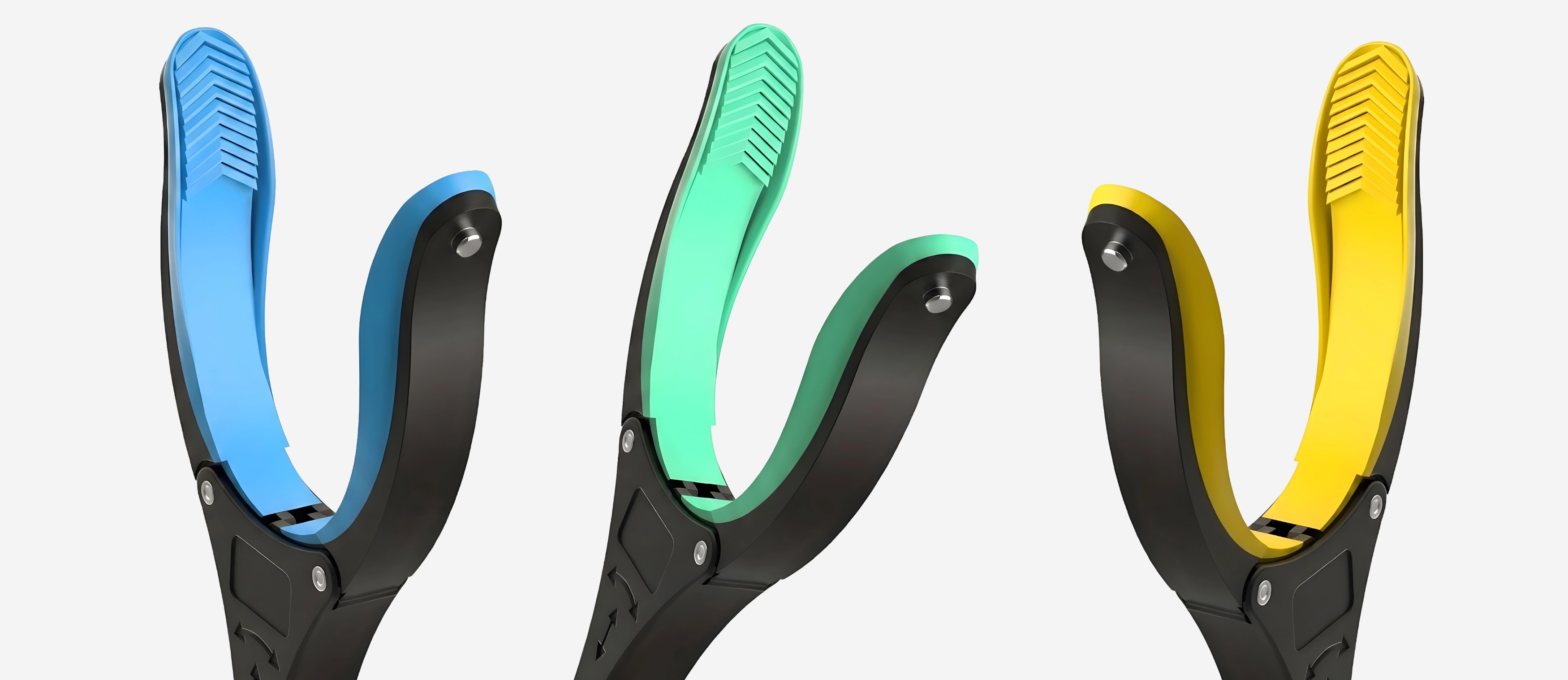
See the Electric Jar Opener and 32-inch Reacher for spasticity kitchen adaptive independence.


