

Complete spinal cord injury (ASIA A -- no motor or sensory function below the level of injury) produces functional deficits that are determined entirely by the injury level. The key functional levels for upper limb and kitchen independence are: cervical injuries (tetraplegia -- affected arms and legs; the higher the level, the more arm function is lost), and thoracic and lumbar injuries (paraplegia -- preserved arm function, affected trunk and legs). Cervical injury kitchen independence ranges from C4 (ventilator-dependent, very limited arm function) to C7-C8 (often achieves independent kitchen function with adaptive equipment and setup). Paraplegic individuals (thoracic and below) have fully preserved upper limb function and can often achieve full kitchen independence from a wheelchair with appropriate kitchen adaptations and reach aids. The specific tool needs therefore differ fundamentally between tetraplegia (upper limb involvement) and paraplegia (arms fully functional).
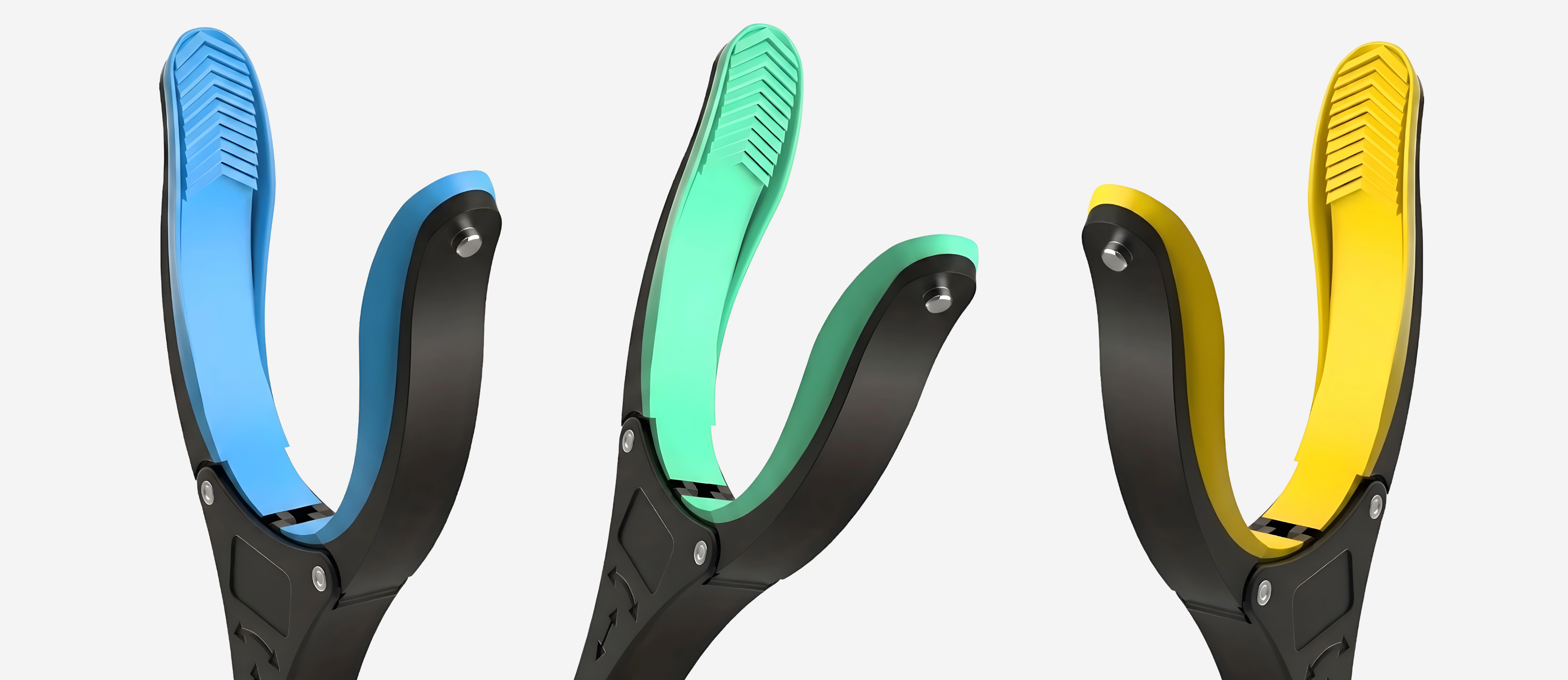
Direct answer: For paraplegic individuals (thoracic and below), the primary kitchen adaptation is wheelchair accessibility -- counter height, reach radius, and floor-level retrieval from a seated position. The 43-inch reacher addresses floor reach from a wheelchair. For tetraplegic individuals, the tool needs depend critically on the injury level: C6-C7 tetraplegia benefits from the electric jar opener because these individuals typically have some grip function but limited hand strength; higher cervical levels may require powered environmental control systems rather than standard manual tools. The GrabbersTool 43-inch Reacher and Electric Jar Opener address the key needs for paraplegia and mid-cervical tetraplegia.
SCI Level and Kitchen Independence Profile
| SCI Level | Arm Function | Kitchen Independence and Adaptive Tool Need |
|---|---|---|
| C4 and above (tetraplegia) | No voluntary arm function or very limited shoulder shrug only; ventilator-dependent at C3-C4 | No independent kitchen function; full attendant care for all food preparation; environmental control systems for powered mobility and appliance control |
| C5 tetraplegia | Shoulder and elbow flexion present; no wrist extension or hand function; can operate mobile arm support | Very limited kitchen independence; mobile arm support (MAS) may allow some tabletop tasks; no lifting; electric jar opener with MAS positioning; attendant for most kitchen tasks |
| C6-C7 tetraplegia | Wrist extension present (C6); some hand grasp via tenodesis; C7 adds triceps and finger extension; limited grip strength | Partial kitchen independence with adaptations; electric jar opener addresses grip limitation; long handled utensils; tenodesis splints; 43-inch reacher for floor access; most complex cooking requires assistance |
| Paraplegia (T1 and below) | Full arm function; seated in wheelchair; trunk stability varies by level | Full arm function enables kitchen independence with wheelchair access; 43-inch reacher for floor retrieval from wheelchair; kitchen counter adapted to wheelchair height; electric jar opener for convenience; full independence possible |
Compare the 43-inch Reacher and the Electric Jar Opener for SCI kitchen independence planning.


