

Spinal cord injuries are classified using the American Spinal Injury Association (ASIA) Impairment Scale (AIS): AIS A (complete -- no motor or sensory function below the injury level), AIS B (incomplete -- sensory preserved below the level, no motor function), AIS C (incomplete -- motor function preserved below the level, most key muscles grade under 3/5), and AIS D (incomplete -- motor function preserved below the level, most key muscles grade 3/5 or above). AIS E is normal. Incomplete injuries (AIS B, C, D) by definition preserve some function below the injury level, and the clinical presentation is highly variable depending on which spinal cord tracts are injured and which are spared. Incomplete injury patterns include central cord syndrome (upper extremity worse than lower extremity -- common in older adults with cervical stenosis), anterior cord syndrome (motor loss with sensory sparing -- rare but seen in vascular injury), and Brown-Sequard syndrome (ipsilateral motor and contralateral pain/temperature loss from hemisection). AIS D patients may be ambulatory with assistive devices; AIS B patients typically require wheelchair mobility. Kitchen adaptive tool needs vary dramatically by ASIA grade and injury pattern.
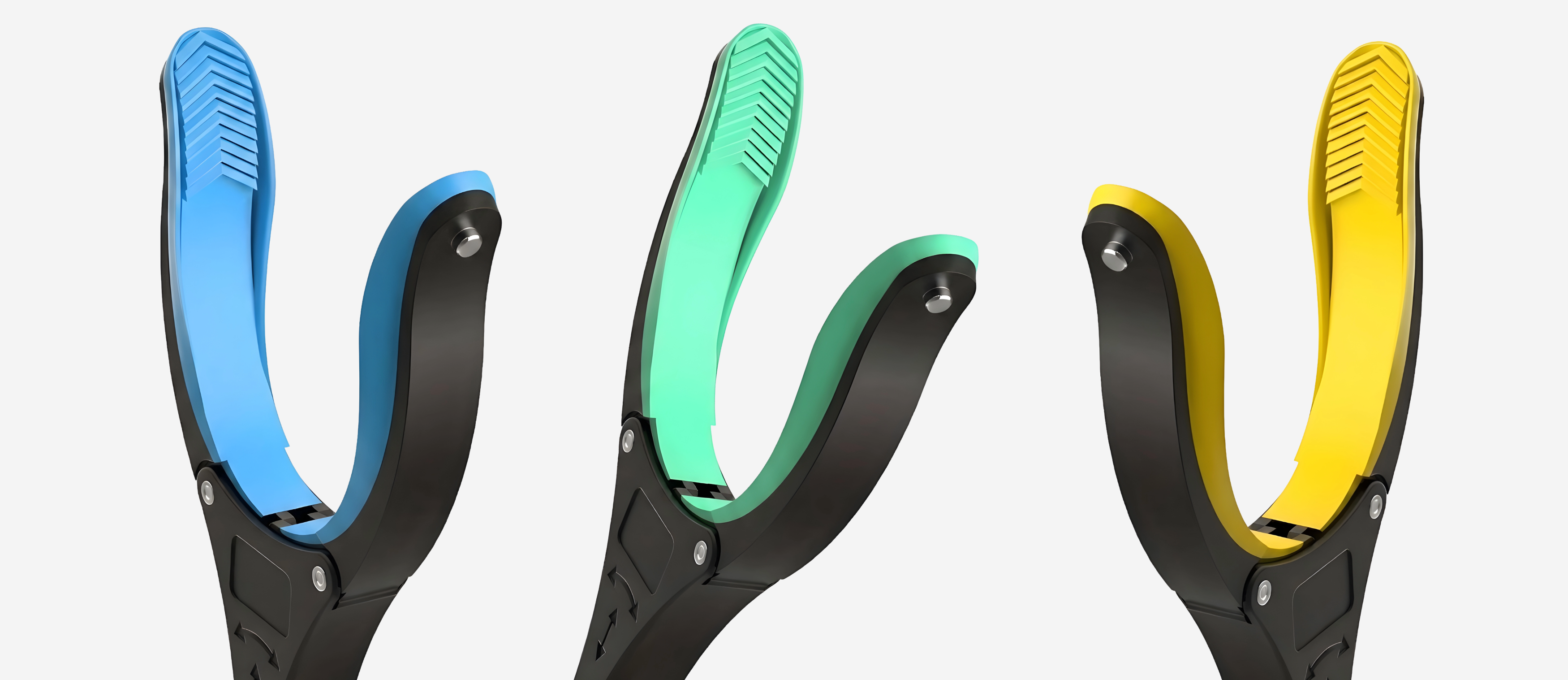
Direct answer: Incomplete SCI adaptive kitchen tools must be matched to the specific functional profile: AIS D patients may need only grip aids (central cord syndrome classically affects hand function more than ambulation), while AIS B and C patients may require the full suite of wheelchair-accessible kitchen adaptations. The electric jar opener is particularly valuable in central cord syndrome, where hand weakness is the dominant limitation. The 43-inch reacher is the appropriate choice for AIS B and C patients using wheelchairs. The GrabbersTool Electric Jar Opener and 43-inch Reacher cover the key tool needs.
Incomplete SCI Pattern and Adaptive Kitchen Tool Priority
| SCI Pattern | Dominant Kitchen Limitation | Adaptive Tool Priority |
|---|---|---|
| AIS D (ambulatory, ASIA D) | Variable; often weakness and balance limitation; often ambulatory with assistive device; grip may be affected | 32-inch reacher for balance support during bending; electric jar opener if hand weakness present; lightweight cookware; safety grip bars |
| Central cord syndrome | Upper extremity worse than lower; hand and grip weakness more severe than leg weakness; many patients ambulatory but hands limited | Electric jar opener essential (hand weakness is dominant); built-up grip utensils; seated cooking if lower limb also affected |
| AIS B-C (wheelchair-dependent) | Wheelchair mobility; floor and overhead reach from seated position; upper limb strength may be partially preserved | 43-inch reacher for wheelchair-level floor and counter reach; electric jar opener; wheelchair-height kitchen adaptation; all items accessible from seated position |
| Brown-Sequard syndrome | One-sided motor loss; opposite-sided pain and temperature loss; asymmetric limitation; often ambulatory | One-handed kitchen strategy on stronger side; 32-inch reacher; electric jar opener for bilateral tasks the weak hand cannot contribute to |
Browse the reacher collection and compare the 32-inch and 43-inch options for your SCI classification.


