

Syringomyelia is a disorder in which a fluid-filled cyst (syrinx) forms within the spinal cord itself. The syrinx expands over time, compressing and damaging the spinal cord from within. The most common cause is Chiari malformation (in which brain tissue extends into the spinal canal), but syringomyelia can also follow spinal cord injury, inflammation, or tumor. The location and extent of the syrinx determines the pattern of neurological deficit. A cervical syrinx typically produces a characteristic cape-like distribution of sensory loss (pain and temperature sensation lost in the arms and upper trunk), progressive arm and hand weakness, and later leg weakness as the syrinx expands. Sensory loss affects safety during kitchen tasks -- heat and pain signals from the hands are diminished, creating burn and cut injury risk that adaptive tools can partially address.
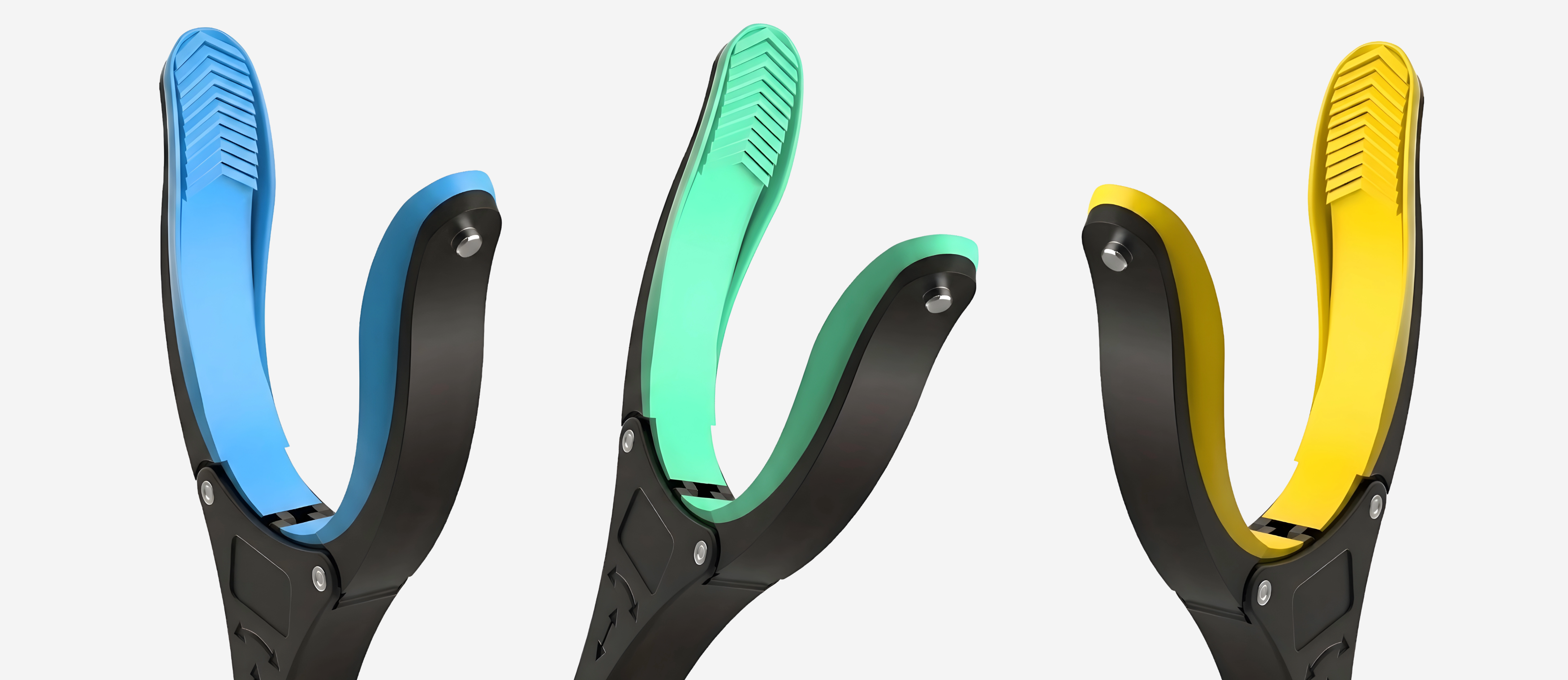
Direct answer: The adaptive tools most relevant for syringomyelia address both motor weakness and sensory deficit. The electric jar opener compensates for the hand and forearm weakness that cervical syrinx produces. The reacher reduces the need for reaching movements that may be limited by shoulder and arm weakness. Non-slip mats are particularly important because the reduced grip force and sensory loss combination means items are at higher risk of dropping. The GrabbersTool Electric Jar Opener addresses the grip-weakness component; the 32-inch Reacher addresses the reach-limitation component.
Syringomyelia Functional Deficits and Kitchen Adaptive Solutions
| Syrinx Effect | Kitchen Risk | Adaptive Solution |
|---|---|---|
| Hand and forearm weakness | Cannot grip or open jars; drops cookware; reduced cutting control | Electric jar opener; lightweight cookware; built-up grip utensils |
| Pain and temperature sensory loss | Cannot feel heat; burn risk from stovetop, oven, hot liquids | Oven mitts extended; induction cooktop (surface stays cool); non-contact thermometer for liquids |
| Shoulder and arm movement limitation | Reduced overhead reach; difficulty with high-cabinet access | Reacher for high and low access; reorganize kitchen to mid-level storage |
| Reduced grip feedback (proprioception loss) | Items slip from hand without awareness; glassware breakage | Non-slip mats; covered cups; plastic rather than glass where possible |
Syringomyelia symptoms progress at variable rates, and adaptive tool needs should be reassessed periodically as the neurological picture changes. Browse the reacher collection and adaptive kitchen tools.


