

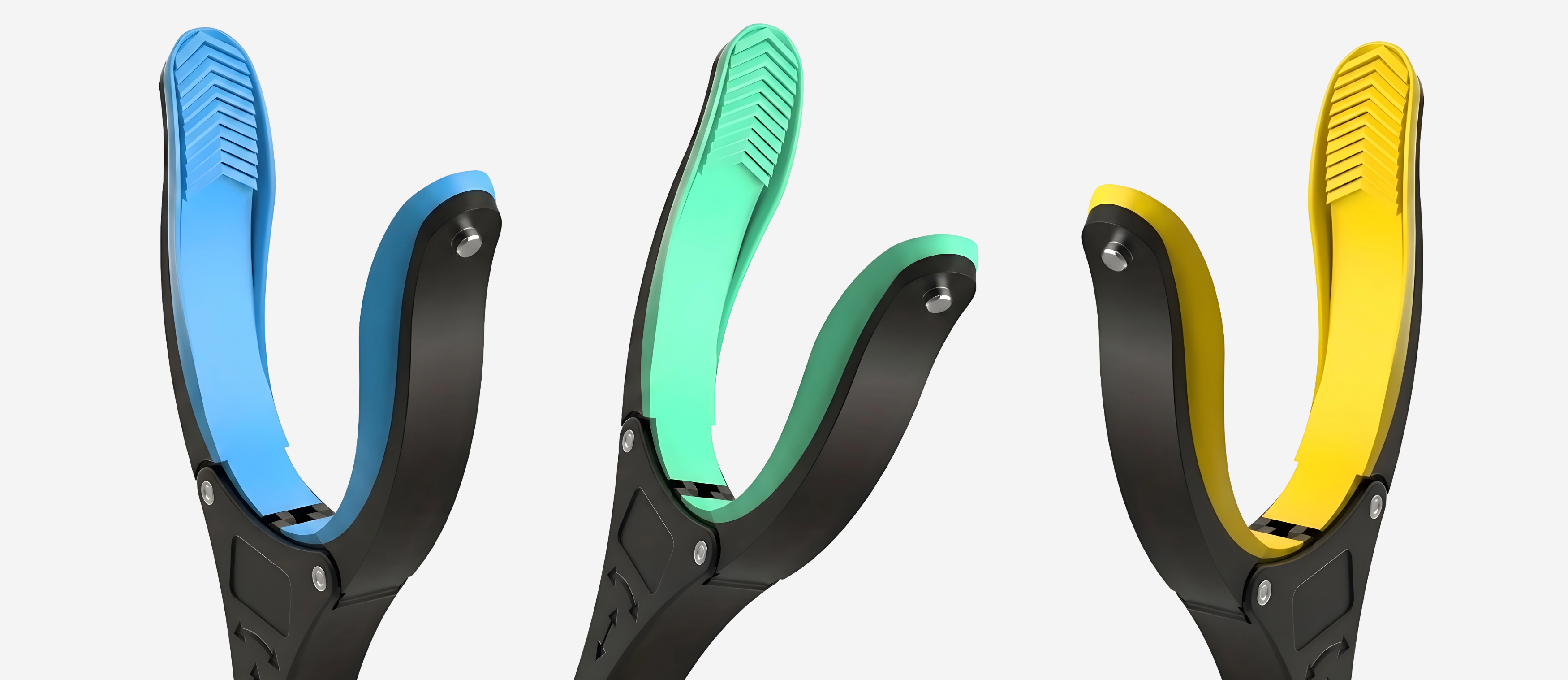
Voice-controlled smart home technology — Amazon Alexa, Google Home, Apple HomeKit — has created significant accessibility improvements for people with mobility and grip limitations: lights that turn on without reaching a switch, thermostats adjusted without getting up, shopping ordered without going to a store. This technology is genuinely useful, and it addresses a specific category of home accessibility challenge — environmental control. What it does not address is the physical object handling that remains exclusively in the domain of physical adaptive tools: picking up a dropped object, opening a jar, rising from a chair. Smart home technology and physical adaptive tools are not competing solutions — they address different problem categories and are more useful together than either is alone.
Direct answer: smart home technology handles environmental control (lights, temperature, locks, appliances) and remote communication (calling, ordering, reminders). Physical adaptive tools handle object manipulation (reaching, gripping, opening, transferring). A complete home independence setup uses both categories: smart speakers and connected devices for environmental control; the GrabbersTool Reacher Grabber, Electric Jar Opener, and Standing Assist Tool for object manipulation and mobility support. Neither category substitutes for the other.
What Smart Home Technology Addresses
Voice-controlled and connected home technology is most useful for:
- Lighting control: turning lights on and off without reaching switches — particularly relevant for nighttime mobility when switches are not reachable from the bed path
- Thermostat management: adjusting temperature without getting up — relevant for fatigue and mobility conditions where conserving chair-rise transfers matters
- Appliance control: starting the coffee maker, turning off the stove (with connected appliances), setting timers
- Communication: calling family members, calling emergency contacts, ordering groceries or medications for delivery
- Information access: weather, reminders, medication reminders — supports cognitive scheduling for conditions affecting memory
- Door locks: connected locks that unlock without requiring a physical key turn — useful for reduced grip function
What Physical Adaptive Tools Address
Physical adaptive tools address the object-manipulation domain that smart technology cannot:
- Object retrieval: picking up a dropped phone, medication, or utensil — no voice command retrieves a physical object from the floor
- Container opening: opening jars, cans, bottles — smart technology cannot open a jar
- Physical transfers: getting up from a chair or bed — voice assistants cannot help a person stand
- Reaching: accessing items from high or low locations — smart technology cannot move physical objects
- Ambulation support: balance and gait support during walking — technology cannot provide physical balance assistance
The Integration Opportunity
| Daily Need | Smart Home Solution | Physical Adaptive Tool |
|---|---|---|
| Night bathroom trip | Motion-activated nightlights (or voice-on lights) | Walking Cane with Cane Strap at bedside |
| Morning kitchen access | Smart coffee maker started by voice command | Electric Jar Opener for breakfast jars |
| Dropped phone | Voice call to family from smart speaker | Reacher Grabber to retrieve the dropped phone |
| Emergency | Voice-activated emergency call (Alexa guard, etc.) | Standing Assist Tool to get up safely without emergency |
| Grocery ordering | Voice-ordered grocery delivery | Reacher Grabber for putting delivered items in accessible storage |
GrabbersTool physical adaptive tools are designed to work independently of any technology platform — they do not require internet connectivity, power, or a charged battery (standard reacher and multi-opener are entirely mechanical). The electric jar and can openers require batteries or charging, which is on the product pages. View electric jar opener power specifications
Voice Assistants and Medication Reminders
For conditions involving cognitive effects — dementia, post-stroke cognitive changes, medication-intensive treatments — voice-activated medication reminders (Alexa routine, Google Assistant reminders) provide a useful cognitive support layer. The reminder does not open the medication container; the 5-in-1 Multi-Opener addresses the container access after the reminder has prompted the person to take the medication. Technology and physical tools serve sequential steps in the same task.
The Setup Investment: Prioritizing by Impact
Both smart home technology and physical adaptive tools require an initial investment. For most mobility-limited households, the return on physical adaptive tools is higher and faster: a reacher grabber provides immediate benefit on the first use day; a smart speaker requires setup, learning, and consistent use to realize its full benefit. For first-purchase priority, physical adaptive tools for object manipulation and mobility (reacher, electric opener, standing assist) address the highest-frequency daily challenges before investing in smart home connectivity.
See also: Dementia and Daily Living: Simplifying Home Tasks for Cognitive Safety and Aging in Place: The Adaptive Tool Strategy That Actually Works.
Browse Reacher Grabber Tools, Easy Grip Kitchen Openers, and Ergonomic Mobility.


