

Thoracic outlet syndrome (TOS) is compression of the neurovascular structures (brachial plexus nerves, subclavian artery or vein) as they pass between the collarbone and first rib through the thoracic outlet. The three types (neurogenic, vascular, venous) produce different predominant symptoms, but the common daily function limitation is arm elevation: raising the arm above shoulder level or sustaining the arm in elevated positions causes or worsens pain, numbness, tingling, or vascular symptoms. For kitchen function, this primarily affects overhead cabinet access, reaching into high shelves, and any sustained overhead work.
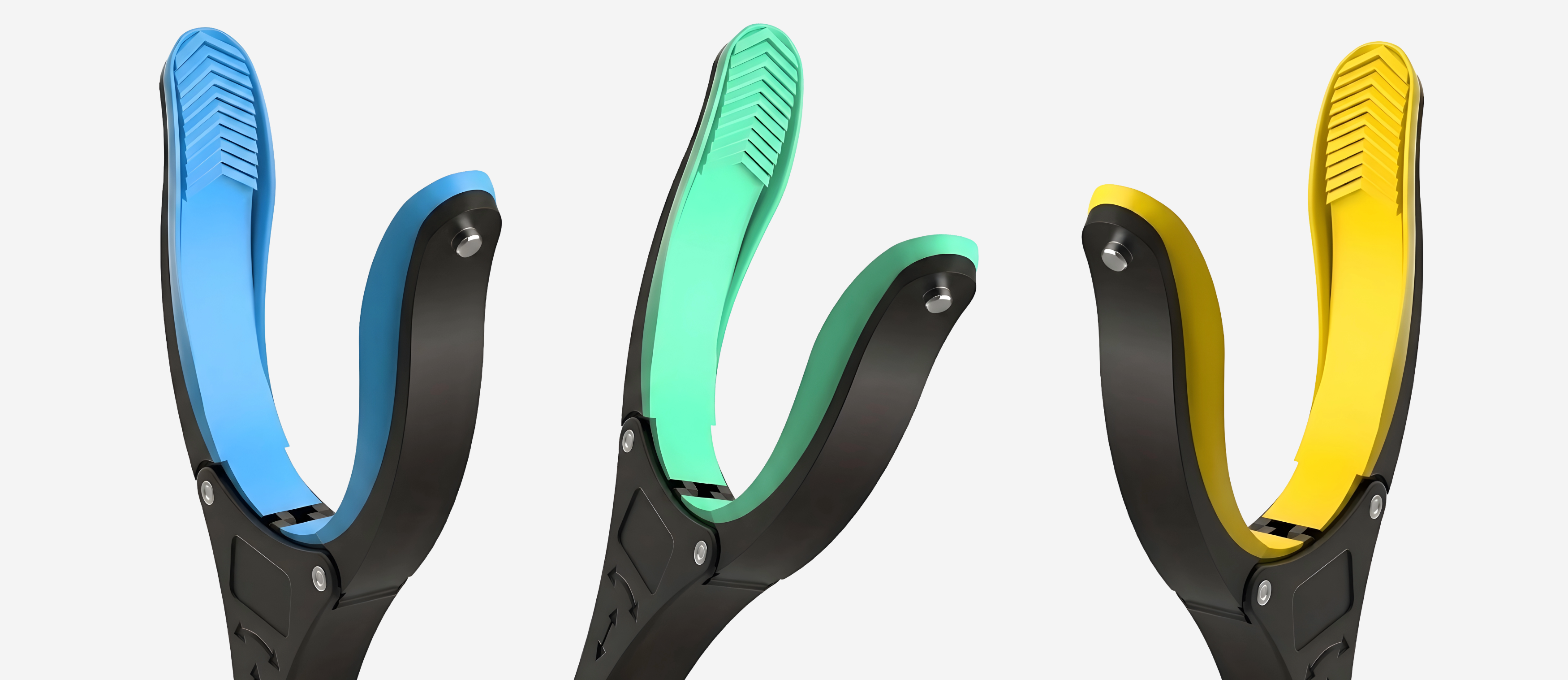
Direct answer: The adaptive tools for TOS focus on eliminating arm elevation: reorganize the kitchen so that no daily-use items are stored above shoulder height (eliminating overhead reach requirements), use a reacher to access high shelves when necessary without full arm elevation, and avoid sustained overhead arm positions (painting, overhead cabinet organization) during flare periods. The GrabbersTool Reacher can extend reach upward while the shoulder remains in a less elevated position -- partially compensating for limited overhead arm elevation.
TOS Kitchen Adaptive Strategy
| TOS Limitation | Adaptive Strategy |
|---|---|
| Cannot raise arm above shoulder | Reorganize kitchen so daily items are at counter or mid-cabinet height; use reacher for exceptions |
| Sustained overhead work causes symptoms | Avoid sustained overhead tasks; use reacher for quick overhead retrieval without sustained elevation |
| Arm weight provokes symptoms | Use table, counter, or armrest to support arm weight during kitchen tasks; avoid hanging arm at side |
| Carrying heavy items aggravates | Lighter loads; rolling cart to reduce carrying; do not carry on affected side |
The GrabbersTool 32-inch Reacher allows retrieval of items from high shelves with the shoulder at a lower elevation than reaching by hand would require. Browse the full reacher collection.


