

Visual impairment ranges from low vision (significant vision loss not correctable with glasses but with some usable vision) to total blindness. Causes of vision loss affecting kitchen function include: age-related macular degeneration (AMD -- central vision loss, the leading cause of vision loss in older adults, affecting the detailed central vision needed for reading labels and fine tasks); glaucoma (peripheral vision loss progressing to tunnel vision); diabetic retinopathy (patchy and progressive vision loss); cataracts (blurred vision, correctable with surgery); retinitis pigmentosa (progressive peripheral then central loss); and total blindness from various causes. The functional impact depends on the type of vision loss (central vs. peripheral vs. total), the degree, and whether it is stable or progressive. Kitchen function is significantly affected by vision loss because the kitchen involves many visually demanding and safety-critical tasks: reading labels, recipes, and appliance controls; measuring ingredients; identifying foods and containers; monitoring cooking (judging doneness, seeing boiling); using sharp implements safely; managing hot surfaces and liquids safely; and navigating the kitchen environment. Kitchen adaptation for visual impairment centers on: maximizing usable vision (lighting, contrast, magnification for low vision); tactile and auditory substitution (tactile markings, talking devices, and non-visual techniques for blind users); consistent organization (knowing where everything is); and safety systems. Occupational therapy and vision rehabilitation specialists (including orientation and mobility and vision rehabilitation therapists) are central to developing visually impaired kitchen independence.
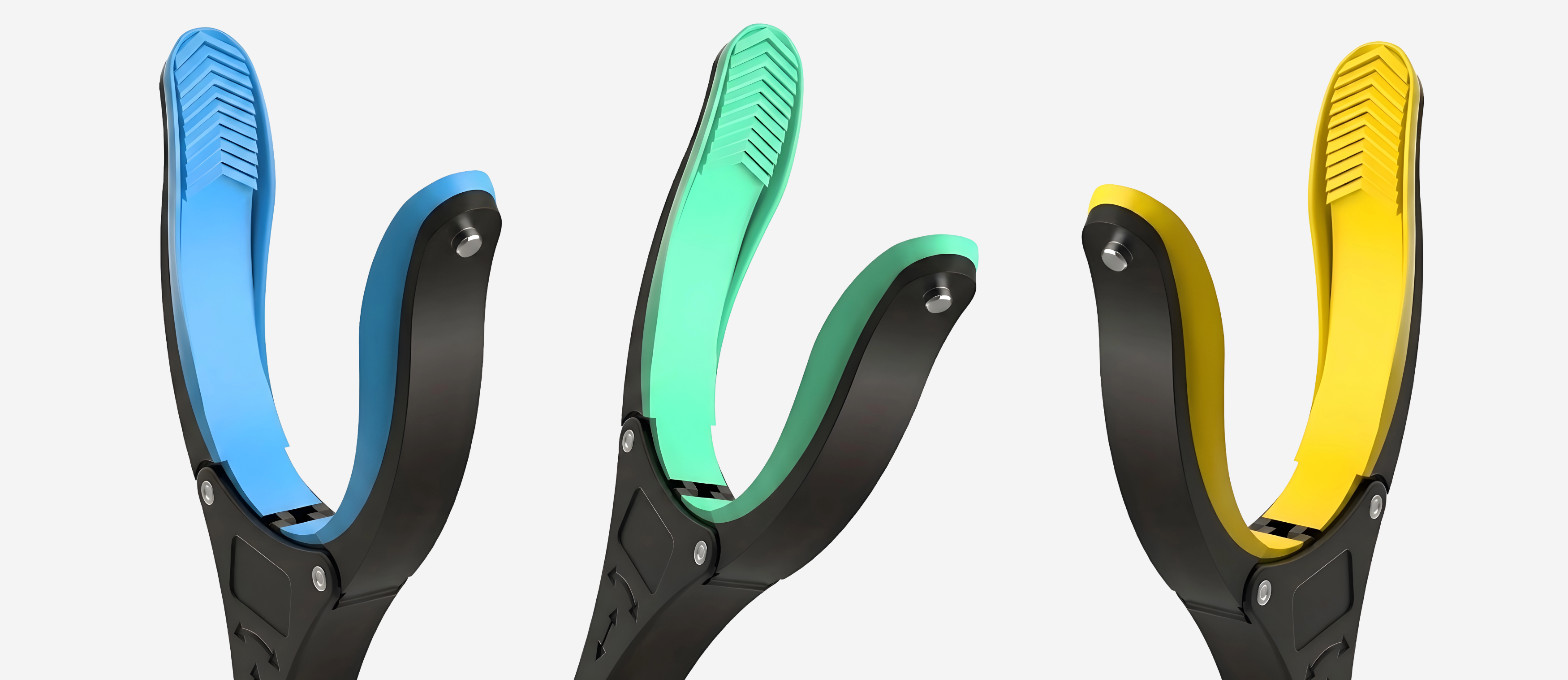
Direct answer: Visual impairment kitchen adaptive strategies center on lighting and contrast for low vision, tactile markings and organization for blind users, and consistent safety systems. Reachers help visually impaired users retrieve items safely without groping into cabinets, and consistent kitchen organization is paramount. The GrabbersTool reacher collection supports safe item retrieval, complementing the tactile, contrast, and organizational adaptations central to visually impaired kitchen function.
Visual Impairment Kitchen Adaptive Strategy
| Vision Consideration | Kitchen Impact | Adaptive Solution |
|---|---|---|
| Maximizing usable vision for low vision kitchen tasks | Low vision users (with some usable vision) can perform many kitchen tasks by maximizing their remaining vision -- but poor lighting, low contrast, glare, and small print significantly impair their function; reading recipes, labels, measuring markings, and appliance controls is difficult with low vision; identifying similar-looking foods and containers is challenging; central vision loss (AMD) particularly affects detailed tasks; the kitchen is often inadequately lit and full of low-contrast tasks (measuring clear liquids, seeing food on similar-colored surfaces); glare from kitchen lighting and surfaces worsens low vision function | Maximize lighting for low vision (bright, even, glare-free task lighting over kitchen work surfaces); high contrast in the kitchen (dark cutting board for light foods and light board for dark foods; contrasting colors for counters, dishes, and food; contrasting tape on appliance controls and counter edges); magnification (handheld or stand magnifiers for reading labels and recipes; large-print or high-contrast measuring tools); large-print and tactile-marked kitchen tools and appliance controls; reduce glare (matte surfaces, adjustable lighting); vision rehabilitation therapist for low vision kitchen assessment and adaptive strategies |
| Tactile and auditory substitution for blind kitchen function | Blind users (and low vision users for some tasks) rely on tactile, auditory, and other non-visual techniques for kitchen tasks -- they cannot use vision to read, measure, identify items, monitor cooking, or navigate; kitchen tasks must be accomplished through touch, hearing, smell, and systematic technique; identifying foods, containers, and appliance settings requires tactile or auditory labeling; measuring requires tactile or talking measuring tools; monitoring cooking requires non-visual cues (sound, smell, timing, and tactile checking); safety with sharp implements and hot surfaces requires careful non-visual technique | Tactile markings on the kitchen (raised bump dots or tactile labels on appliance controls to mark settings; tactile or braille labels on containers and spices; rubber bands or tactile markers to identify similar items); talking kitchen devices (talking scales, talking measuring cups, talking thermometers, talking timers); consistent organization (every item in a known, consistent location -- fundamental for blind kitchen function); non-visual techniques for measuring, cutting (guiding the knife with a guarded technique), and cooking; liquid level indicators (devices that beep when a cup is nearly full); orientation and mobility and vision rehabilitation training for non-visual kitchen technique |
| Organization, safety, and consistent systems for visually impaired kitchens | Consistent organization is paramount for both low vision and blind kitchen users -- knowing exactly where every item, tool, and ingredient is located enables function without vision; disorganization or items moved out of place cause difficulty and safety risks; kitchen safety is a major concern with vision loss: burns from unseen hot surfaces and liquids, cuts from sharp implements, and injuries from unseen hazards; retrieving items from cabinets without clearly seeing them risks knocking things over or contact with hazards; navigating the kitchen safely requires consistent, obstacle-free layout | Rigorous consistent kitchen organization (every item in a fixed, known location -- return items to the same place every time); systematic safety techniques (careful hot surface and liquid management, guarded knife techniques, awareness of stove and oven status); tactile and auditory appliance feedback; reacher grabber to safely retrieve items from cabinets and shelves without groping and knocking things over (the reacher extends reach with tactile feedback through the tool); keep the kitchen floor and pathways clear of obstacles; induction cooktops (cooler surfaces, reduced burn risk); vision rehabilitation and occupational therapy for comprehensive visually impaired kitchen safety and organization systems |
See the reacher grabber collection for visually impaired kitchen safe item retrieval support.


